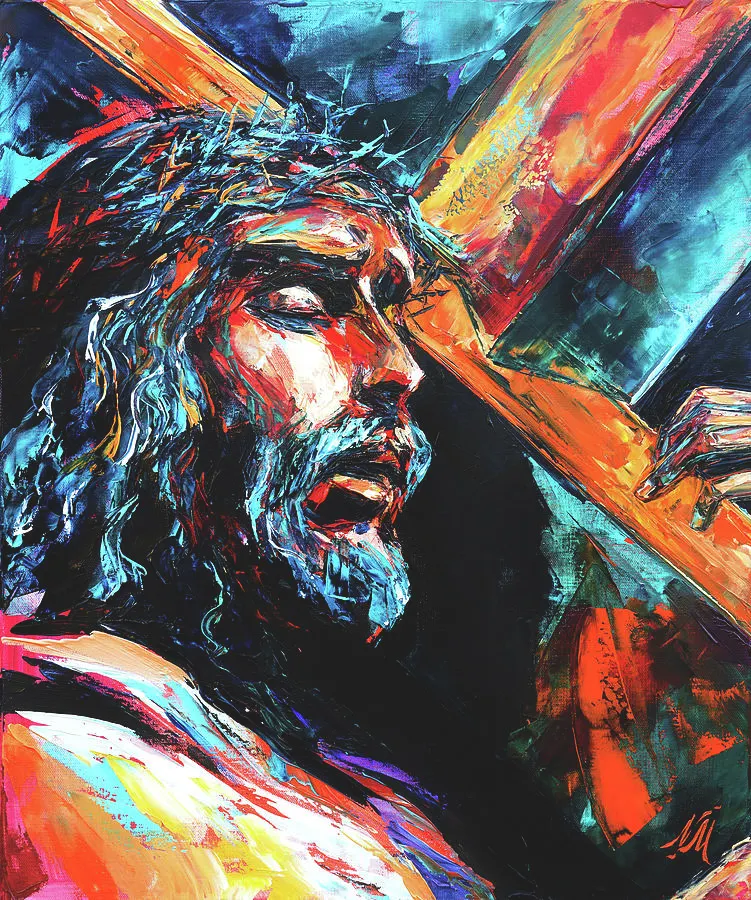
The Man History Tried Hiding From Us
Faith, Fire, and the Fight That Helped Ignite a Nation.

John Brown is one of the most controversial and misunderstood figures in American history. While many historical accounts focus on presidents, generals, and lawmakers, Brown’s story often feels overlooked or simplified. His actions, beliefs, and ultimate sacrifice played a significant role in shaping the nation’s path toward ending slavery. Understanding John Brown means facing a version of history that is intense, uncomfortable, and hard to ignore.
Get Andrew Goffins’s stories in your inbox
Join Medium for free to get updates from this writer.
Born in the 1800s, tensions over slavery rose across the United States, especially in new territories, as people debated whether to allow it. Brown became deeply involved in the conflict known as Bleeding Kansas. This period was marked by violent clashes between pro-slavery and anti-slavery settlers. Brown’s actions showed that he was ready to fight, not just talk, against injustice.

One of the most debated moments of Brown’s life was the Pottawatomie incident, where he and his followers killed several pro-slavery men. To his supporters, this was an act of resistance against a brutal system. To his critics, it represented dangerous extremism. This moment helped shape Brown’s reputation as both a freedom fighter and a radical.

Brown believed that slavery would never end without a major uprising. This belief led him to plan his most famous act: the raid on the federal armory at Harpers Ferry raid in 1859. His goal was to seize weapons and ignite a large-scale slave rebellion that would spread throughout the South. It was a bold and risky plan that reflected his deep commitment to ending slavery at any cost.

The raid, however, failed. Brown and his small group were quickly surrounded by local forces and U.S. troops. Soldiers led by Robert E. Lee eventually captured him. Although the rebellion he hoped for did not occur, the raid’s impact was immediate and powerful nationwide.

After his capture, Brown faced trial for treason and other charges. Throughout the trial, he remained calm and firm in his beliefs. He used the courtroom as a platform to speak against slavery and showed no regret for his actions. His words and courage earned him respect from many in the North, even from those who did not completely agree with his methods.
In 1859, John Brown was executed by hanging. His death marked the end of his life but not the end of his influence. For many, he became a symbol of sacrifice and moral conviction. His willingness to die for his beliefs made him a powerful figure in the growing movement against slavery.
Brown’s actions deepened the divide between the North and the South. His raid increased fear among slaveholders and strengthened the belief that conflict was unavoidable. Many historians see his actions as key events that pushed the country closer to the American Civil War. In this way, his impact extended far beyond his lifetime.

Today, John Brown’s legacy is complex. Some see him as a hero who stood against injustice when others did not. Others view him as someone who went too far with violence. Regardless of perspective, his story challenges us to think about morality, courage, and the cost of fighting for what is right. John Brown may not always occupy a central place in history books, but his influence is impossible to ignore.