Ransomware: When Encryption Becomes a Weapon
Inside the mechanics of encryption, extortion, and what you can do about it.
“In the world of cybersecurity, knowledge of how encryption can be turned against you is as crucial as knowing how it protects you.”
Ransomware has become one of the most formidable threats in today’s digital landscape. Attackers exploit the very cryptographic tools we rely on for privacy-using them not to protect, but to lock us out of our own data and demand payment for its return.
But how does ransomware actually use cryptography? Grasping this process is key to both demystifying the threat and strengthening your defenses.

How Ransomware Gain Access To Systems
Infection and Initial Access
A ransomware attack often starts with a single misstep:
- Opening a malicious email attachment
- Falling victim to an unpatched software vulnerability
- Exposing remote access services (like RDP) to brute-force attacks
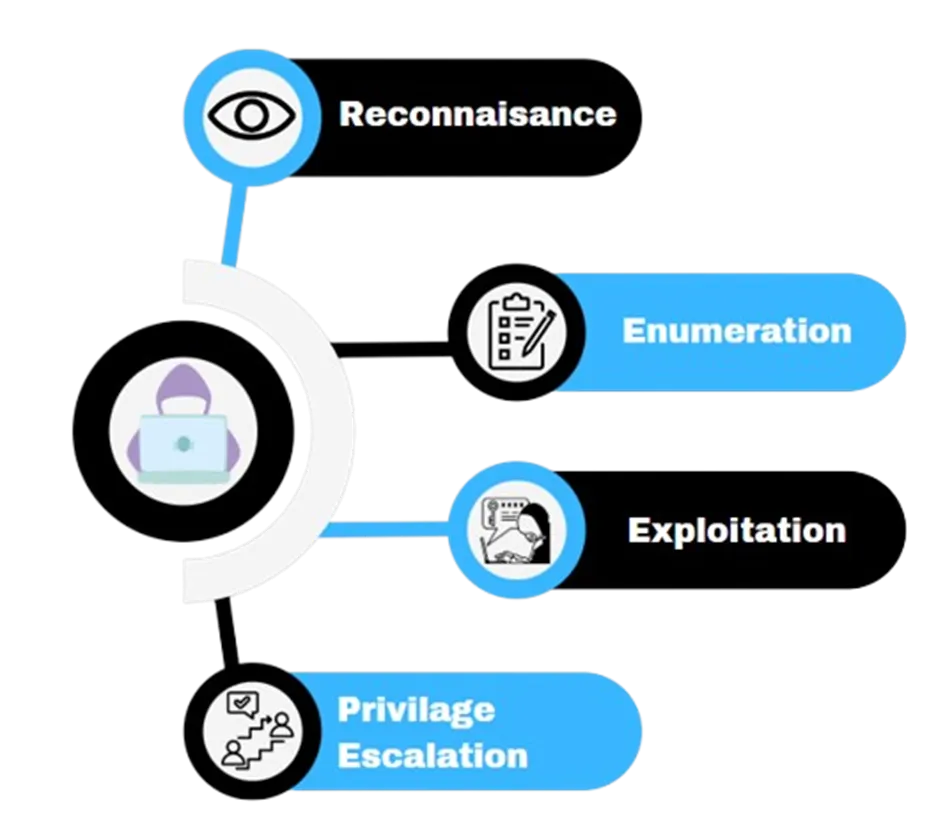
Once inside, the ransomware escalates privileges, disables security tools, and prepares to encrypt as much data as possible.
Ransom Note and Extortion
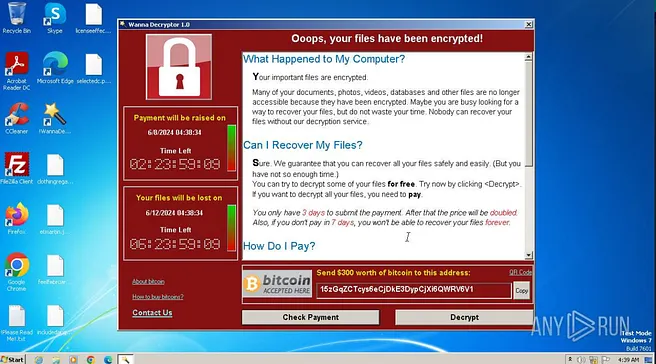
After encryption, ransomware typically leaves a ransom note-often in every folder or as a desktop message. The note explains how to pay (usually in cryptocurrency) and may threaten to delete the decryption key if the ransom isn’t paid. Increasingly, attackers also steal data first and threaten to leak it (double extortion), putting even more pressure on victims.
With The Power of Cryptography
Ransomware’s real leverage comes from robust encryption algorithms. Attackers don’t just guess passwords-they use mathematically proven methods to seal your files, making recovery nearly impossible without the decryption key.
At its core, ransomware’s power lies in strong encryption. Attackers aren’t guessing passwords — they’re mathematically sealing files with algorithms so strong that, without the decryption key, recovering data becomes practically impossible.
Here’s how most modern ransomware uses cryptography:
Symmetric Encryption (Fast, but Risky)
Some ransomware variants encrypt files using symmetric algorithms like AES (Advanced Encryption Standard).
How it works: A single key encrypts and decrypts the data.
Pro: Fast encryption across large datasets.
Get Eidelweiiss’s stories in your inbox
Join Medium for free to get updates from this writer.
Con: If the key is stored locally and defenders find it, the game is over.
Asymmetric Encryption (Slow, but Safer for Attackers)
More sophisticated strains use asymmetric encryption (public-key cryptography), like RSA.
How it works: A public key encrypts the files; only the attacker’s private key can decrypt them.
Pro: The decryption key is never present on the victim’s machine.
Con: Asymmetric encryption is slower, so attackers often encrypt only critical files or just encrypt symmetric keys instead.

Real-World Examples
WannaCry (2017): Used AES for rapid, widespread file encryption. Early flaws in key management allowed some files to be recovered, highlighting the importance of proper cryptographic implementation.
CryptoLocker (2013): Pioneered the hybrid model, generating a unique RSA key pair per victim. The private key was never stored on the victim’s machine, making decryption nearly impossible without paying the ransom.
Attackers continue to refine these methods. Some now use intermittent encryption, encrypting only parts of files to speed up the attack and evade detection, while still rendering data unusable.
Lets Defend
To defend against cryptographic extortion, organizations should adopt a layered security approach:
- Back up data regularly, and keep copies offline or air-gapped1.
- Patch systems promptly to close vulnerabilities.
- Use email filtering and train staff to spot phishing attempts.
- Deploy endpoint detection and response (EDR) tools for early detection.
- Restrict admin privileges to limit the damage if an account is compromised.
Segment your network to prevent ransomware from spreading laterally
One thing to note, paying the ransom does not guarantee data recovery, so robust prevention and resilience strategies are essential
Final Thoughts
Encryption itself isn’t the enemy-it’s a tool. In the right hands, it protects privacy and builds trust. In the wrong hands, it becomes a powerful weapon for extortion.
The better we understand how ransomware exploits cryptography, the more effectively we can anticipate, defend, and recover from these attacks. Stay informed, stay vigilant, and take proactive steps to secure your data.
Stay curious. Stay cautious. Stay prepared.