Running and Weight Loss: 5 Top Tips Revealed

Weight loss is a challenge even for many endurance athletes. Running and weight loss has been in the news lately as a lot of first time marathoners actually gain weight during their training (ouch). But you don’t have to…and there are huge rewards for overweight athletes who tackle this challenging issue.
Typically a recreational athlete can expect to run 2–7 seconds per mile faster for EVERY pound lost. Whether you like to do 5ks or ultramarathons, if you are an overweight athlete, this can make a huge difference in your race results.
And let’s face it, achieving an optimal race weight is 80% nutrition and 20% training. It is way easier to keep the food out of your mouth than to burn it off through exercise.
Here are a few simple tips to help get you on the right track before your next endurance event!
1. Weight Loss Starts by Cooking At Home
Have you ever been driving home from work or the gym and say, “I don’t have anything to eat at the house, so I’ll just hit the drive through and grab something?” It happens to all of us because eating out is so tempting especially with fast food restaurants on every corner just dying for your business.
One solution to avoid the fast food temptation is to prepare food at home beforehand. If you know there is food waiting, you will be less likely to give in to an urge you will regret later.
Quite often athletes feel their workout has earned them the right to eat out. This is usually never the case, as calories add up very quickly when you dine out. Even cutting back to 1 or 2 times per week can jumpstart your weight loss.
What are the Benefits of Cooking and Eating Meals at Home?
By cooking your own meals, you are able to control how the food is prepared and the ingredients used such as baked, sautéed, or grilled with olive oil instead of butter or lard. Cooking at home also gives you the ability to select fresh ingredients, modify the recipe, and choose the appropriate portion size for you. If you are serious about weight loss skip the fast food and start cooking healthy at home.
2. Portion Control: For Runners Size Does Matter
Portion control is an easy concept in theory but more difficult in practice. However, it is extremely essential for successful weight loss in athletes.
Why is it so important? A better understanding of portion sizes allows you to more accurately estimate the calories in food. Overeating as little as 100 calories per day can potentially lead to a one pound weight gain over the course of a month. Doesn’t sound like much but in one year that’s 12 pounds and in five years that’s 60 pounds. Bigger deal huh?
To learn portion sizes you’ll want to weigh and measure everything you eat, at least initially. With practice, athletes will become better at estimating portion sizes by visual inspection. Learning portion sizes is hard work but the payoff will have you on the road to successful weight loss. When in doubt eat less!
Below are some visual cues to help you determine how much you are eating.
3. Don’t Drink All Your Calories
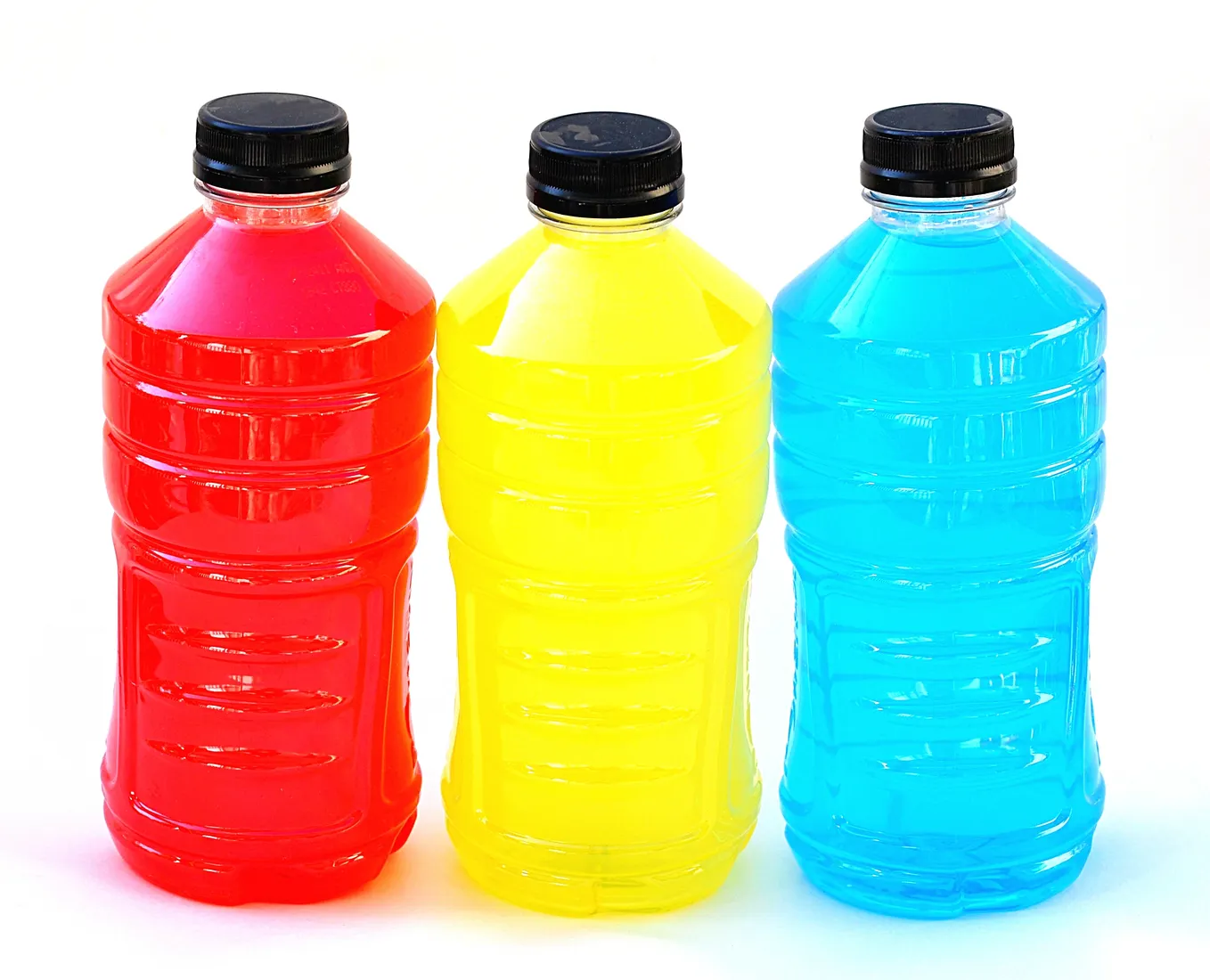
What type of drinks do you consume throughout your day? Do they contain calories? Drinking high calorie beverages when eating healthy can ruin even the best diet plan. Over the course of a few weeks, cutting back on liquid calories can help you lose weight. Other than consuming sports drinks in and around your long workouts leave these alone.
Get JJ Mayo’s stories in your inbox
Join Medium for free to get updates from this writer.
Many of us take for granted the number of calories that are in regular sodas, juice, specialty coffees, or even fat-free milk. While each of these has its place in a healthy weight loss diet plan, you should be careful not to consume drinks that are high in calories. Each of these has about 120–150 calories per 12 ounces. Although these products have little to no fat, calories count so that means you can’t drink unlimited amounts. One research study suggests that consuming high calorie beverages with meals may actually lead to weight gain. A study at Pennsylvania State University found that women consumed an extra 104 calories when they had calorie containing drinks with meals. It also appears that liquid calories don’t contribute to feelings of fullness.
4. Meal Timing
Has this ever happened to you? You get up, go to work, and you are so busy during the day that you barely make time for lunch. With our fast paced lifestyle, there is a natural tendency to eat more calories at night instead of spreading them out over the course of the day. Eating smaller more frequent meals is one of many weight loss tips that athletes can be use to elevate metabolism and keep from overeating late at night.
Cut down on the amounts eaten at lunch and dinner plus add a mid-morning and afternoon snack. You can adjust this depending on what works for you.
Believe it or not, eating more often could actually help you consume fewer total calories over the course of the day. By eating five or six smaller meals the chances of these calories causing weight gain is reduced.
Another reason why you should eat often is that it makes you feel more in control around food. You are not ravenous all the time because you are eating frequently. Give this healthy weight loss tip a try, you might also find that your energy levels are more stable throughout the day.
5. Techniques to Avoid Overeating
There are many strategies you can employ to take control of your eating behaviors. Below you’ll find a list of tips that may be beneficial to you. If one strategy doesn’t work that is fine just move on the next one. The more techniques you have at your disposal the greater your chances of success.
- Plan meals and snacks in advance. Having an eating schedule prevents impulsive eating.
- Focus on your food by eliminating all other activities while eating. Don’t read, watch T.V., or talk on the phone.
- Eat slowly. Savor every bite of food. Notice the flavor and texture — really taste you food.
- Eat in one place in your home. This area of the house, such as your dining table, should only be used for eating. The idea is that you associate this location with eating and nothing else.
- Don’t clean your plate. Don’t feel obligated to clean your plate when dining. Eat until you’re almost full because it takes 20 minutes for your stomach to send signals to your brain to stop eating!
- Eat on smaller plates with smaller utensils. Downsizing your potions by using a smaller plates and utensils gives an illusion of eating more food.
Overweight endurance athletes have a huge opportunity to improve race performances by controlling their food intake. One note to make is that body composition changes and weight loss should be achieved well before your goal event. This allows you to focus on eating enough to fuel your workouts. Trying to cut calories during heavy training is a recipe for disaster. Don’t do it!
As always thanks for reading and please share this with someone who might find the information valuable.
Originally published at fuelforendurance.com on August 24, 2015.