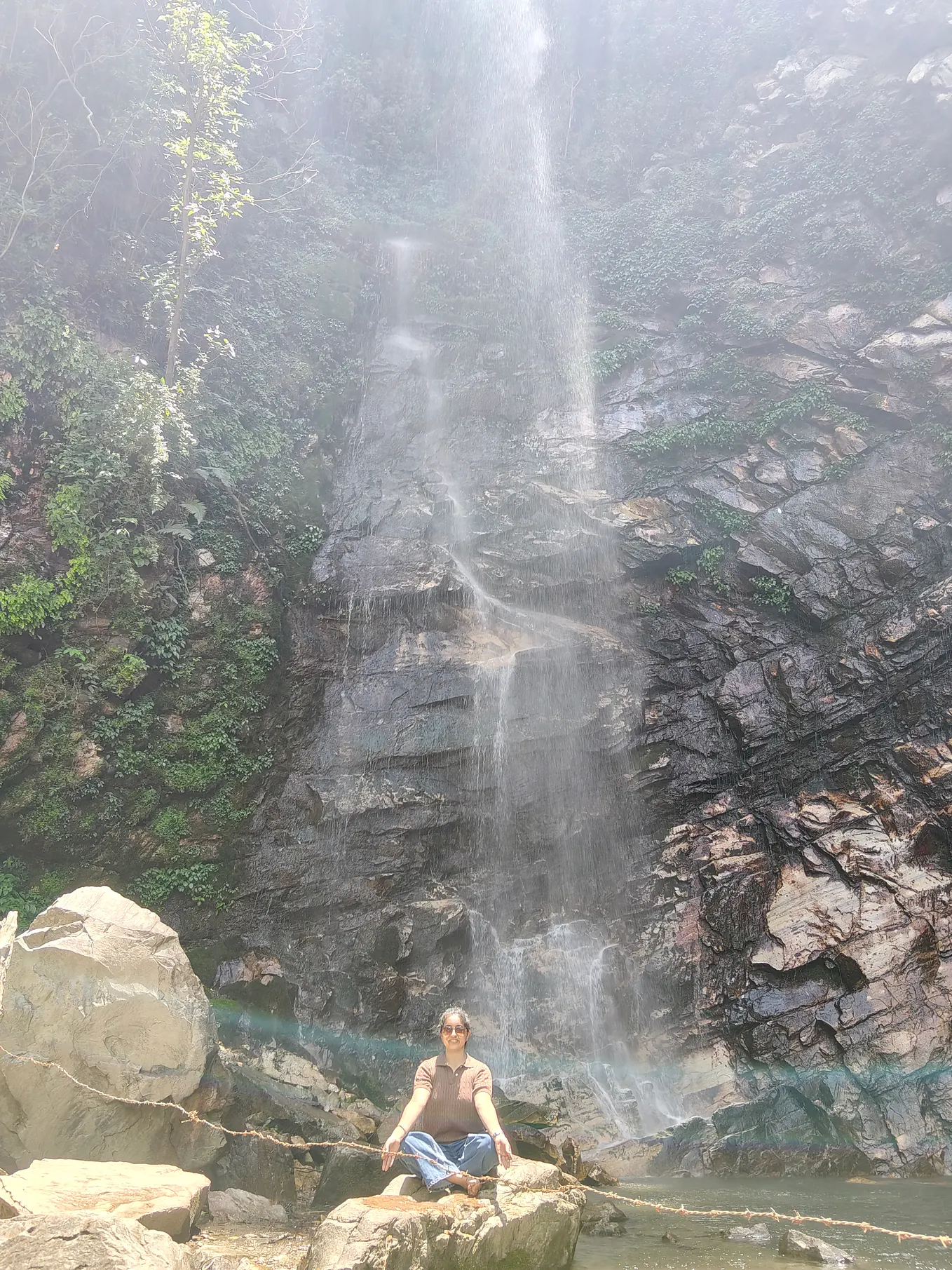
No plans for the day- Luxury or Punishment?

Travel itineraries have a habit of becoming ambitious.
Wake up before sunrise. Drive to the next viewpoint. Finish a trek. Visit a cafe that you saved on Instagram months in advance. Reach the next destination before dark. Somewhere between all the planning and moving, the places themselves can become stops on a checklist.
Our last day in Tirthan Valley was different.

There was no alarm set for an early departure, no trek waiting to be completed, no destination marked on Google Maps. For the first time during the trip, the day had no agenda.
The morning began slowly. The Tirthan River, which lived right next to us for the past few days, seemed to ask for one last conversation before we leave. We wandered down to its banks without any particular purpose. There was nothing to “do” there. No famous viewpoint, no attraction, no activity to tick off.
The river moved with its steady rhythm, sometimes rushing over rocks, sometimes slowing into calmer stretches. The mountains stood exactly where they had been every morning before, wrapped in layers of green that seemed to change shades as the sunlight shifted. The air carried the unmistakable scent of pine, damp earth, and fresh mountain mornings.
We simply stayed amidst all of that, letting everything sink. We knew these vibes, this view, this sound, this air and these surroundings will not be there tomorrow for us. Everything will stay back and we will be gone from here.
It struck me how rarely we allow ourselves to experience a place without trying to extract something from it.
Usually, we visit a river to photograph it. A mountain to climb it. A cafe because someone recommended it. A village because it’s listed as a “must-visit.” Our whole trip is sewed around a checklist.
That morning was different because there was no objective. We were simply there when hunger started rumbling our tummies. We walked back, enjoyed an unhurried meal, and somehow even breakfast tasted different because there was nowhere to rush afterwards.
We got ready and stepped out, not with a route in mind, but with the simple intention of walking. Without an itinerary, every turn felt equally worthwhile because none of them had to compete with a “better” destination.
When we’re used to planning every hour of a trip, a day without plans almost seems unproductive. You wonder if you’re missing something famous just around the corner or wasting valuable vacation time.
But after a while, that feeling fades.
You begin to notice details that usually disappear in a busy schedule; the texture of old wooden houses, the changing sound of the river as the road rises and falls, the smell of pine after the sun warms the forest, the rhythm of village life that continues whether tourists are present or not.
Get Karanjot Kaur’s stories in your inbox
Join Medium for free to get updates from this writer.
The valley slowly stops being a destination and starts feeling like a place.
As evening approached, the reality of the next day quietly settled in. Bags would have to be packed. The drive back would begin early. Mountains would gradually give way to highways, traffic signals, office emails, meetings, and calendars.
Perhaps that is why the day felt so valuable. It wasn’t trying to impress us with dramatic landscapes or adventurous stories. It gave us something far simpler.
Time.
Time to slow down.
Time to notice.
Time to let the place leave an impression before we left it behind.
Looking back, I don’t remember that final day because of anything extraordinary that happened.
I remember sitting beside the river without checking the time.
I remember breathing in the cool mountain air as if trying to store it for later.
I remember aimless walks through quiet village roads where every turn felt peaceful simply because there was no expectation attached to it.

Travel often celebrates movement… how many places we visited, how many kilometres we covered, how many experiences we packed into a few days.
But every now and then, a place offers a different kind of gift. It invites you to stop moving. And sometimes, just before returning to the rhythm of everyday life, that’s exactly the experience you didn’t know you needed.
Looking back, I don’t think the best moments of the trip came from the highest viewpoint or the longest trek. They came from mornings by the river, quiet walks through unfamiliar villages, and conversations that had nowhere else to be.
That day did not entertain us every minute. It simply invited us to exist in that village for a morning by the river, a walk through the village, and a day without expectations. Maybe that’s what rest really is. Not filling every free hour with another activity, but allowing yourself a day that doesn’t need to justify itself.
The mountains remained exactly where they had always been. For once, it was we who stopped trying to keep up. It made me realize how instinctively we try to make every day “count.” Well sometimes, the days that actually refesh and rejuvenate us are the ones that ask nothing from us at all.