Imagine A World: Self Worth and the Struggle Trap

Part of my Imagine A World series, where I unpack the shared struggle of Molly and Sofia (Loot, Apple TV +)
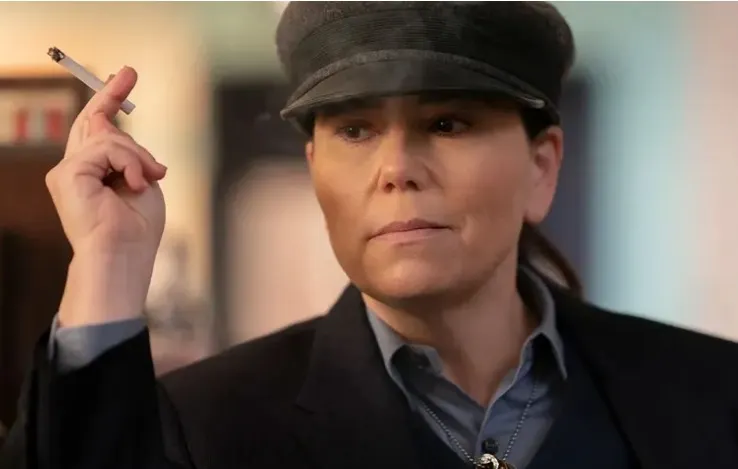
In visiting the world of Loot for the first time, I couldn’t help but make a correlation between Molly (the main character of the show) and Sofia (Molly’s foil and the moral compass of the cast).
On the surface, the two couldn’t be any more different: Molly is the ultra-wealthy ex-wife of a multi-billionaire, while Sofia is the grassroots foot soldier/survivor of trauma and poverty.
So where in the world is the correlation? What could these two possibly have in common?
If you peel back the layers, then like me, you might see that they actually share a very deep and pervasive internal narratives. They’re two sides of the same coin because of this:
They’re both trapped by self-denial born out of their unique identity panic!
Molly’s guilt-trap is more apparent. If we had to use a word for her, the word would definitely be lucky.
She was lucky enough to marry the right guy who was both poor and idealistic when she came along. She was lucky enough to stay with this same guy who became a multi-billionaire, for over 20 years.
And when she discovered that her husband was cheating, and she demanded a divorce, she was lucky to have California community property laws (and the lack of a prenup) on her side, immediately making her the third wealthiest woman in the country!
But here’s the rub: She’s well-aware of her luck, proper placement, and timing (Although she’s truly heartbroken and wishes she didn’t have to discover the infidelity).
Get The Back End by Nic E.’s stories in your inbox
Join Medium for free to get updates from this writer.
That said — she’s become trapped in a state of misplaced guilt about her newfound independent wealth, leading her towards overcompensating, and chasing performative validation to buy a sense of substance.
On the other side, there’s Sofia. She’s a survivor of childhood poverty and trauma. This makes her fiercely loyal to the cause of helping the least of these, but also, she’s both repulsed and terrified of comfort.
She treats creature comforts and all concepts of ease like a betrayal: Her trauma attachment convinces her that if she accepts joy, luxury, or even friendship, she’ll excuse or become like the very 1% villains she despises.
In both cases, the women are running: Molly is running from being seen as empty. Sofia is running from being seen as comfortable and out of touch. Here’s the tragic thing:
Neither is actually living — they’re just managing optics for an audience in their own heads!
But … imagine a world where neither woman has to punish herself to prove she matters.
Imagine if Molly realized her true worth isn’t tied to proving she deserves what she’s been awarded, and imagine if Sofia understood that enjoying ease doesn’t erase her integrity.
What if both women came to realize this:
You don’t have to choose between performative sacrifice and performative ambition just to feel substantial.
The key here is self-respect, and here’s the good news about that:
Self respect doesn’t require martyrdom, overcompensation, or denying the reality of where you stand today, in the present moment, here and now.
When you stop subsidizing your identity with unnecessary struggle, then you can finally give yourself permission to simply exist and enjoy the table you’re sitting at — regardless of whether a celebrity chef is serving the meal, or not!