Connate: Arising Simultaneously


By Michael Erlewine
Where to go from here?
Not much choice but to go on with non-dual non-meditation such as Mahamudra and Dzogchen both as to practicing as well as writing and just living life.
I can see that both my ordinary dualistic mind and the non-dualistic Insight meditation of Mahamudra non-meditation are changing and have changed, moving closer to one another into and to a significant degree sharing the same space. Do I feel crowded?
No, but the lines of demarcation for the two are dissolving as they move closer together.
What this means practically I have to figure out. I notice there are more typos in what I write, many more, and this points to this mixing of the two modes, duality and non-dual. That’s a sign this is happening.
Mixing means getting more similar, a move toward sharing the same space instead of two different and opposite spaces. It also means less of a distinction between the two modes or extremes. The pith texts say that they arise together and are connate, Samsara and Nirvana.
How that affects my Samsaric existence I’d like to know. It seems to make daily waking life somewhat more transparent, like a hologram. And it makes everything I do, whether relating to dharma or just ordinary life, a bit more similar or the same. I am not running back and forth between the two as I used to.
Samsara itself seems more transparent along with everything else. This does not seem to affect my writing or Mahamudra non-meditation; however, it seems to extend my Insight Meditation more to everything I do than I remember, and no longer just to writing words.
I notice that there is not such (perhaps none) an apparent shift as I invoke Insight Meditation and examine the reflection of that experience. It is less obvious and it’s more like I am in non-meditation (non-dualistic) mode more of the time. The sense of separation is dissolving or there is less difference.
Again, it is like the two modes have mixed and are the same or similar, each somewhere in between what these used to be experienced as separate modes.
As to how this affects me, I am still learning. I still seem to have all my fingers and toes, so while I feel different, it’s OK. I am reminded of the book by the brilliant screen-writer Taylor Sheridan, ‘Not OK? OK.’, who seemingly is an advocate of the dharma’s take-it-to-the-path.
If I was a bit shy about veering outside Insight Meditation and writing, this change pushes me over the edge and into having the Insight Meditation searchlight on all the time, or so it seems. It’s not uncomfortable, just different.
Or I can say: before the dog got out of the fight, the fight got out of the dog. What if the opposition softened, the Yin became more Yang, and the Yang became more Yin.
“vive la difference” becomes in Mahamudra ro-chig, “one taste,” where all differences, however different they are in fact, are seen as having the same nature.
It’s not just that appearances that arise are empty,
It’s that appearances are the emptiness arising.
Get Michael Erlewine -- Archivist Popular Culture’s stories in your inbox
Join Medium for free to get updates from this writer.
I first took the Bodhisattva Vow from my root guru, the Ven. Khenpo Karthar Rinpoche, many years ago and as part of a large group. Individual names were not given out then. Later when I asked Rinpoche for a bodhisattva name, he thought about it a bit, and gave this one.
Sempa Chönyi Rangdrol
Sempa = Warrior/Bodhisattva
Chönyi = True nature of the Mind/Reality, Dharmata
Rangdrol = Self-liberation
Sempa (sem-pa): Short for jang-chub sem-pa, the Tibetan for bodhisattva. Literally it means “mind-hero” or “courageous mind”: one who has the courage to work for the awakening of all beings. It marks this as a bodhisattva name.
Chönyi (chö-nyi): Tibetan for the Sanskrit dharmata, meaning “the true nature of things,” “reality itself” or “suchness.” Chö is phenomena or dharma, and nyi means “-ness” or “itself.” It’s the ultimate nature of all that appears, the same nature that in the Dorje Chang Tungma points to when it says thoughts are dharmakaya.
Rangdrol (rang-drol): “Self-liberation,” or “naturally self-liberated.” A thought, once recognized, frees itself like writing on water, with no effort needed.
Put together, this translates to:
‘Self-liberating Nature of the Mind’
Self-liberating Dharmata
“Bodhisattva of Self-Liberating Reality”
“The Hero in Whom the Nature of Things Is Self-Liberated”
I take this to mean, as we all do, I have to liberate myself.
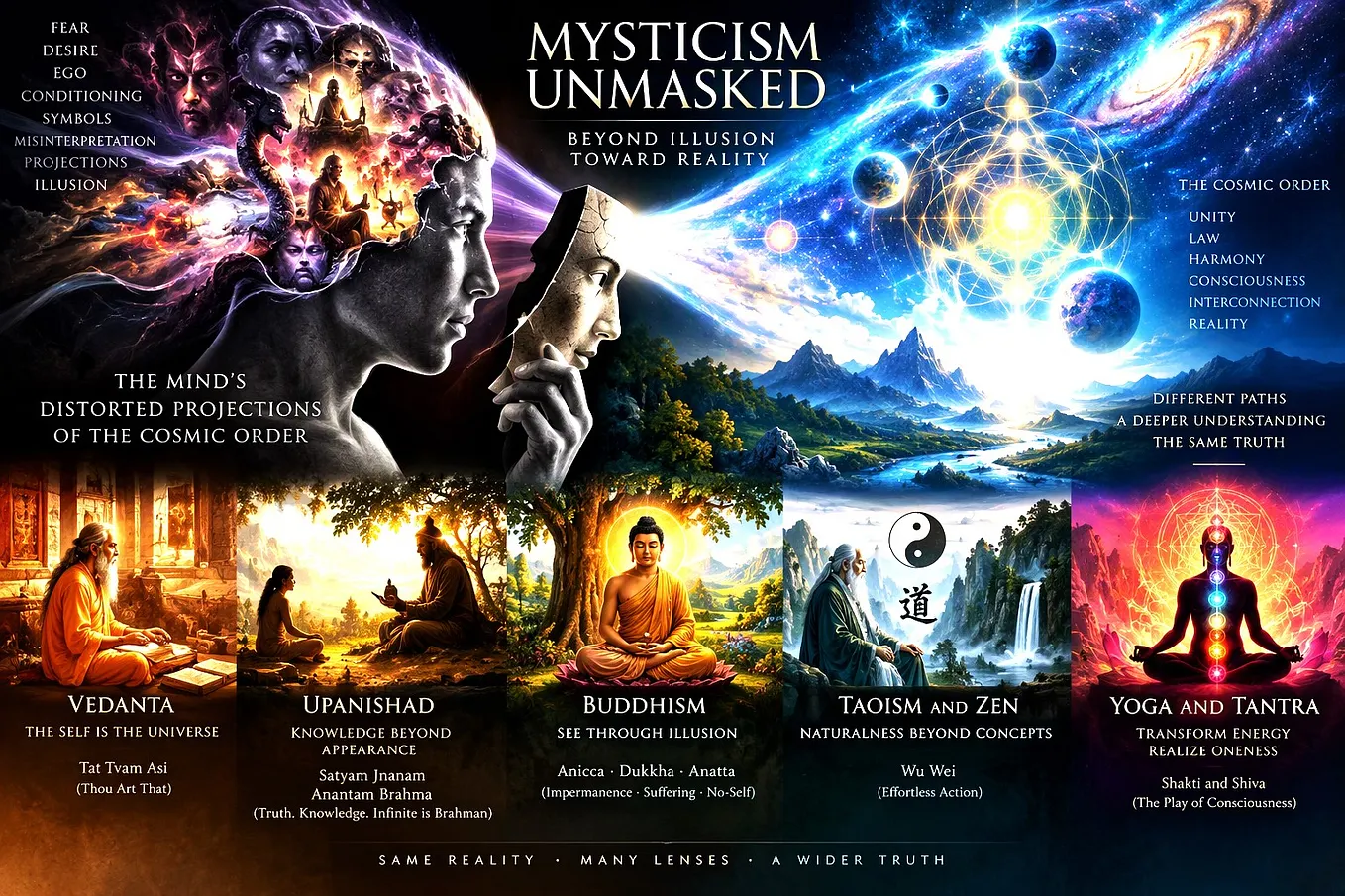
[Midjourney graphic prompted by me.]
EMAIL Michael@Erlewine.net Note: If you would like to have access to other free books, articles, and videos on these topics, here is the link: SpiritGrooves.net.
As Bodhicitta is so precious,
May those without it now create it,
May those who have it not destroy it,
And may it ever grow and flourish.