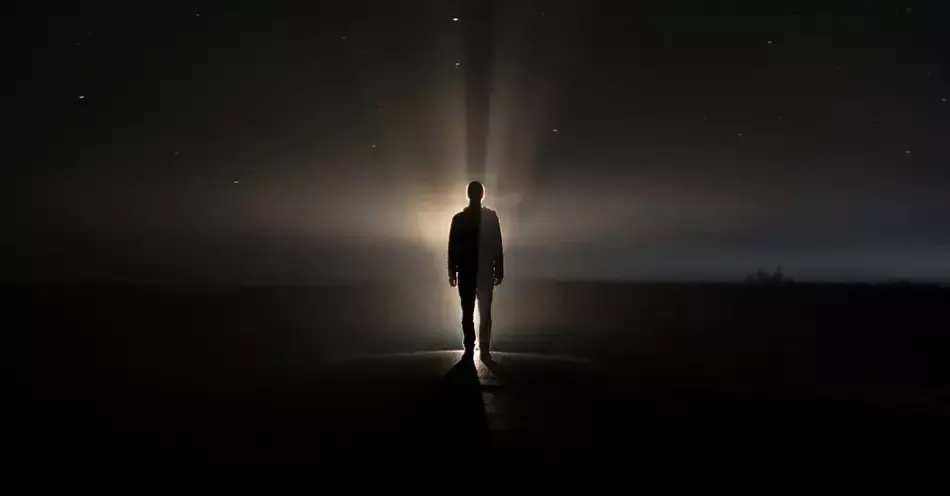
Unconquerable

‘Invictus’, written by William Ernest Henley in 1875, is one of my very favourite poems. Invictus is Latin for ‘unconquerable’ and ‘undefeated’. In the present article, Morgan Freeman celebrates the poem and his hero Nelson Mandela. What clues does the poem give about the Hero’s Journey of BEing unconquerable?

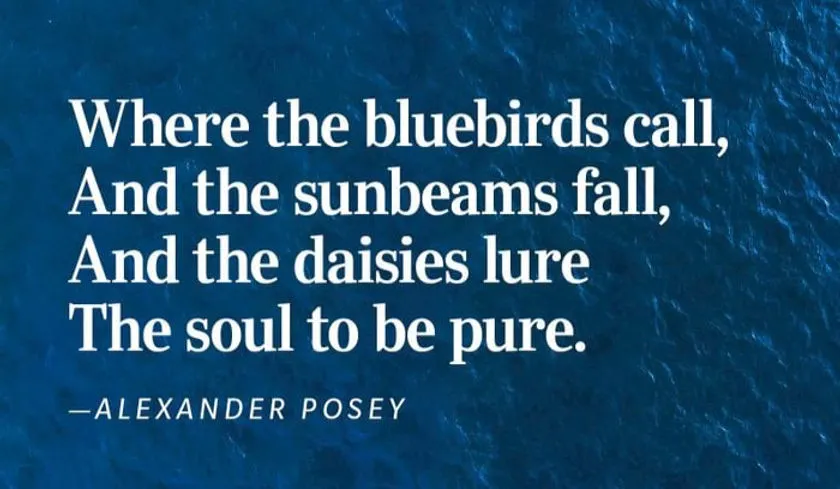
‘Invictus’ by William Ernest Henley:
Out of the night that covers me,
Black as the pit from pole to pole,
I thank whatever gods may be
For my unconquerable soul.
In the fell clutch of circumstance
I have not winced nor cried aloud.
Under the bludgeonings of chance
My head is bloody, but unbowed.
Beyond this place of wrath and tears
Looms but the Horror of the shade,
And yet the menace of the years
Finds and shall find me unafraid.
It matters not how strait the gate,
How charged with punishments the scroll,
I am the master of my fate,
I am the captain of my soul.
Nelson Mandela and ‘Invictus’
In today’s tumultuous, toxic, drama-fuelled world, poetry has an invaluable place for recording events, feelings, and our responses to them. For centuries, leaders throughout the world have turned to poetry for solace and for a call to action. ‘Invictus’ stands out amongst the crowd of poetic artistry.
Nelson Mandela, the inspirational anti-apartheid leader, who was imprisoned for 27 years for his activism, regularly recited the poem ‘Invictus’ during challenging times. He was awarded the Nobel Peace Prize in 1993, becoming the President of South Africa in 1994.
William Ernest Henley
Born in Gloucester, England, poet, editor, and critic William Ernest Henley was educated at the University of St. Andrews in Scotland. His father was a struggling bookseller who died when Henley was a teenager. At age 12 Henley was diagnosed with tubercular arthritis that necessitated the amputation of one of his legs just below the knee; the other foot was saved only through a radical surgery performed by Joseph Lister. As he healed in the infirmary, despite his childhood emotional and physcial trauma, and undoubtedly inspired by it, Henley began to write poems, including ‘Invictus’, which concludes with the oft-referenced lines “I am the master of my fate; I am the captain of my soul.” Henley’s poems often engaged themes of inner strength and perseverance.
Get Dr Olly Alexander Branford MD MBBS MA(Cantab) PhD’s stories in your inbox
Join Medium for free to get updates from this writer.
Henley edited the Scots Observer (which later became the National Observer), through which he befriended writer Rudyard Kipling, who wrote one of my other favourite poems ‘If’ (my article about this is coming soon). Henley also edited the Magazine of Art, in which he lauded the work of emerging artist and sculptor Auguste Rodin. Henley was a close friend of Robert Louis Stevenson, who reportedly based his Long John Silver character in Treasure Island in part on Henley.
What clues does the poem give about the Hero’s Journey of BEing unconquerable?
To be unconquerable and abundant on your own Hero’s Journey you must practice an attitude of gratitude. Invictus says “I thank whatever gods may be. For my unconquerable soul.” This also suggests that it doesn’t matter what ‘Gods may be’: Indeed the power, intelligence, and creativity of the Universe do not require us to name a God. The feeling of Truth is unknowable and cannot be put into words. God in essence is our awareness of who we truly are. We are unconquerable souls who have forgotten who we truly are: That is our only problem in life. So, the only solution, then, is the great remembering of who we are. I suggest that this is why ‘Invictus’ can carry someone from despair to joy and peace. It encapsulates the transformative path.
Fear and Faith do not live in the same house. The poem indicates this “And yet the menace of the years; Finds and shall find me unafraid.” This reminds me of the very short story: “Fear knocked on the door: Faith answered. There was no-one there.”
How do you become unconquerable?
How do you remain undefeated, unassailable, undefeatable, unconquerable, and invincible? You do this by BEing the master of your own fate; the captain of your soul. How do you do this? It’s simply a choice of who you are BEing:
Choice 1: ‘The wounded inner child’; the ego; ‘King Baby’; your false self.
Choice 2: Your higher Self; your higher power; your true Self.
Click here for a higher power:
This means making every decision in your life from a place of love instead of fear.

The choice is yours. Let me guide you…
Suggested Reading
Click here for the books that I know will help you along your journey of recovering your Self:
Click Me For Your Guide’s Books
Click here to read all my articles:
Hello,
I am very pleased to meet you. Thank you for reading this far. I very much look forward to connecting with the highest version of you, to seeing your highest possibility, and to our conversations. Please do contact me via my website for a free connection call and a free experience of coaching.
See you soon.
Olly Alexander Branford PhD
Click here for my website: