Lessons About Relationships From a Chemical Plant Explosion

When the Alarm Sounds: Why Safety Must Come Before Accountability
Mondays are often seen as the start of another predictable week — a fresh cycle of routines and responsibilities. Most of us slip into autopilot: coffee, commute, and calendars. But some Mondays refuse to play by the rules.
Monday, October 23, 1989, started like any other day for many in Pasadena, Texas, where I lived at that time. But by 1:30 PM, it had turned into a nightmare that would forever change lives and reshape the community.
That was the day the Phillips Petroleum Chemical Plant exploded.
The blast, triggered by a massive release of highly flammable ethylene-isobutane gas mixture during routine maintenance, claimed 23 lives, injured more than 300, and caused an estimated $700 million in damages. The explosion registered the equivalent of 2.4 tons of TNT, shaking buildings 10 miles away and sending a towering column of black smoke into the sky that could be seen for miles.
I remember exactly where I was. The ground shook. The sky darkened. And within moments, the everyday rhythm of Monday was shattered.
“Run First, Ask Later”
Inside the plant, chaos erupted. Safety alarms were drowned out by the roar of fire and the screams of terrified workers. Friends of mine — people I’d shared meals and memories with — ran for their lives as toxic gas and debris consumed the facility.
One woman, Vivian, shared her story with me. When the explosion hit, she did what her training had told her not to do — she ran. She didn’t wait for instructions. She didn’t stop to grab her shoes. She fled, barefoot, tripping once, but pushing herself up and onward.
A piece of shrapnel landed exactly where she had stumbled. Had she paused for even a moment longer, she wouldn’t have lived to tell the story.
“I never missed those shoes,” she told me. “They weren’t worth my life.”
Her words — and her instincts — still echo in my mind.
When Infidelity Blows Up Your Life
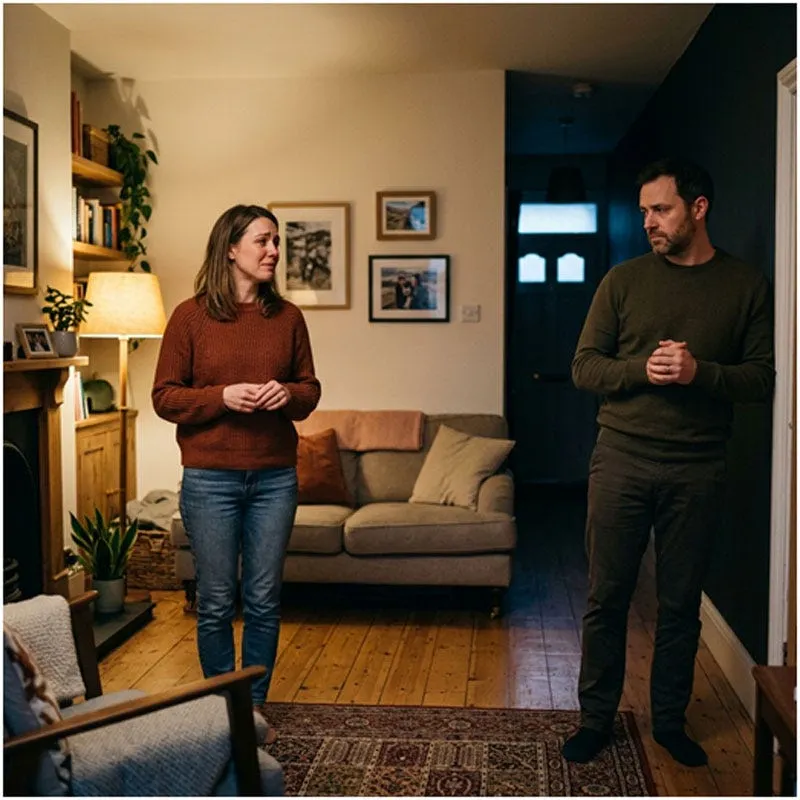
When a spouse discovers an affair, it’s rarely expected. Like that Monday afternoon in Pasadena, life shifts in an instant.
The emotional shock hits like a blast wave:
- Your world shakes.
- Your sense of safety disintegrates.
- You scramble to make sense of what just happened.
In that moment, many people instinctively do what feels rational: they demand answers. They want explanations. They look for who to blame. But in those early moments, asking “Why?” is like turning back for your shoes when danger is crashing down around you.
You don’t need answers first. You need safety.
Why Safety Comes Before Accountability
When infidelity is exposed, the temptation is to lead with confrontation:
- “How could you?”
- “Why would you do this?”
- “Was it emotional or physical?”
- “Do you love them?”
Those are important questions. But they’re the wrong questions to ask first. Because when both spouses are in emotional crisis, lobbing accusations only intensifies the destruction. You’re both standing in the fallout zone.
Get Jeff Murrah, LPC, LCDC, CMNCS’s stories in your inbox
Join Medium for free to get updates from this writer.
You need emotional triage. Safety before solutions. Connection before confrontation.
Research from trauma-informed therapy confirms this: healing doesn’t begin until there is psychological safety. Only when both partners feel emotionally safe can trust begin to rebuild and communication begin to flow.
If you jump to accountability too soon, you risk:
- Shutting down honest conversation
- Triggering shame-based reactions
- Creating defensiveness rather than cooperation
And in doing so, you may unintentionally sabotage any hope of healing the relationship.
What to Do Instead
- Prioritize emotional safety.
- Speak calmly. Avoid verbal attacks.
- Let your partner know you’re not out for revenge, but clarity.
- Create space to breathe.
- Just like fire needs oxygen to grow, your marriage needs emotional space to survive the explosion.
- Postpone the big questions.
- They’ll come — but right now, focus on emotional regulation, not interrogation.
- Focus on stabilization, not explanations.
- Think of it like emergency response: stop the bleeding first before asking what caused the injury.
How to Start Rebuilding
This is exactly why I created the video “How Can I Trust You Again?” It guides couples through the first essential steps of restoring trust by first establishing emotional safety.
In the video, I walk you through:
- How to de-escalate emotional tension
- How to set boundaries that create a safe zone for healing
- How to start communicating again without triggering new damage
Only when you and your partner feel safe can you move on to the deeper work of accountability, forgiveness, and rebuilding.
Vivian’s Lesson: Some Things Aren’t Worth Picking Up
When your marriage is under threat, don’t reach for the shoes. Don’t get stuck trying to make sense of everything in the moment. There will be time for explanations, accountability, and decisions.
But if you stay in the blast zone, focused on blame, your marriage may not survive the second wave.
Run toward safety.
Then begin the work of healing together.
Keeping It Real,
Jeff