Dog DNA Can Support a Defense, Too
A UK database helps scientists judge how much weight to give a canine DNA match — and when the evidence points to a different dog.

Picture a torn shirt after an altercation. Investigators find a stain that appears to contain dog saliva. That trace could matter — but it can’t tell them by itself which dog left it, when it got there, or what happened.
If someone ever pointed at Tyson after a bite down the street, I’d want more than a swab and a hunch before anyone decided he did it.
What researchers built
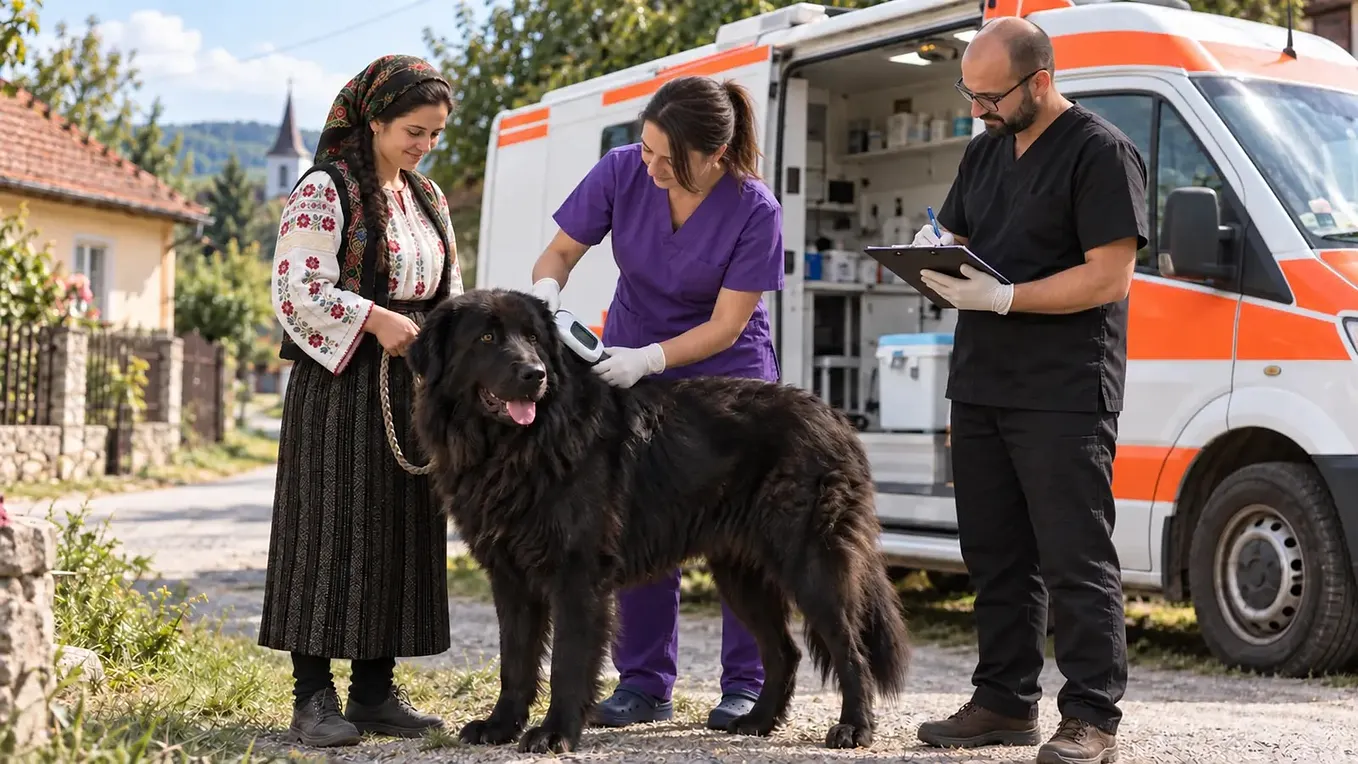
Researchers from King’s College London and the Royal Veterinary College analyzed DNA from more than 1,200 dogs across 80 breeds, using 13 autosomal short tandem repeat markers. These markers are small, repeating sections of DNA that vary among dogs.
Get Stephen Gill’s stories in your inbox
Join Medium for free to get updates from this writer.
The researchers used the data to build a reference database of canine DNA profile frequencies. A profile shared by many dogs carries less identifying weight than a rare one. The reference data helps scientists estimate how much weight a match carries; it doesn’t identify a pet by name or address. Read the study.
A match is a number, not a verdict
Scientists compare a trace from a scene with a sample from a specific dog. They assess how well the result fits competing explanations — for example, whether the trace came from that dog or from an unrelated dog.
The statistical weight of that result is not the probability that the dog is guilty. Investigators have to weigh it with the rest of the evidence.
King’s College London describes two cases that show how canine DNA evidence can point in different directions. In one, a DNA result strongly supported the hypothesis that a Staffordshire Bull Terrier had contributed a crime-scene stain after an attack on a police officer. In another, likely canine saliva from two dogs was found on a torn shirt belonging to a man accused of causing an injury. The DNA evidence supported the defense. King’s College London summarizes both cases.
Where the evidence stops
DNA alone doesn’t show who did what or when a trace was deposited. A sample can be handled badly, pick up contamination, or be carried onto a shirt by a dog that was never at the scene. Collection and interpretation matter.
The reference data was built around UK dogs. It shouldn’t automatically be treated as representative of dogs in Florida or elsewhere. The method also depends on having a usable trace and a suitable sample from the dog being compared.
If your dog is ever the one being accused, that’s the difference between a match and proof.
Sources: The study · King’s College London research summary