The Ultimate Guide to Buying Your First Home in Dubai


Dubai’s real estate market provides a wide variety of opportunities for first-time homebuyers, ranging from luxurious high-rise apartments to peaceful villas and townhouses. Being one of the most dynamic and rapidly growing cities globally, Dubai attracts both investors and residents with its modern infrastructure, tax-free income, and a lifestyle that combines the best of the East and West. However, navigating the market can be challenging, especially for first-time buyers. This guide aims to help you understand the types of properties available, how to secure a mortgage, and key considerations to keep in mind before making your purchase.
Understanding Property Types
When purchasing your first home in Dubai, one of the initial decisions you’ll need to make is the type of property that best suits your needs and lifestyle. The primary options are apartments, villas, and townhouses, each offering unique benefits.
1. Apartments
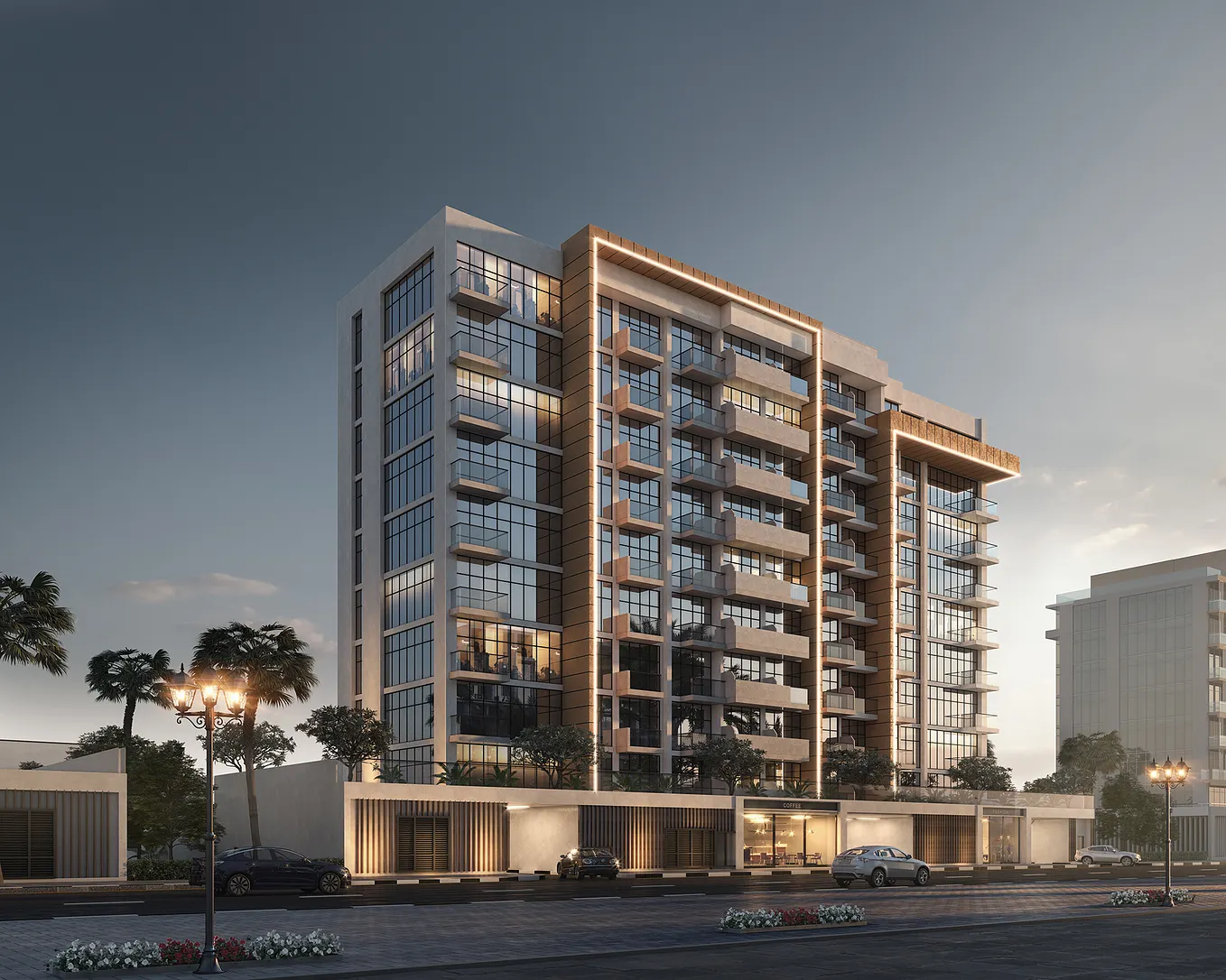
Differences and Benefits: Apartments are typically located in high-rise buildings and offer amenities like gyms, pools, and security. They are ideal for individuals or small families who prefer an urban lifestyle with easy access to city attractions, shopping, and dining.
Pros and Cons: The main advantage of apartments is the convenience and modern amenities they offer. However, they usually have higher service charges compared to villas and townhouses. Additionally, space can be limited, which might be a downside for larger families.
Popular Areas: Dubai Marina, Downtown Dubai, and Jumeirah Lake Towers (JLT) are popular areas for apartments, offering vibrant city life with stunning views of the skyline or the waterfront.
2. Villas
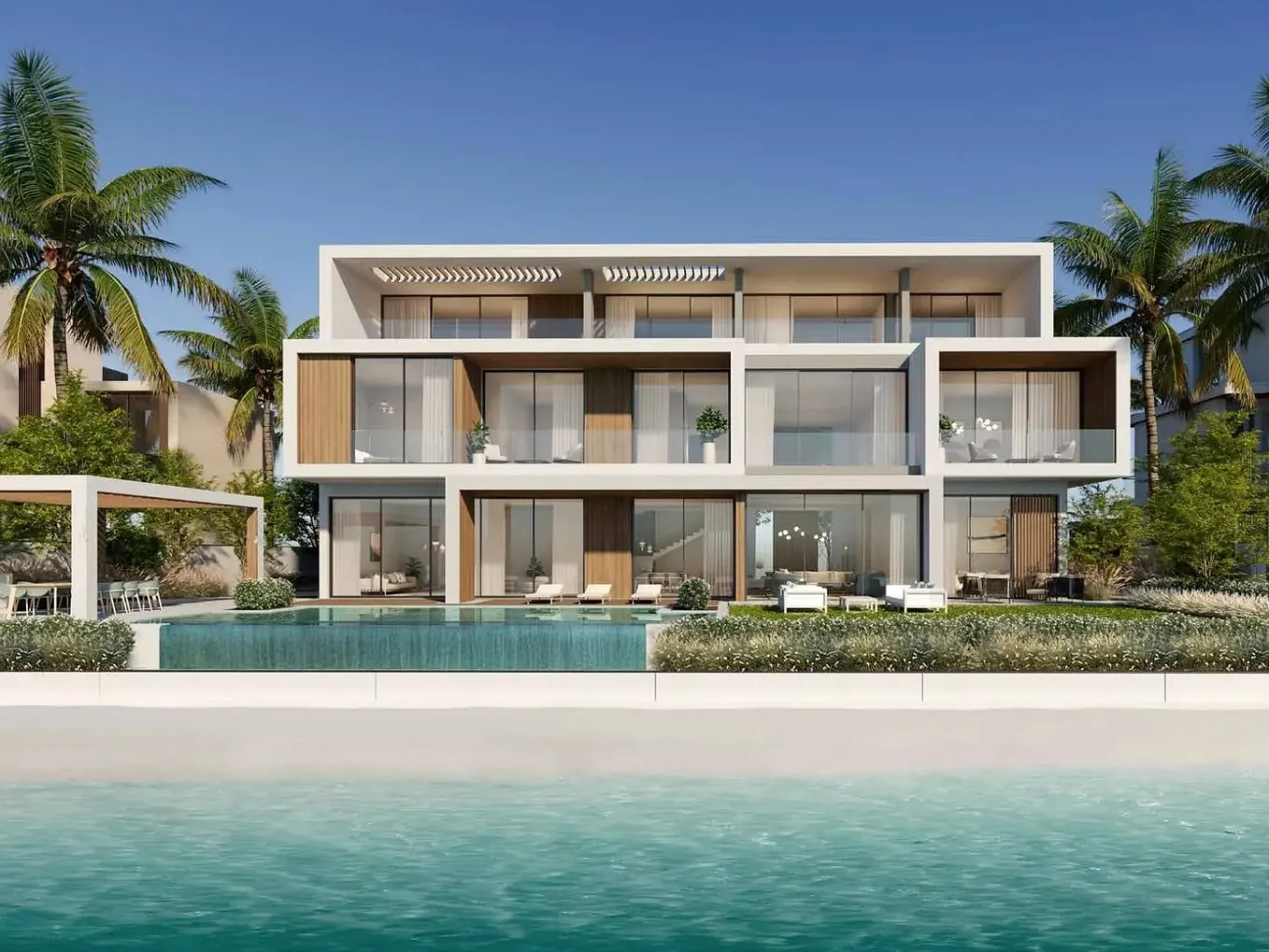
Differences and Benefits: Villas offer more privacy and space, often with private gardens and pools. They are perfect for larger families or those who value a quieter, suburban lifestyle.
Pros and Cons: Villas provide ample space and are ideal for families with children. However, they are usually more expensive than apartments, and maintenance can be more demanding and costly.
Popular Areas: Emirates Hills, Palm Jumeirah, and Arabian Ranches are known for their luxurious villas, offering a serene environment with all the modern conveniences.
3. Townhouses
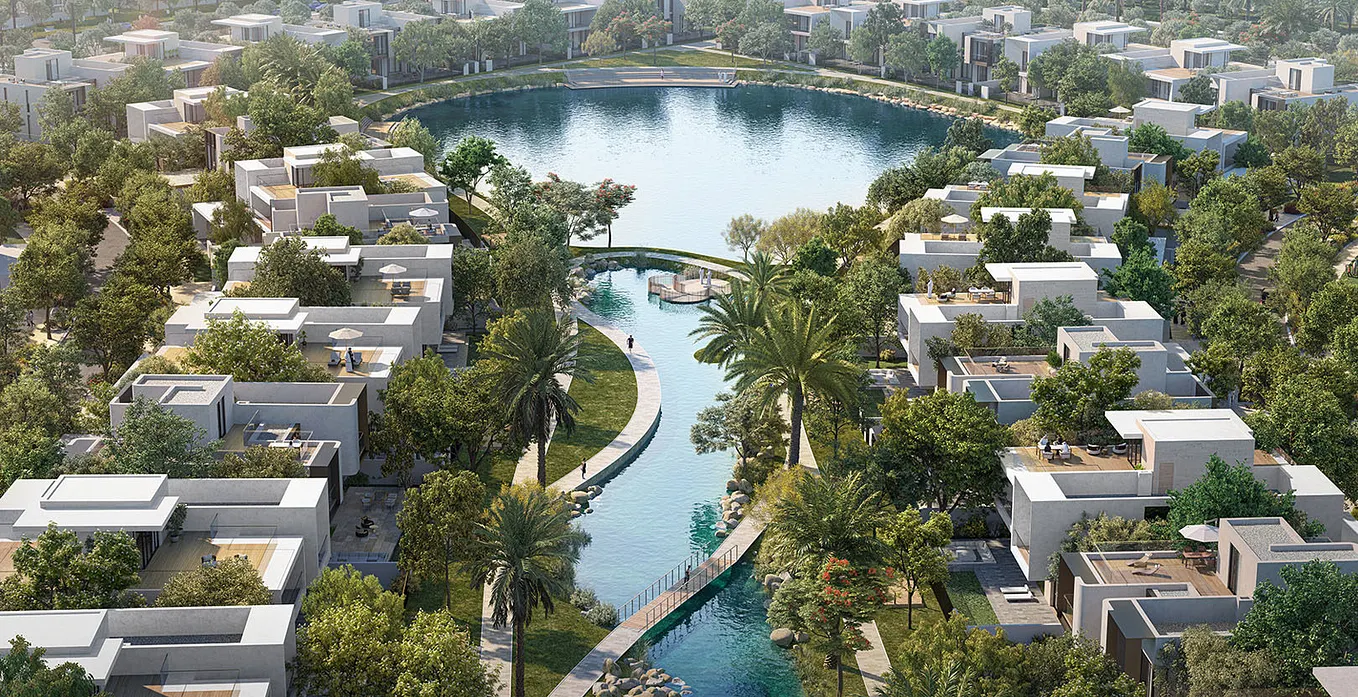
Differences and Benefits: Townhouses are a middle ground between apartments and villas, offering a balance of space and affordability. They often come with small gardens and are located within gated communities.
Pros and Cons: Townhouses provide more space than apartments and are more affordable than villas. They also foster a sense of community. However, they may lack the privacy of standalone villas.
Get Totality Real Estate’s stories in your inbox
Join Medium for free to get updates from this writer.
Popular Areas: Town Square, Jumeirah Village Circle (JVC), and The Springs are popular areas for townhouses, especially for young families and first-time buyers.
Navigating Dubai’s Mortgage Market
Securing a mortgage is a crucial step when purchasing your first home. Dubai’s mortgage market is well-regulated and offers options for both residents and non-residents. Understanding the terms and requirements is essential for making an informed decision.
1. Qualifying for a Mortgage
To qualify for a mortgage in Dubai, you generally need a stable income and a good credit history. Most banks require proof of employment and income, such as salary slips or tax returns, along with a minimum monthly income. Typical documents include your passport, Emirates ID (if applicable), proof of income, bank statements, and a copy of the sales agreement. Non-residents might also need additional documentation from their home country.
2. Loan-to-Value (LTV) Ratio and Down Payment Requirements
The LTV ratio represents the percentage of the property’s value that the bank is willing to finance. For first-time buyers, the LTV ratio is around 80% for residents and 50–70% for non-residents, meaning a down payment of 20–50% is required. The down payment for a property valued at AED 1 million could range from AED 200,000 to AED 500,000, depending on your residency status and the LTV ratio offered by the bank.
3. Getting the Best Mortgage Rates in Dubai
Shop around and compare offers from multiple lenders. Consider both fixed and variable rate mortgages to determine which best suits your financial situation. Mortgage brokers can help navigate the market and may have access to exclusive deals. Consider locking in a favorable rate early, as interest rates can fluctuate.
Key Considerations for First-Time Buyers
When buying your first home in Dubai, it’s crucial to consider all factors carefully due to the significant investment involved. Here are some key points to keep in mind:

1. Budgeting for Additional Costs
When registering a property in your name with the Dubai Land Department (DLD), a fee of 4% of the property value is charged. Typically, this fee is divided between the buyer and the seller and should be taken into consideration as a significant cost.
Depending on the property type, you may need to account for ongoing maintenance and service charges. For instance, annual service fees for apartments and villas in gated communities cover security, landscaping, and shared amenities.
Although not obligatory, it is advisable to have property insurance to safeguard your investment against unexpected events. The cost varies based on the property type and value.
2. Location and Future Development Plans
The property’s location significantly impacts its value and your quality of life. Consider proximity to schools, workplaces, public transport, and amenities. Also, think about the area’s long-term prospects and potential for appreciation.
Investigate any planned developments in the area. New infrastructure projects, such as metro lines or shopping malls, can boost property values, while certain developments might disrupt the tranquility of your neighborhood.
3.Conduct Due Diligence Before Purchasing
When buying off-plan, it’s important to research the developer’s reputation and track record. Ensure they have a history of completing projects on time and to a high standard.
Legal considerations are also crucial. Ensure all paperwork is in order and consider hiring a legal expert to review contracts. Make sure the property is registered with the DLD and free from any legal disputes.
Lastly, staying informed about market trends can help ensure you’re buying at a good time. Property prices can fluctuate, and understanding the market can help you make a more informed decision.
In Summary
When buying your first home in Dubai, it’s essential to approach the process with confidence and careful planning. By strategically choosing the right property type, securing favorable mortgage terms, and considering all associated costs, you can make a well-informed decision that will benefit you for years to come. Use this guide as a strong starting point and delve into our other articles for even more detailed insights on navigating the Dubai real estate market.
Additional Resources
- Article on Market Trends: “For insights into current market conditions and price forecasts, read our in-depth analysis on the Dubai Real Estate Market: Trends and Forecast for 2024.”
- Legal Considerations: “Understanding the legal landscape is crucial. Learn more in our guide on Understanding Dubai Property Laws and Regulations.”