A Week of Firsts in Changsha, China
Week 1: Borlaug-Ruan Internship Summer 2025
Looking out the window as the airplane narrows in on Guangzhou, China, I notice the first of many differences. I’m met with the sight of towering buildings, tightly clustered, and monochrome (perhaps attributed to the cloudy day). Coming from suburban North Carolina, it is a stark contrast to the abundance of single-family homes.

Unfortunately for me, an hour delay on my flight to Guangzhou meant my layover was about as crammed as those apartment towers. My first step on Chinese soil was much different than what I had envisioned. I was sweaty, out of breath, and sprinting with two suitcases in tow to catch the shuttle to my connecting flight to Changsha.
Once I landed, I was greeted by two coworkers from the lab, Hu Qian and Liu Tien. Communication was instantly a challenge as they were learning English, and I, admittedly, knew no Mandarin (besides a basic nǐ hǎo and xièxiè). Nevertheless, Google Translate was able to break the language barrier and has since become my most-used app in China.
From the airport, I had anticipated that we would head straight to the dorms at the research institute. But instead, I was pleasantly surprised to be dropped off at a fancy orange-themed hotel (even the toothpaste is orange flavored!).

After freshening up at the hotel, my coworkers and I went to a traditional Hunan restaurant right across the street from my hotel. My chopstick skills were quickly put to the test, and like I had feared, I was offered a spoon, scavenged from the depths of the kitchen. I have vowed to myself to become an adept chopstick user by the end of the two months.

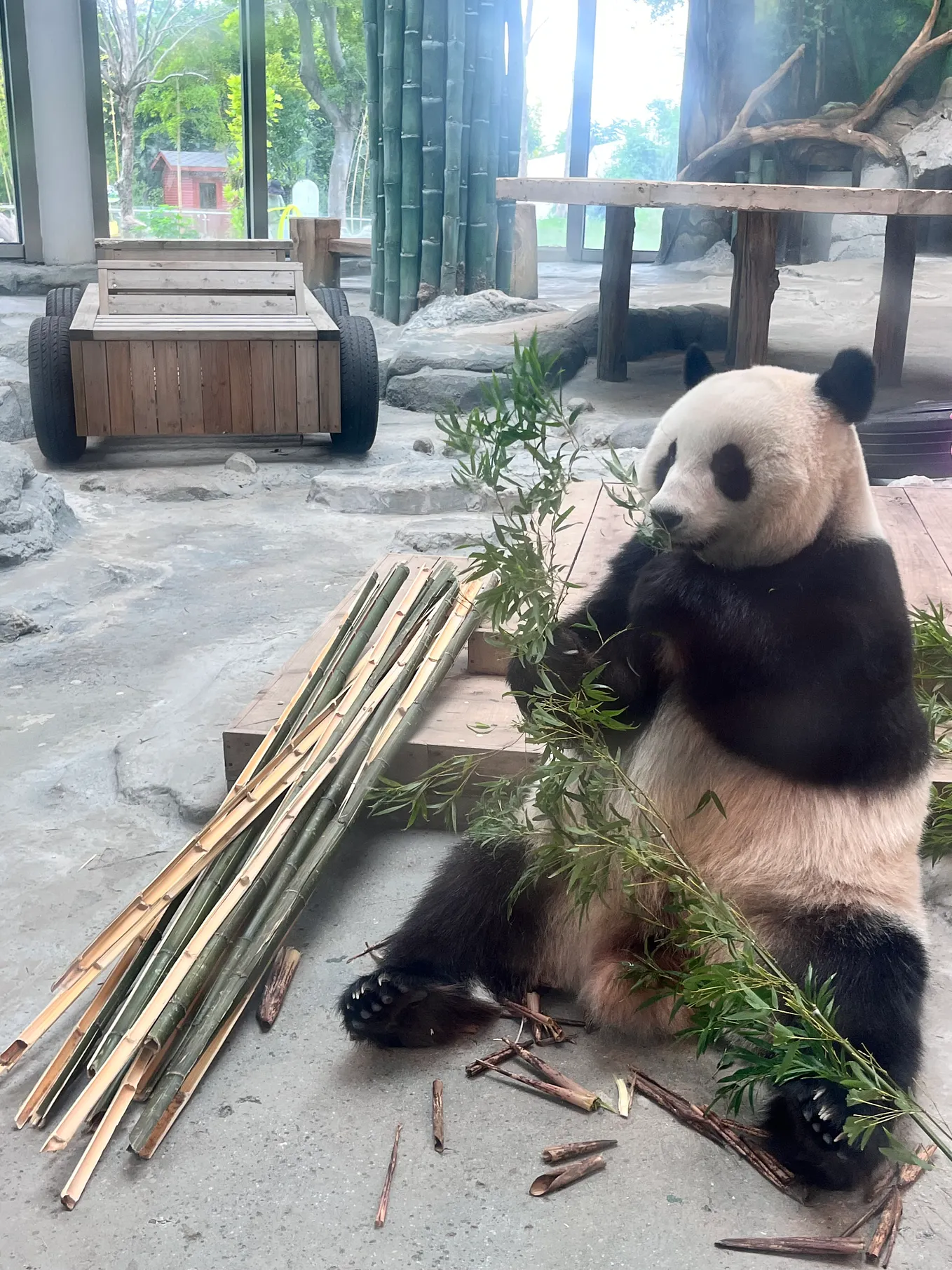
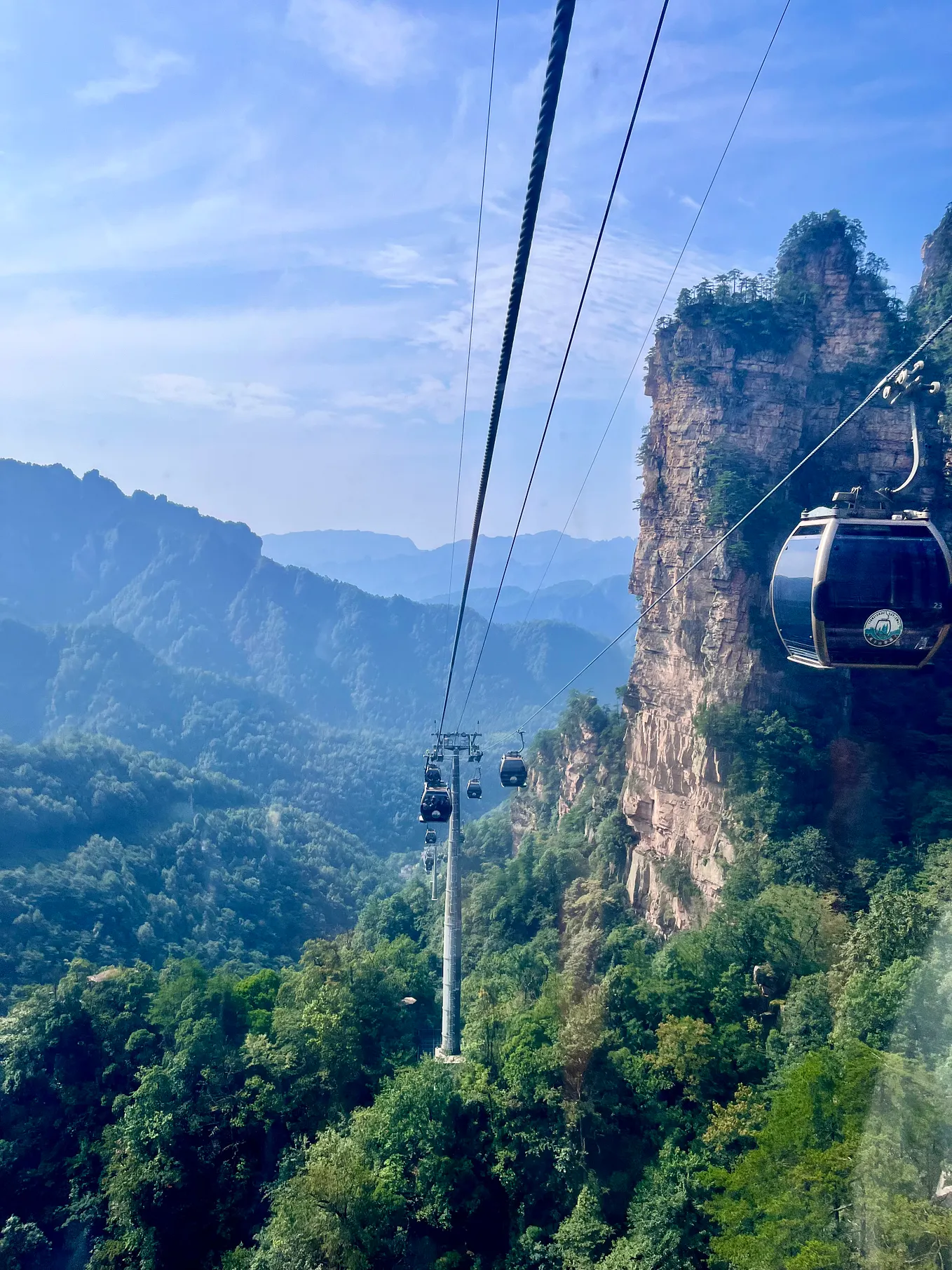
I had the weekend off before the internship began on Monday and made good use of the time to explore. Here are a couple of the things we did through pictures:


After an eventful weekend, Monday was my first day at the internship site. I am working at the Chinese National Hybrid Rice Research and Development Center (CNHRRDC), a top institute for rice research founded by the father of hybrid rice, Yuan Longping.

The lab I will be working with, led by Dr. Xiao Gui, focuses on breeding hybrid rice that is resistant to Blast disease, caused by a devastating fungus (Magnaporthe oryzae) and responsible for around 15% of yield loss in China and worldwide.

Coming into the lab with little to no prior knowledge on hybrid rice research, I’ve been using the first week to do some literature review, shadow lab members, and perform basic lab procedures such as polymerase chain reaction (PCR) and gel electrophoresis. It’s exciting to see our lab members published in Nature and other prestigious publications from the U.S. that I recognize! I was also amazed that there is Mandarin terminology for all the niche agriculture and molecular biology jargon.
Get Adithi Radhakrishnan’s stories in your inbox
Join Medium for free to get updates from this writer.
The working culture here in Changsha is quite different from the strictly professional and rigid structure I have experienced in American labs. While the working hours typically extend from around 8:30 a.m. to 7 p.m., it features a lengthy mid-day break and copious time for chatting with coworkers. The lab atmosphere is so wholesome and tight-knit — so much so that all the lab members (and even some of their college friends) choose to spend a Friday night playing badminton together with no motives for professional gain or networking, but simply for fun. It is quite eye-opening to see this completely different approach to work, which doesn’t come at the expense of excellence, as evidenced by the acceptance into top publications.
Aside from lab activities, we also had the chance to visit some sites in the city and taste more of the delicious Hunan cuisine throughout the week (here’s the picture proof).


Overall, it’s been an exciting and fulfilling first week in Changsha, filled with many firsts. I am very excited to explore more of the city as well as delve deeper into the research and make the most of the two months we have here!