#YouMatterMonday

A Weekly Ritual of Kindness That Comes from a Real Place
Mental health awareness isn’t just a cause I picked for a class assignment. It’s personal. After living through postpartum depression, depression, and anxiety, I learned how one small message can change the direction of a day. That’s where #YouMatterMonday comes from. A simple, gentle weekly ritual that encourages people to send one genuine message, recognize someone who helped them, or check in on a friend who might be struggling quietly.

Digital spaces can be overwhelming, but they can also be lifelines. Lindgren reminds us that digital participation isn’t equal, because some people have more access, confidence, or visibility than others. But kindness, it is one of the few things that cuts through those divides (Lindgren, 2020). A single encouraging message doesn’t require a big platform. It just requires intention.
Emotion is also a powerful mobilizer. The CUNY article on activism explains how feelings like care, hope, and unity help sustain movements and build resilience, especially when people feel isolated or overwhelmed (CUNY School of Law, 2025). #YouMatterMonday taps into that same emotional energy by making kindness visible and shareable.
Instagram: Soft, Shareable, and Supportive
Instagram is the cozy home to the campaign. Every Monday, we post soft pink and cream quote graphics with handwritten reminders like “You matter more than you know.” These are meant to be instantly shareable. The kind of thing people repost to their Stories without thinking twice.

We also release Story templates with prompts such as “Someone who helped me this week…” or “A message I needed to hear…” These templates make participation effortless. Shirky discusses how digital tools lower the “coordination cost,” making it easier for loosely connected people to act together (Shirky, 2008). A simple Story template does exactly that; it gives people an easy way to join in.
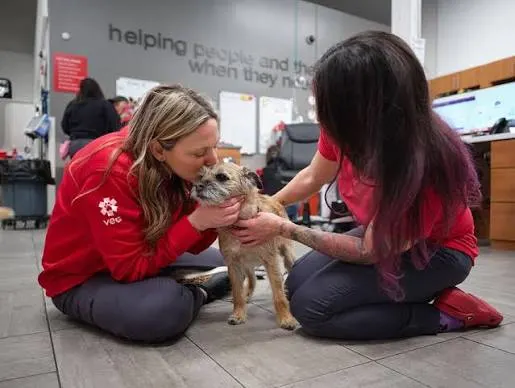
Reels capture tiny acts of kindness with sticky notes on mirrors, comforting hugs, pets leaning into someone upset. These emotional micro‑moments reflect research showing that personal stories inspire engagement more than polished content (Maryland Smith, 2023).

TikTok: Real Moments, Real Emotion
TikTok is where kindness comes alive. Short clips show everyday care when a roommate brings coffee, a parent soothing a child, a friend checking in. Youth mobilization research shows that emotional storytelling and personal narratives help people feel connected and motivated (Ahn & Han, 2020). TikTok is perfect for that.

Each video ends with a soft handwritten overlay:
Get Amber Hill’s stories in your inbox
Join Medium for free to get updates from this writer.
“Pass kindness forward. #YouMatterMonday.”
And because online spaces can also be harsh, it matters to create pockets of gentleness. Pew Research documents how online harassment can push people out of digital spaces entirely (Pew Research Center, 2014). #YouMatterMonday offers the opposite, as it’s a space built around care.

Final Call to Action
Send one genuine message.
Make someone’s Monday.
#YouMatterMonday

References
Ahn, S. W., & Han, H. (2020). Youth mobilization to stop global climate change: Narratives and impact. Sustainability, 12(10), 4127. https://doi.org/10.3390/su12104127
CUNY School of Law. (2025, March 14). The power of emotion in activism: Mobilization, sustainability, and resilience. The Institute on Gender, Law, and Transformative Peace. https://www.law.cuny.edu/institute-on-gender-law-and-transformative-peace/blog/the-power-of-emotion-in-activism-mobilization-sustainability-and-resilience/
Lindgren, S. (2020). Digital media & society (2nd ed.). SAGE Publications. Amazon.com: Digital Media and Society: 0001529722497: Lindgren, Simon: Books
Maryland Smith. (2023, December 5). How influencers are changing the marketing game: Research shows how to maximize sales when choosing influencers to work with. University of Maryland, Robert H. Smith School of Business. https://www.rhsmith.umd.edu/research/how-influencers-are-changing-marketing-game
Pew Research Center. (2014, October 22). Online harassment: Experiences in their own words. https://www.pewresearch.org/internet/2014/10/22/online-harassment-experiences-in-their-own-words/
Shirky, C. (2008). Here comes everybody: The power of organizing without organizations. Penguin Books. Here Comes Everybody Power of Organizing Without Organizations (Hardcover, 2008): Clay Shirky: 9780713999891: Amazon.com: Books