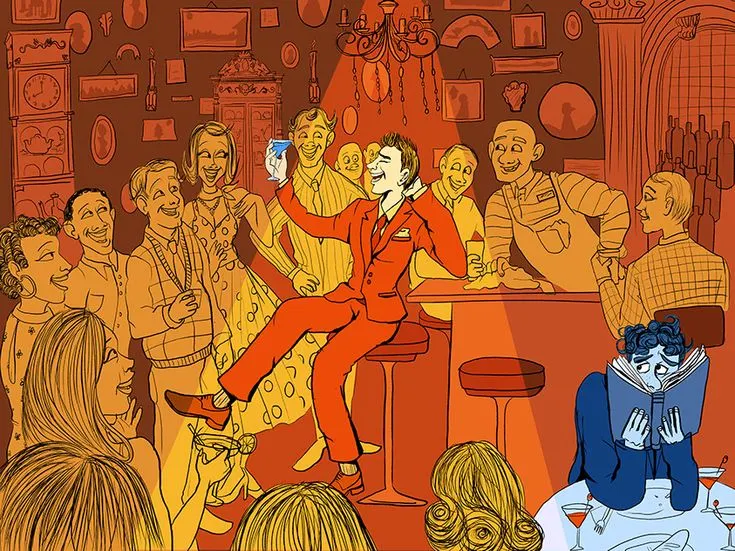
Do You Actually Jinx Yourself?


Picture this: life is good. Genuinely, unexpectedly, almost suspiciously good. The sun is out, things are clicking into place, and for a moment you let yourself believe — maybe this is just how it is now.
And then one day, it isn’t.
Not catastrophically. Just… not great. A normal, unremarkable bad day sandwiched between all the good ones. Completely ordinary. Completely inevitable.
But here’s where it gets interesting — instead of accepting that, something in you reaches for an explanation. Did I jinx it? You start replaying the moment you said things were going well out loud. You remember you forgot to knock on wood. You wonder if the nazar emoji would’ve helped.
You didn’t jinx yourself. But your brain really wants you to think you did.
There’s a name for it: Confirmation Bias. Your brain is a ruthless editor. It keeps the one time you “spoke too soon” and quietly discards the dozens of times you predicted something bad that never happened. The hits get highlighted. The misses get buried. Over time, your own mental highlight reel convinces you that saying things are going well is somehow asking for trouble.
Then there’s something quieter underneath — Imposter Syndrome wearing a superstition costume. When you fear a jinx, you’re often not really afraid of bad luck. You’re pre-loading disappointment. If you predict the fall, it hurts less when it comes. Fearing the jinx is a defence mechanism — a way of staying one step ahead of your own expectations before anyone else can hold you to them.
Get Aish’s stories in your inbox
Join Medium for free to get updates from this writer.
And so you train yourself. Every good stretch becomes a countdown. Things are going well starts to feel like a threat, not a celebration. In the back of your mind, a quiet ticker runs: something bad is coming. It always does.
So when it does — when one bad day actually arrives — you don’t see it as a Tuesday. You see it as proof.
But here’s what’s actually true: life is a rollercoaster, not a punishment. The dip after the high isn’t the universe correcting you. It’s just the ride.
What makes the jinx feel so real is that when things go wrong, we become detectives — and bad ones at that. We connect irrelevant things to relevant outcomes. The forgotten wood-knock. The unposted evil eye. The offhand comment made in a moment of confidence. None of it caused anything, but blame needs somewhere to land, and superstition is a surprisingly comfortable landing pad. It lets you exit the situation — mentally, at least — without sitting with the harder truth: sometimes things just go wrong, and that’s allowed.
People say you are your own worst enemy. In this case, it’s literally true. The jinx isn’t real, but the self-sabotage that follows believing in it very much is.
The antidote isn’t toxic positivity or pretending bad days don’t exist. It’s self-awareness — the ability to pause when things go sideways and ask: am I reading this clearly, or am I pattern-matching my way into a spiral?
One bad day doesn’t cancel everything that came before it. Your luck didn’t run out. You didn’t speak too soon. You just lived a little more of your life.
And that’s not a jinx. That’s just being human.
signing off
Aishi