The Power of Welcome


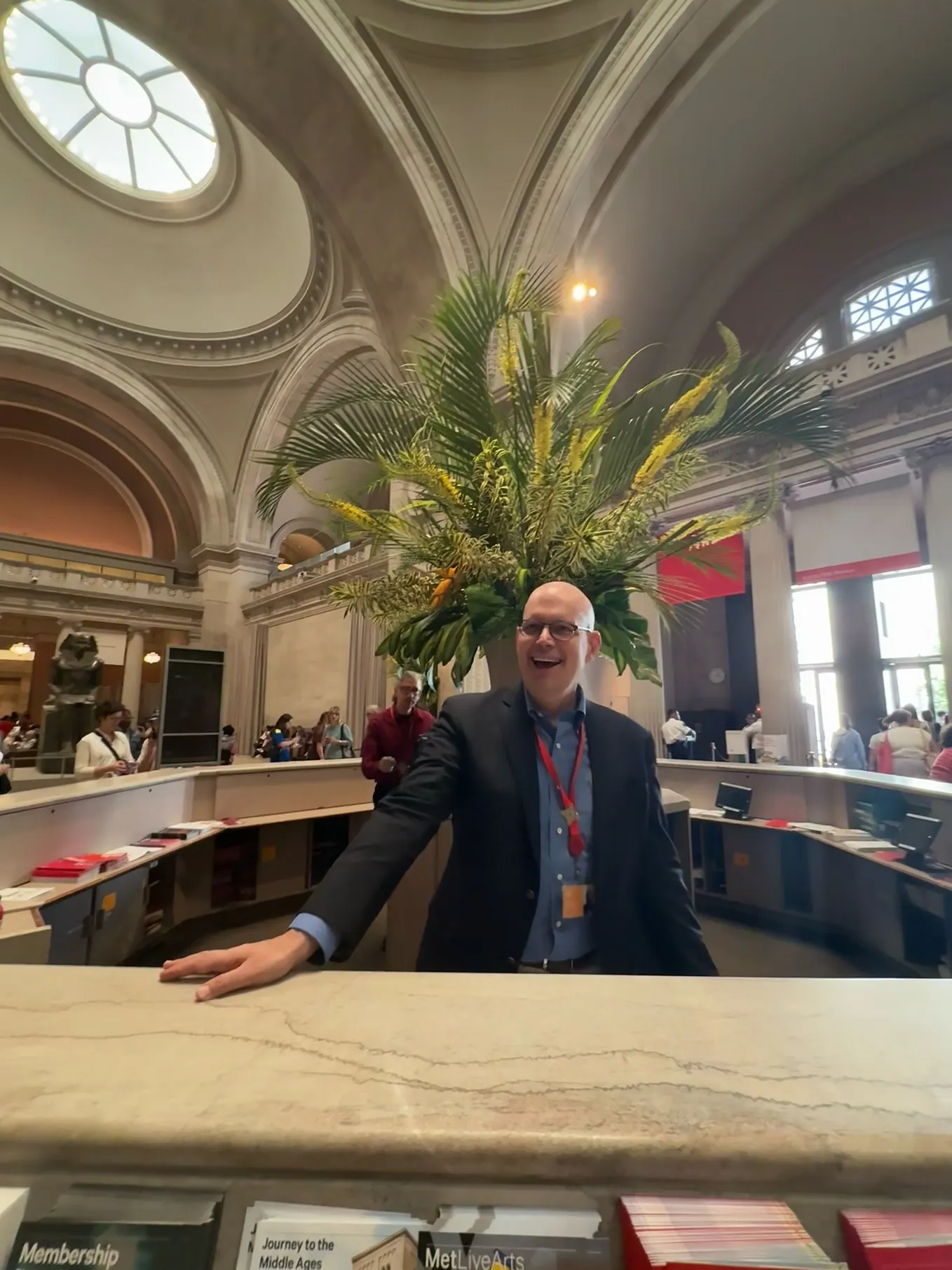
Before a visitor sees the exhibition, hears the program, or experiences the collection, they encounter a person.
That first human interaction matters.
A welcome may last only a few seconds, but it establishes the emotional tone for everything that follows. It tells people whether they belong, whether they are safe asking questions, and whether the institution was truly prepared to receive them.
We sometimes treat welcoming as a simple transaction: say hello, scan the ticket, point toward the elevator, and move to the next person. But a genuine welcome is something deeper. It is an act of recognition. It says: I see you. I am glad you are here. Let me help you find your way.
That is no small thing.
People arrive carrying experiences we cannot see. They may be excited, intimidated, distracted, exhausted, or uncertain. For some, entering a museum feels completely natural. For others, it may feel as though they are stepping into a world that was not created with them in mind.
The person who welcomes them has the power to change that feeling.
A warm greeting can soften anxiety. A patient answer can build confidence. A clear direction can prevent frustration. A moment of kindness can turn an unfamiliar building into a place where someone feels they belong.
This is why first impressions are not merely cosmetic. They are emotional. They shape how people interpret everything that comes afterward.
When visitors feel welcomed, they become more open to the experience. They are more willing to explore, ask questions, and connect with what is around them. When they feel ignored, confused, or dismissed, even the most extraordinary exhibition must work against the feeling created at the door.
Every institution tells a story about itself before a visitor reads a single wall label. That story is told through the cleanliness of the entrance, the clarity of the signs, the ease of purchasing a ticket, and — most importantly — the behavior of the people who meet the public.
Our frontline teams are not standing outside the visitor experience. They are the visitor experience.
Get Will Sullivan’s stories in your inbox
Join Medium for free to get updates from this writer.
They give the institution its human voice. They translate policies into conversations, buildings into welcoming spaces, and organizational values into visible behavior. They often manage hundreds of interactions in a single day, yet each visitor experiences only one of them. For that person, the moment is individual. It is personal. It may become the moment they remember.
This is the great responsibility — and the extraordinary opportunity — of welcoming people.
A meaningful welcome does not require a grand gesture. More often, it is built through small acts performed with intention: making eye contact, offering assistance before someone must request it, noticing uncertainty, using a calm tone, listening fully, and treating every question as worthy of an answer.
These gestures may seem ordinary to the person providing them. To the person receiving them, they may be anything but ordinary.
The same is true far beyond museums. Every workplace, business, school, community, and home has a threshold. Someone is always arriving. Someone is always wondering, consciously or unconsciously: Am I welcome here? Do I matter? Is there a place for me?
Our response becomes part of their experience.
We will not always remember every person we welcomed. But they may remember us. They may remember the smile that settled their nerves, the employee who walked with them instead of merely pointing, or the person who made them feel respected when they expected to feel invisible.
People rarely remember every detail of a visit. They may forget which doorway they entered, which floor they explored first, or exactly what was said. But they remember the emotional truth of the encounter.
They remember whether they felt seen.
They remember whether they felt valued.
They remember how we made them feel.
That is the power of a first impression. It is not simply the beginning of an experience. It can shape the memory of the entire experience.
Every welcome is a chance to communicate who we are and what we believe. It is an opportunity to turn hospitality into belonging and a brief interaction into a lasting impression.
We may never know how far that feeling travels with someone after they leave. But that does not make the moment small.
It makes the moment matter.