What the Org Chart Can’t Tell You
Before we change systems, structures, or processes, we need to understand the people who make them work.

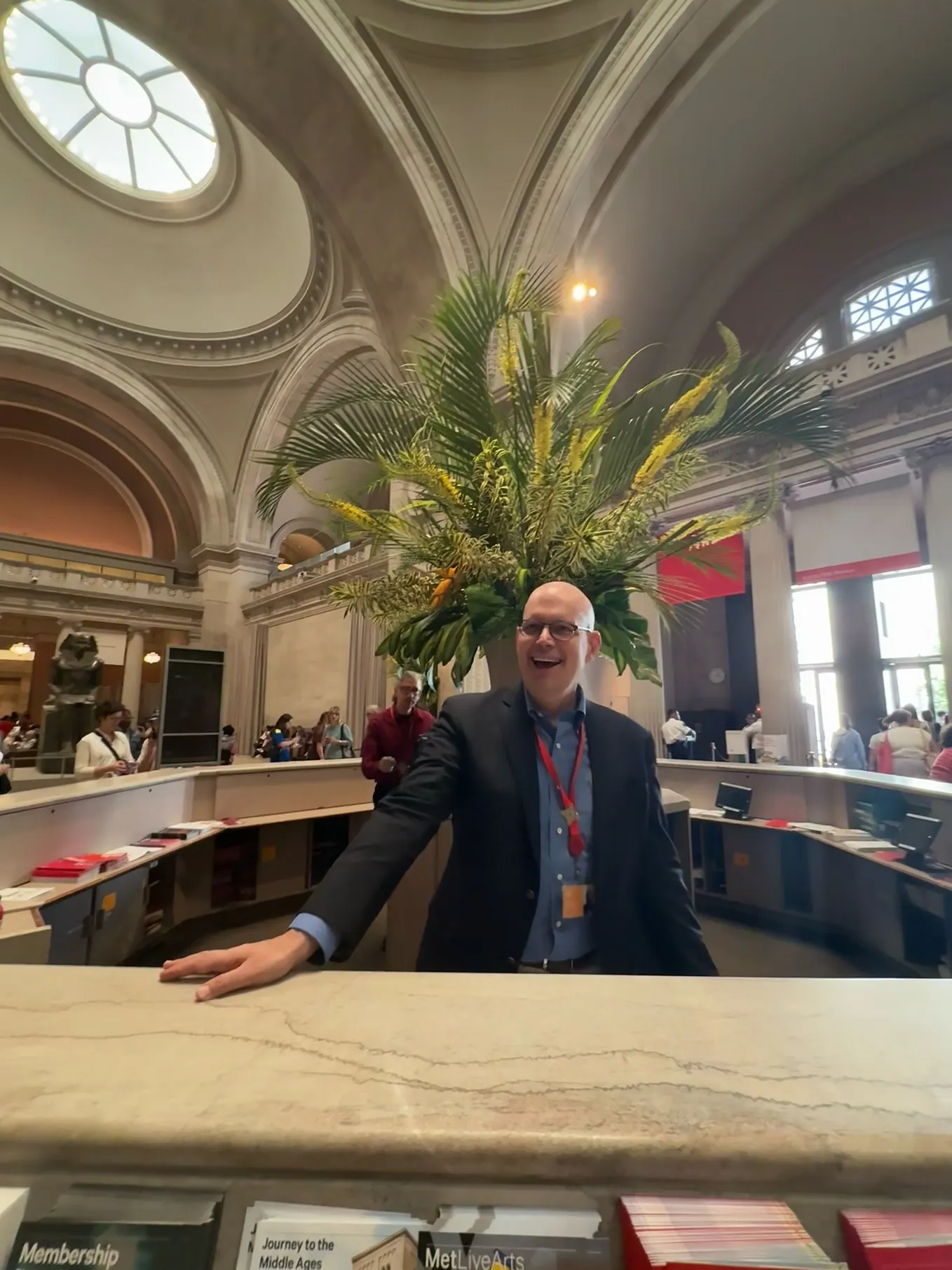
I have spent most of my career in museums. You would think that after all these years, I could walk into one and immediately understand how it works.
I can’t.
Experience helps me recognize patterns. It helps me know what to look for and which questions to ask. But perhaps the more important lesson has been learning not to assume that because I have seen something before, I understand what is happening now.
Every museum is different. The building is different. The history is different. The culture is different. The relationships are different. And, most importantly, the humans are different.
So before I can understand an operation, I need to walk it. And I need to get to know the people who do the work — not just their names or titles, but who they are on a human level. What brought them here? What matters to them? What have they experienced? What do they know that I don’t?
Understanding the operation and understanding the humans who make it work cannot be separated.
Understand the Place
In a museum, the physical environment tells you a great deal.
I want to understand how visitors enter and move through the building, what they encounter along the way, and how the public-facing spaces connect to everything happening behind the scenes.
I also want to see where employees actually work. Office conditions matter. Where are people located? Who works near one another? Who is separated? Where do people naturally gather? How easy is it to walk over to a colleague and have a conversation?
We spend enormous energy thinking about how physical environments shape the visitor experience. They shape the employee experience, too.
Then there is the organization itself.
Museums are complex ecosystems. Visitor-facing teams may be the people the public sees, but the visitor experience is being created across departments. Security, Facilities, Education, Exhibitions, Membership, Development, Communications, Technology, Finance, Human Resources, and Leadership all touch the experience in some way.
Yet silos are the norm, not the exception.
That isn’t necessarily a criticism. Silos develop naturally. People focus on the responsibilities, pressures, deadlines, and priorities directly in front of them. Departments develop their own rhythms and ways of working.
The opportunity comes when people want to cross those boundaries.
Meaningful collaboration happens when colleagues become curious about work beyond their own departments and begin to understand how their decisions affect others. The question starts to shift from Who owns this? to How do we solve this together?
An organizational chart can show me the structure.
It cannot show me how the place really works.
For that, I need the people.
Understand the History
Every workplace has a history, and much of it lives inside the people who have experienced it.
Someone who has been part of an organization for years has lived through changes, successes, disappointments, abandoned ideas, difficult periods, and moments of enormous pride. Some of that history is documented. Much of it isn’t.
That knowledge matters.
Get Will Sullivan’s stories in your inbox
Join Medium for free to get updates from this writer.
A spreadsheet can give me data. A report can give me findings. An organizational chart can give me reporting lines.
People give me context.
And context is especially important before making recommendations. What appears straightforward from the outside may make perfect sense once you understand how it developed. Something that looks like an isolated problem may actually be connected to decisions made elsewhere in the organization.
That is why I want to understand before I recommend.
And understanding requires people to be willing to talk.
Trust Changes the Conversation
People usually have plenty to say about the places where they work. But having something to say and feeling comfortable enough to say it are very different things.
Before people speak candidly, they are figuring us out. Are we actually listening? Have we already made up our minds? Will we respect what they tell us? What will we do with it?
Ultimately, they are deciding whether they trust us.
Trust cannot be requested. It has to be earned, usually through very ordinary behavior: showing up, listening to the entire answer, respecting someone’s experience, following through, and resisting the urge to immediately provide a solution.
Some of the most revealing conversations I have had throughout my career didn’t happen in the first meeting. They happened later, after enough interactions had taken place for someone to decide that I genuinely wanted to understand.
Experience has made me much more comfortable giving that process time.
There was probably a point in my career when I thought experience meant having more answers. Today, I think it means knowing which questions to ask — and knowing when I don’t understand enough yet to answer them.
I’ve seen this before is not the same as I understand what is happening here.
That distinction matters.
Listen First
There will be time for recommendations. There will be time to talk about systems, structures, staffing, processes, technology, and change.
But first, understand the place.
Walk the building. See where the work happens. Understand how the departments connect. Learn the history. Get to know the people.
Then listen.
Eventually, the conversations change. People share more. Connections become clearer. Assumptions give way to understanding. And only then can we begin to make informed decisions about what should come next.
After all these years, there is one thing about which I have very little doubt:
Without trust, nothing sustainable or worthwhile can be built. Never.
We can implement systems, restructure departments, write procedures, and announce change without trust. But sustainable change requires people to participate in it.
That is why I am less interested these days in walking into a room with answers.
I would rather arrive with questions.
Because you have to know the humans first.