Song Sohee: Korean Folk Singer Branches Out
Her Career Trajectory and Why I’m Really Into It
Korean traditional music icon Song Sohee takes culturally infused performances beyond expectations with tracks that draw inspiration from Korean music, modern popular styles, and folk music from other countries.
Intro to Song Sohee
While K-pop dominates Korea’s music scene as its global front-facing genre (and I am not necessarily saying that’s a bad thing), the country’s artists have a lot more to say beyond that medium, and I am all for it. Song Sohee in particular casts a wide net and ventures into sonic territory that is distinctive and diverse in her explorations. It’s quite common to tie a specific genre of music to an artist, and essentially “typecast” them. Admittedly, there are some logistical reasons for this: mastering just one genre of music and being both proficient and unique enough to stand out is a monumental task in and of itself. However, this singer is not afraid to step outside of her comfort zone and experiment with the potential of her vocal techniques rooted in Minyo tradition, which is why I am so fascinated with her career trajectory. Also, she composes and arranges a lot of her own music.
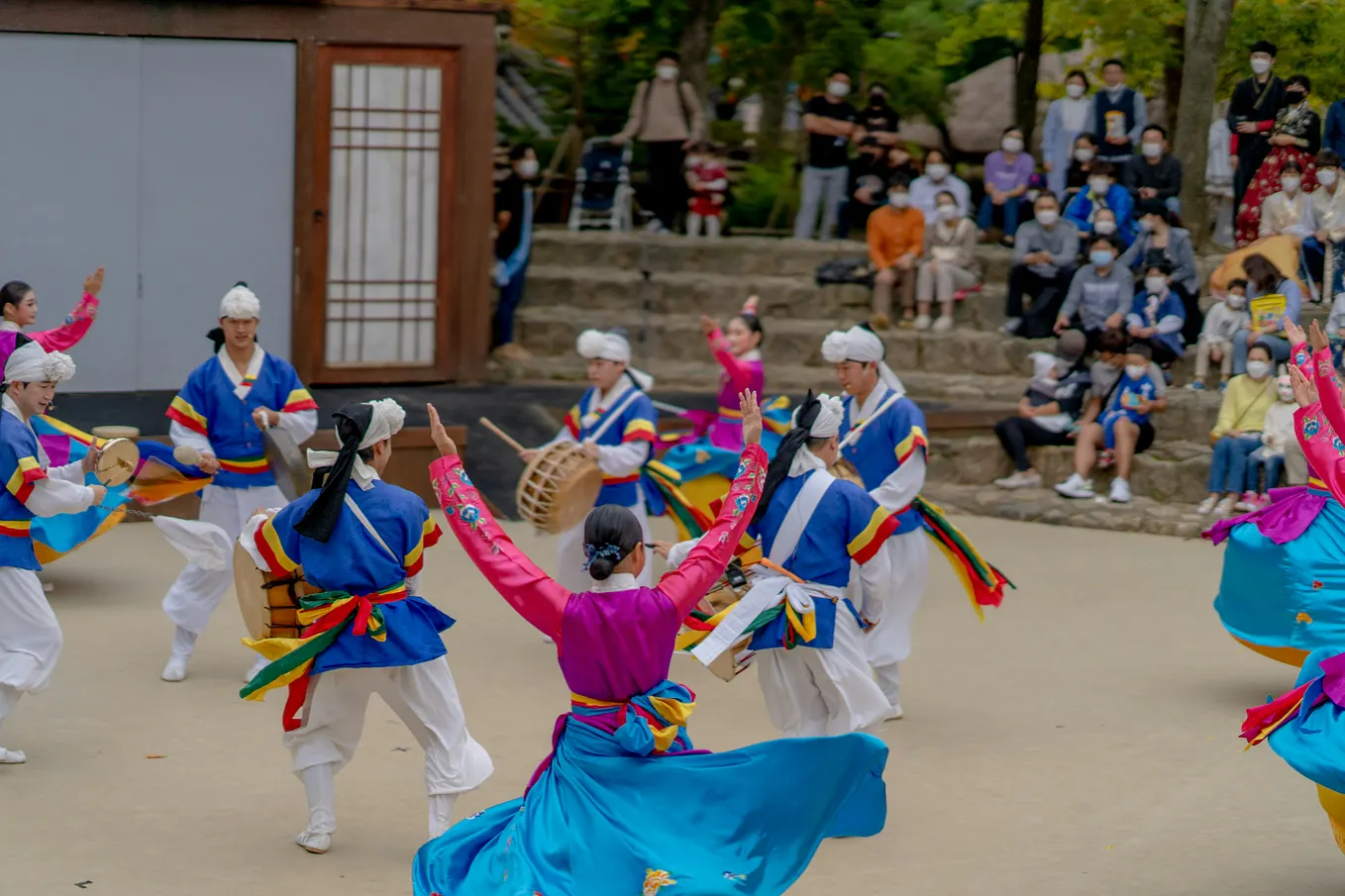
Song Sohee’s career took off in 2014 on a TV program called Immortal Songs, a show that seemed to bring a renaissance for gugak (traditional Korean music). She is particularly proficient in minyo (folk) style singing, precisely and skillfully weaving in the rough, throaty timbre and microtonal ornamentations commonly found in that type of Korean music with both traditional and fresh presentations that kept listeners and judges engaged. From this, she was ‘typecasted’ as ‘the traditional minyo singer’ for many years. GangGangSullae, released in 2024, encapsulates her skills not only as a folk singer, but also in her ability to reinterpret gugak music into modern settings. I personally feel her renditions do an excellent job, which is no surprise as her roots in the traditional styles run deep.
Beyond Traditional Folk
She broke free from this upon her release of“Not a Dream” in 2025, a song she first wrote and performed at the Yeowoorak Festival to debut her transition into a singer-songwriter beyond traditional Korean music. In an interview, she noted how she felt creatively restricted by being ‘typecast’ as a Korean folk singer, and took great efforts to expand her musical lexicon to move forward.
Since then, she has released more adventurous work, incorporating inspiration from other genres and elements from other countries’ folk-pop with her own background in gugak to create styles all her own. One particularly notable track I want to discuss here is “Hamba Kahle,” a track that clearly features inspirations of world music or folk pop beyond Korean tradition. The title track also seems to borrow a phrase from the Zulu language, though from both interviews and listenings I do not personally hear direct connections to traditional Zulu music on a deeper level.
Thoughts and Considerations
While I personally love the track, this brings me to my final point about Song Sohee and why I find her music and career so intriguing to follow: her trajectory as an artist encourages deliberation regarding fusion music and the diasporas involved.
Get Austin Eamnarangkool’s stories in your inbox
Join Medium for free to get updates from this writer.
Is “Hamba Kahle” an example of cultural appropriation? How should an artist who draws inspiration from the folk traditions of cultures beyond their own ethically source and reference them? If inspiration for fusions comes from an authentic place of creative exploration, how much should we hold artists accountable for potential ‘cultural appropriation’? Regardless of the answer, how do we track such things in such a rapidly changing, globalized world where it's so easy to be exposed to and influenced by cultures outside your own?
These types of questions immediately fill my mind when I listen to music like this. While I do not feel qualified to actually answer the above questions, I love considering them and having conversations about them. I believe that the very act of engaging in conversations about cultural sharing/borrowing and the nuances in it is what is important to begin with.
Resources for Further Deep Diving
https://www.sweetyhigh.com/read/song-sohee-parade-single-interview-061926