“Every Time a New Edition Comes Out, the OSR Grows”


In an interview I had for 50 Years of Fantasy with Matt Finch of Mythmere Games, he noted that, “Every time a new edition comes out, the OSR grows,” succinctly describing a growing trend towards a return to the roots of early role-playing games, especially by those from the more recent editions of Dungeons & Dragons (D&D).
The OSR movement, which gained momentum in the mid-2000s, seeks to revive the gameplay and style of early D&D editions, such as the Original Dungeons & Dragons (OD&D), Basic/Expert D&D (B/X), and Advanced Dungeons & Dragons (AD&D). These games are known for their emphasis on player creativity, improvisation, and high risk vs. reward dynamics rather than on lengthy rules manuals or pre-defined narratives. OSR games often feature straightforward mechanics, challenging combat, and sandbox-style adventures, inviting both players and referees to co-create the gaming experience.
New Editions and the Growth of the OSR

As noted by Finch, new editions of D&D frequently act as a catalyst for the OSR’s growth. But why does the OSR attract more followers with each new version of D&D?
Nostalgia and Player Ingenuity
Nostalgia plays a significant role in the OSR’s appeal. As new editions of D&D introduce more rules and options, some players yearn for the simplicity and clarity of earlier versions. These players remember a time when character creation was quick, combat was tense and dangerous, and the focus was on exploration and problem-solving rather than on following a pre-determined storyline or an endless array of player options. The OSR caters to this nostalgia, offering games that recall the early days of D&D, where imagination and improvisation were central.
Get Blake DeRusha’s stories in your inbox
Join Medium for free to get updates from this writer.
A large piece of this throwback community is also found in the “player ingenuity vs. character ability” argument. Whereas modern editions contain a wide array of abilities and skills for characters to employ in their adventures, effectively providing solutions to situations that would otherwise require critical thinking, early editions of D&D were much more focused on problem-solving. Players were encouraged — even required — to think their way past obstacles and come up with creative ways to resolve encounters that are, in modern editions, solved with a roll of the die.
A Response to Commercialization
Each new edition of D&D brings with it a host of supplements and expansions, which, while often innovative, can also lead to complexity and a sense of commercialization. For many players, the increasing number of rules and options can feel overwhelming or restrictive. The OSR provides an alternative to that by focusing on simple, flexible rules and encouraging creative freedom in adjudicating those rules. “Rulings, not rules” is a common staple of the genre.

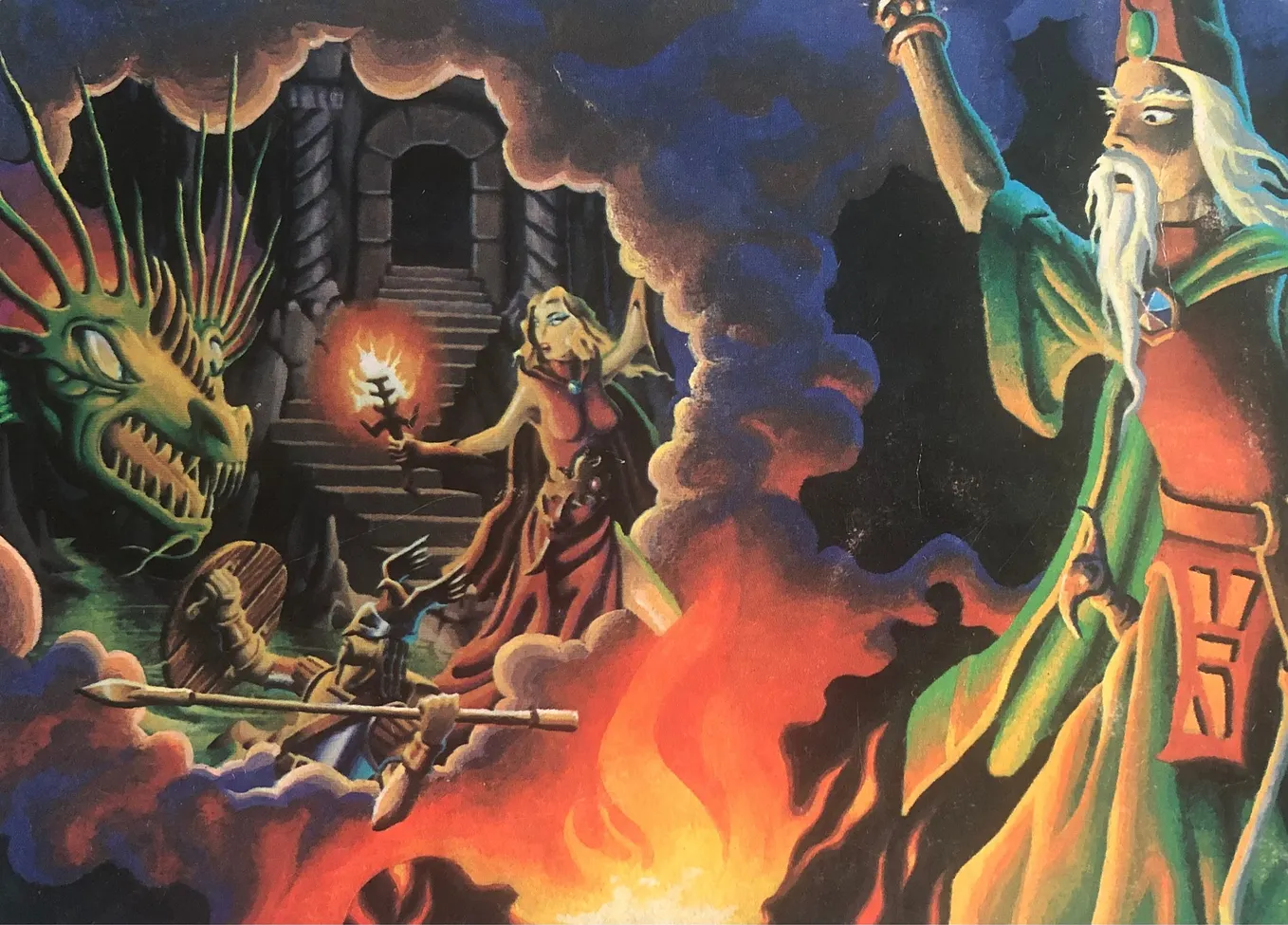
There’s also a heavy degree of production involved in newer editions that some feel detracts from the gritty atmosphere of daring and dangerous adventure they associate with the game. The bright, colorful, and increasingly whimsical art direction of modern editions, depicting adventurers as prevailing heroes, just fails to evoke that abiding sense of grim reality, in their eyes. Early artwork for the game was often somewhat crude, with an element of “unrefinement” that made the beholder feel as though he or she could’ve drawn this in the margins of their campaign notes. It also frequently painted a picture of adventurers as victims of the dungeons and monsters they were foolhardy enough to search after, putting the peril and horror of these deep, dark environments on full display.

Seeking Authenticity and Control
New editions remind players of the commercial aspects of the game’s development, with rules designed not only for gameplay but also for marketability. Analogs for the type of concepts found in video games exist in abundance, taking influence, in turn, from an industry it originally inspired. The removal of many of the game’s restrictions (while useful in bringing new players into the hobby with minimal fuss), often comes across as unrealistic and pandering to experienced players.
On the other hand, with newer editions geared towards introducing new players, the issue of “railroading” (where an adventure nullifies the impact of player choice in favor of adherence to plot) becomes more prevalent. The idea, I believe, was to provide a guided experience for these new entrants to the game, but such hand holding is seen as little more than an annoyance to older players.
The Broader Impact of the OSR

The OSR’s emphasis on authenticity, danger and peril, gritty artwork, and critical thinking has influenced newer games that do not necessarily identify as OSR. Many modern systems now incorporate elements of OSR design, such as streamlined mechanics, increased reliance on player ingenuity, and grim and risky gameplay.
Additionally, the OSR has sparked renewed interest in older D&D editions, leading to the creation of retro-clones — games that replicate the mechanics of early D&D while introducing new ideas. Titles such as Old-School Essentials by Gavin Norman and Dungeon Crawl Classics by Goodman Games exemplify this trend, providing a connection between traditional and contemporary role-playing games.
The Final Word
With new editions of Dungeons & Dragons serving as a guide for introducing new players to the world of roleplaying, as a whole, there is plenty of room open for expanding upon and pushing beyond that initial tutorial-style experience. Over the past decade, specifically, the OSR has filled that role with exponential success.

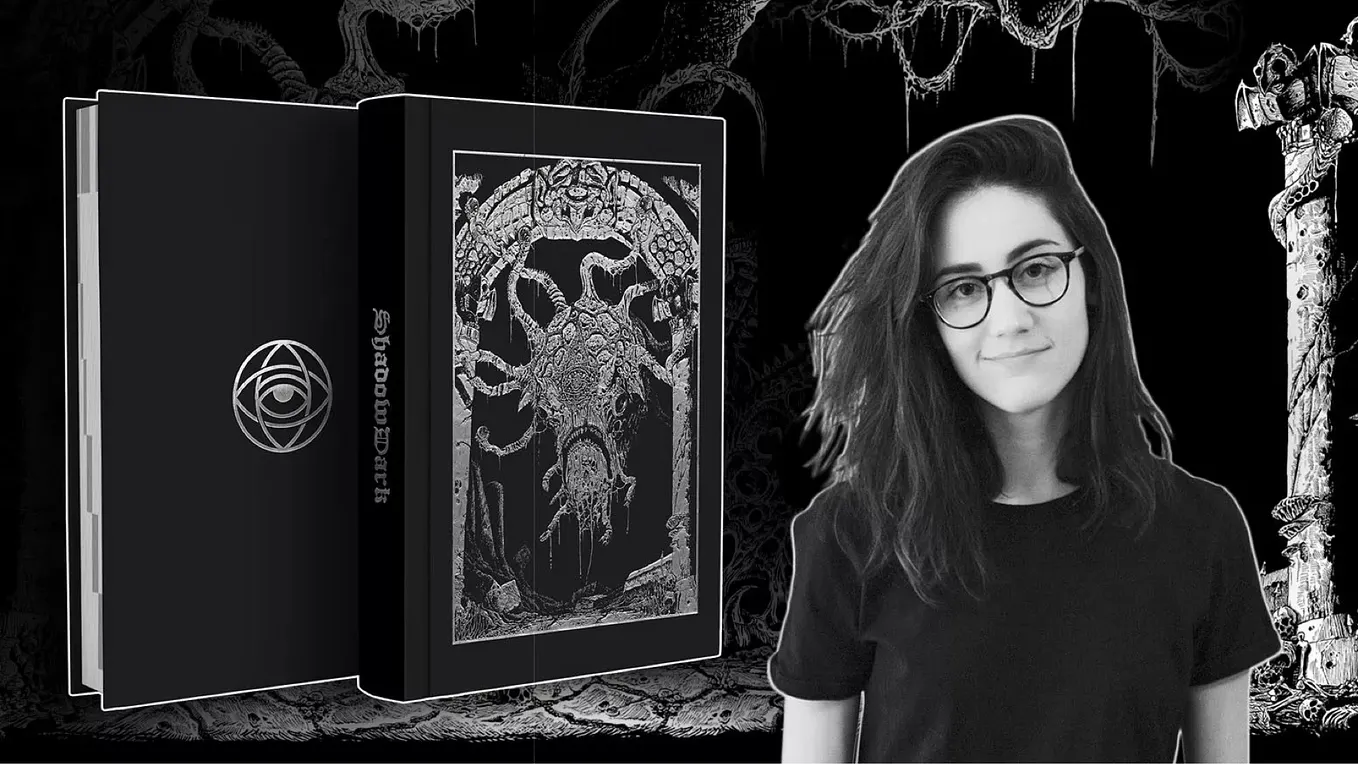
Kickstarters for games like Dolmenwood and Shadowdark netted over $1 million in funding, proving the demand for the old school is greater than ever! Year-over-year growth in this once niche community has launched it into the spotlight, and with the release of a new edition of D&D from WotC, I foresee another wave of OSR growth as players who have graduated from their days in 5E look back to discover new horizons.