Beyond the Big Picture, This is My Opinion
By Yoeum Yet
Indigenous Peoples are often identified as one of the most climate-vulnerable populations because their lives, livelihoods, and cultures depend closely on nature. That’s why we need more inclusive development design for climate actions to ensure that community problems have been addressed based on their need, not only the big group need.
What is in reality? Who are missing out?

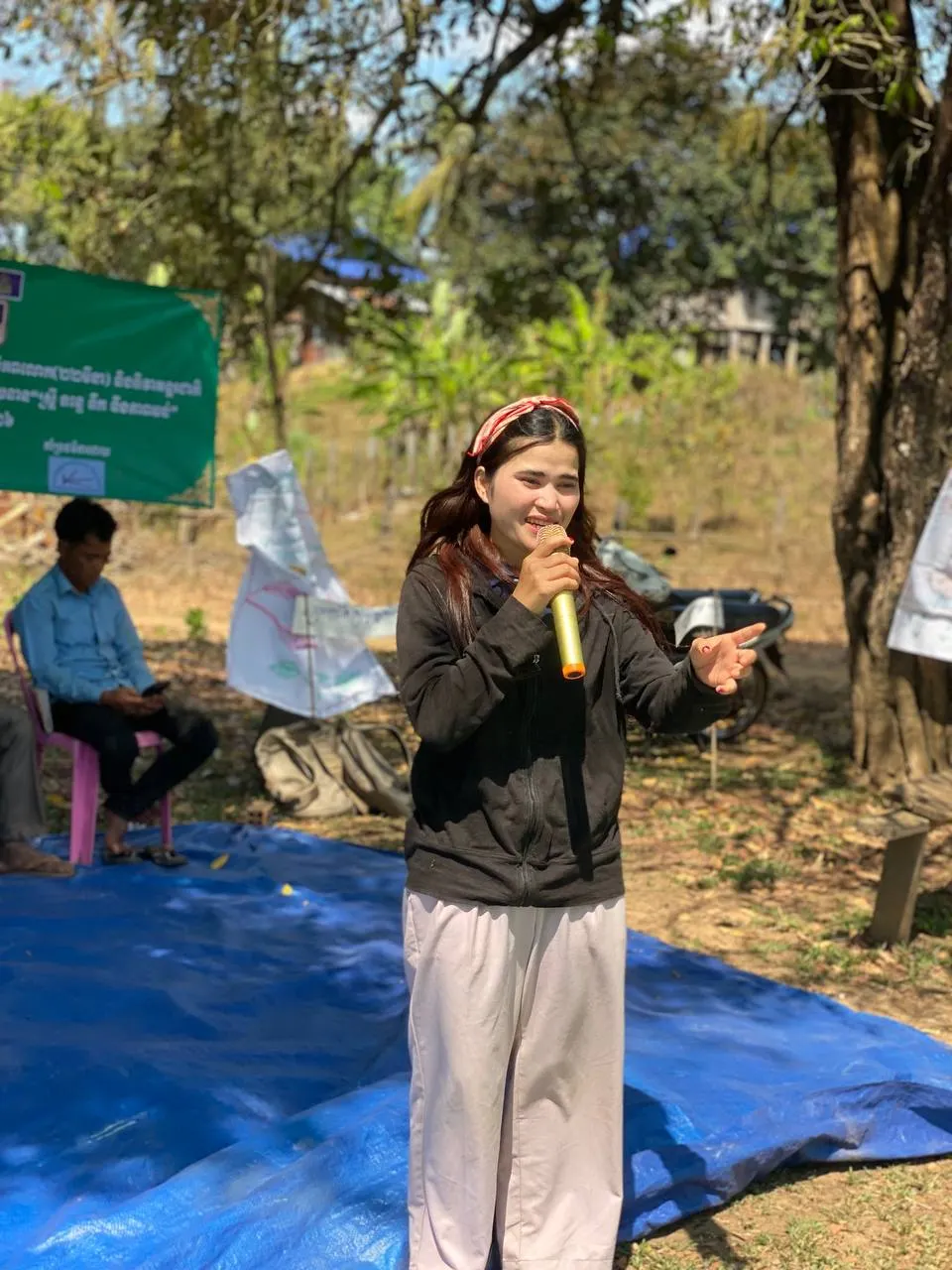
Working with them I have learnt something importnat. An Indigenous woman may spend more time collecting water as droughts worsen. An elder may hold traditional ecological knowledge that is essential for climate adaptation. Indigenous youth may want to lead climate action but have limited opportunities to participate in decision-making. A person with a disability may face barriers during disasters, while Indigenous people of diverse gender identities may experience exclusion from community consultations or recovery programs.
Get Bridge The Gap Cambodia’s stories in your inbox
Join Medium for free to get updates from this writer.
When climate projects overlook these differences, they risk benefiting some people while leaving others behind.
The SDG’s slogan “Leave No One Behind” has taught me that climate solutions must go beyond identifying Indigenous Peoples as a vulnerable group. They should recognize the diversity within Indigenous communities by considering gender, age, disability, and other intersecting identities. This means ensuring that different voices are heard, and everyone has equal access to training, resources, funding, and leadership opportunities.
To me, protecting forests and biodiversity is not enough if the people who depend on them are not equally supported. Therefore, it is significant to look deeper and asking more questions of who individually are going to face this global challenges.
Disclaimer: This is an opinion piece written by the author. The ideas and perspectives presented are based on the author’s experiences, reflections, and interpretation of available evidence. They do not necessarily represent the official views of Bridge The Gap, its partners, donors, or affiliated organizations.