Future of Comics: The Aftermath of AfterShock


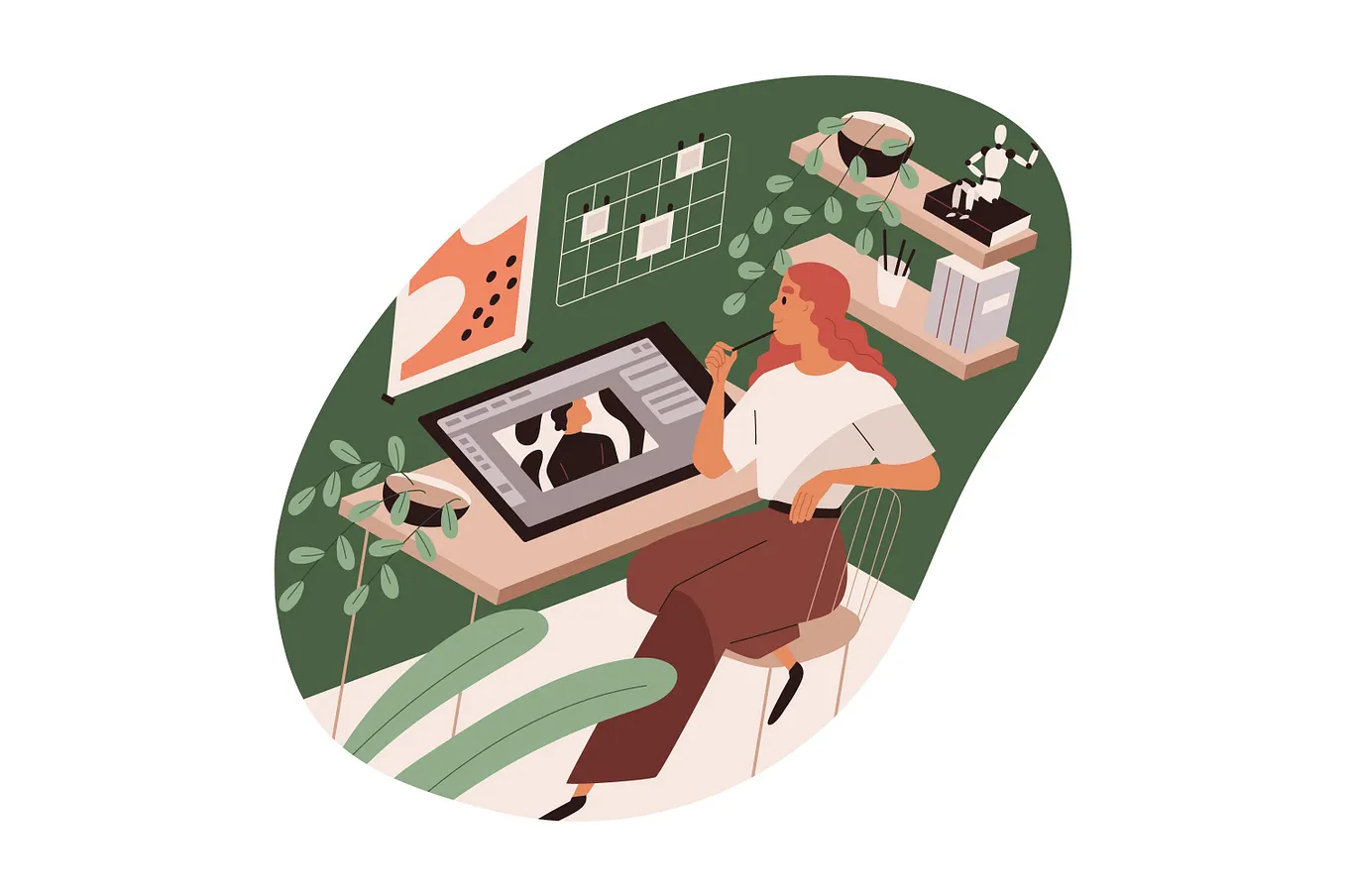
The bankruptcy of AfterShock Comics has sent shockwaves through the publishing industry, leaving many artists and creators wondering what the future holds. AfterShock, known for publishing critically acclaimed titles such as “Animosity” and “Babyteeth,” filed for Chapter 11 bankruptcy on December 19, citing financial difficulties.
However, the bankruptcy has also brought to light the longstanding issues within the comics industry, particularly the lack of financial security and support for artists. Many creators have come forward to share their experiences of not being paid by AfterShock, with some claiming they are owed thousands of dollars.
This problem extends far beyond AfterShock, as late or non-payment is a common issue many comic publishing creators face. The industry’s highly competitive and often risky nature can make it difficult for artists to advocate for themselves and secure fair compensation for their work.
The AfterShock bankruptcy serves as a wake-up call for the industry to address these systemic issues and prioritize the fair treatment of artists. Publishers need to prioritize ethical business practices and make a concerted effort to ensure that creators are fairly compensated for their hard work.
In the wake of the AfterShock bankruptcy, it’s more important than ever for the comics community to come together and support independent creators. This means purchasing comics directly from artists, supporting crowdfunding campaigns, and advocating for fair treatment within the industry.
For several reasons, contracted artists must keep their network of creators informed about their relationships with comic publishers. Firstly, it helps to create a sense of community and support within the industry. By sharing information and experiences, artists can help each other navigate the sometimes challenging world of comics publishing and advocate for fair treatment.
Get Britta Buescher’s stories in your inbox
Join Medium for free to get updates from this writer.
Secondly, keeping one’s network informed allows for a greater understanding of the state of the industry as a whole. This can be especially important for new creators entering the comics space, who may not clearly understand the various challenges and issues faced by those working within it.
The decline of Twitter as a platform for creators to share information and connect is a cause for concern, as it has historically been a valuable resource for artists to share updates on their work and experiences with publishers. Without a central hub for communication, it may be more difficult for artists to stay connected and informed about what’s happening within the industry. It’s crucial for new creators entering the comics space to be aware of this and seek alternative ways to connect with their peers and stay informed.
Publishers need to understand the symbiotic relationship they hold with their creators, as the success of a publisher is largely dependent on the talent and creativity of the artists and writers they work with. When publishers don’t hold up their end of the bargain, it not only hurts the individual creators who may not receive fair compensation or treatment, but it can also have a negative impact on comics publishing as a whole.
Artists and writers are the lifeblood of the industry, and when they are not treated with respect or given the support they need to do their best work, it can lead to a decline in the quality and diversity of comics being produced. This ultimately hurts both publishers and readers, as it limits the range of stories and perspectives being shared.
Publishers need to understand that a healthy and supportive relationship with their creators is essential to the long-term success of the industry. When they prioritize the fair treatment of artists and writers, everyone benefits.
As a member of the comics community, it’s up to all of us to do our part in creating a more sustainable and equitable industry. If you’re interested in learning more about how you can support independent creators, be sure to check out my website. Together, we can make a positive impact on the future of comics.
About the writer, Britta Buescher
Britta is a creative director, showrunner, and illustrator. Co-conspirators with creatives who involve themselves mainly (but not limited to) in the music and comic book industry. Previously with Dark Horse Comics, Lion Forge, FUNimation, and Nickelodeon. Superpowers include being a leading voice for women illustrators, designers, and animators.
Find more at www.brittabuescher.com
Instagram: @Britta_Buescher
Twitter: @Britta_Buescher