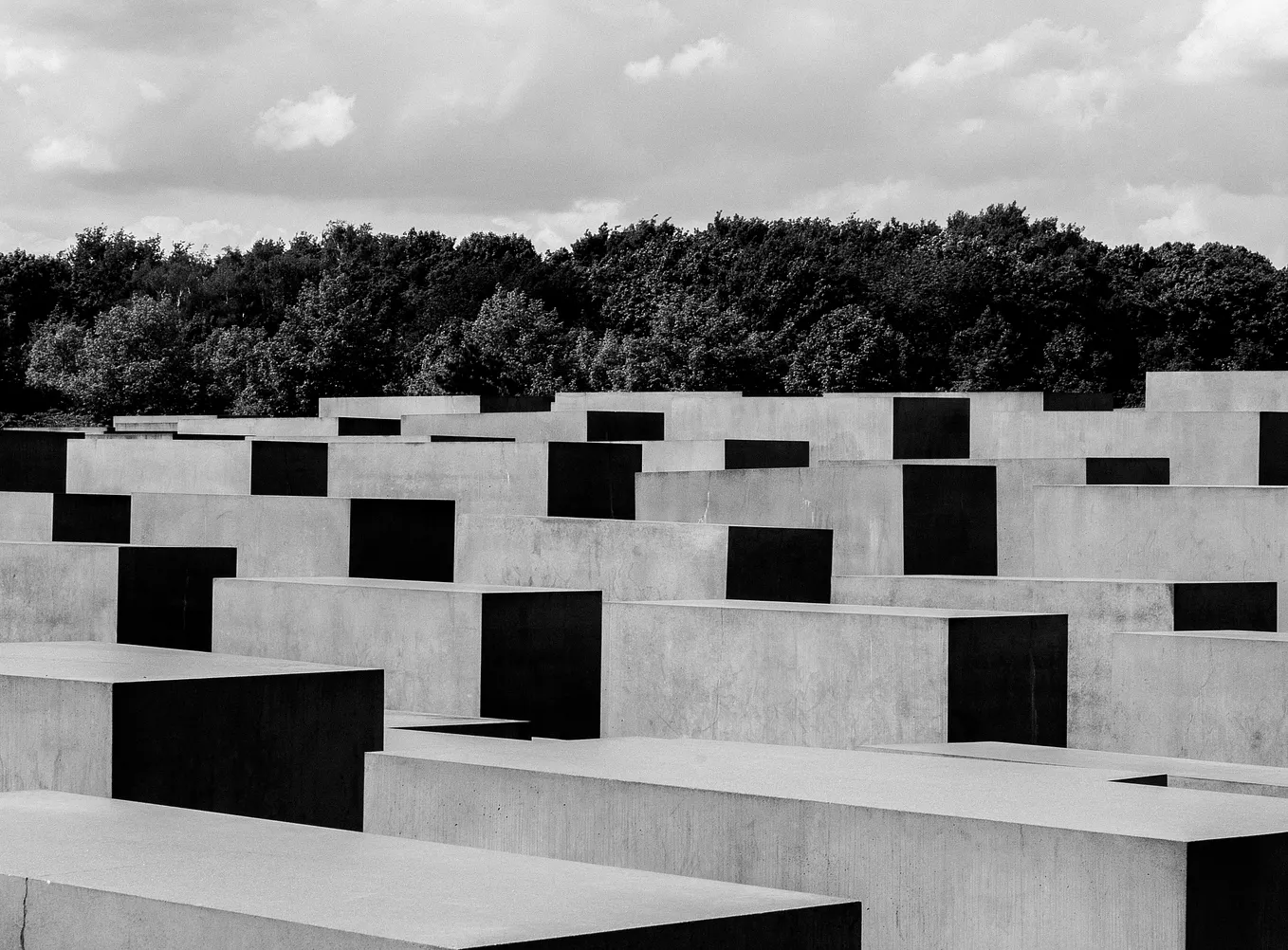
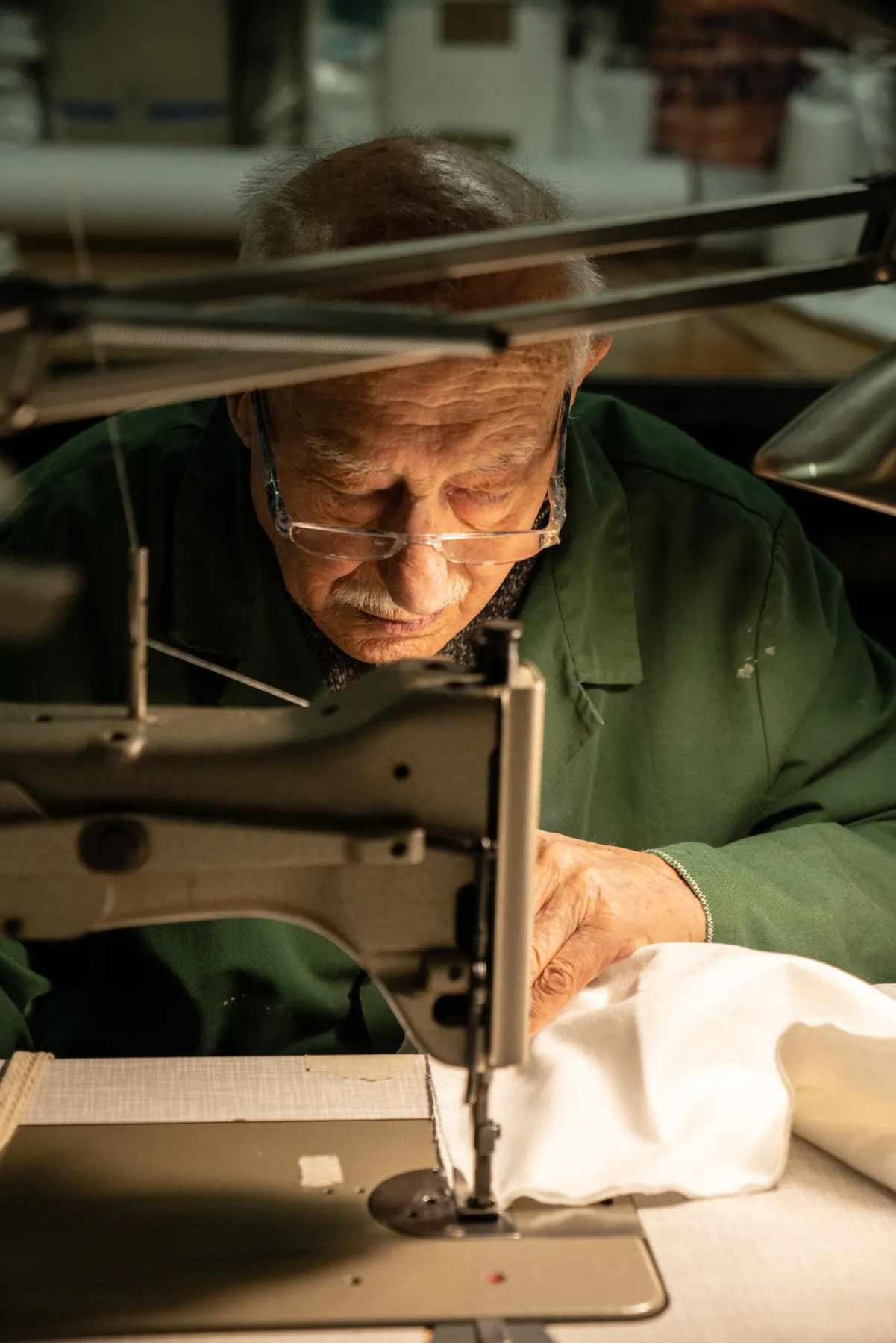
Designing spaces that foster Emotional connections

One of the most rewarding aspects of my work as an Architect is designing spaces that foster emotional connections. Our environments are more than just backdrops to our lives — they shape how we feel, think, and interact every day. When designed with intention, they can ground us, inspire us, and bring us a sense of peace in an otherwise chaotic world.
The Emotional Power of Space
Spaces have a profound impact on our emotional well-being. A thoughtfully designed home can evoke feelings of safety and warmth, while a dynamic workspace can inspire creativity and collaboration. The key lies in understanding how the interplay of materials, textures, light, and layout affects human emotions.
For instance, soft, natural materials like wood and linen create a sense of calm and comfort, while clean lines and open layouts promote clarity and focus. Incorporating these principles into a design allows us to shape not just the look of a space but the way it makes people feel.
Designing for Individual Lifestyles
No two people experience a space the same way. That’s why I believe that designing for emotional connection starts with understanding the unique needs and lifestyles of the people who will inhabit it.
When selecting furniture, materials, and layouts, I strive to create a sense of harmony that resonates with the individual. This could mean a cozy reading nook bathed in natural light for someone who loves books or an open kitchen layout for a family that thrives on shared meals and conversations.
Get Chiara Mennini’s stories in your inbox
Join Medium for free to get updates from this writer.
For a recent project, a client wanted their home to feel like a retreat from the bustle of city life. We used warm, earthy tones, natural fibers, and strategically placed greenery to create a sanctuary that feels both restorative and inviting.
Beyond Aesthetics: Spaces That Connect
Well-designed spaces offer more than visual appeal — they create moments of connection that enrich everyday life. Whether it’s a communal dining area that brings people together or a quiet corner for personal reflection, intentional design fosters relationships not just between people but also between people and their environment.
These moments of connection are what truly make a space feel alive. They allow us to slow down, be present, and appreciate the beauty around us.
The Role of Materials and Details
The choice of materials plays a pivotal role in fostering emotional connections. Sustainable, natural materials often carry a tactile quality that feels authentic and grounding. Smooth marble, soft wool, or textured wood surfaces invite touch and create a multi-sensory experience that enhances our connection to a space.
Details, too, matter. A piece of furniture with a story, a handwoven textile, or a carefully selected piece of art can evoke memories and emotions, making a space feel deeply personal. These elements help turn a house into a home, an office into a space of inspiration, or a public area into a place of belonging.
The Ripple effect of intentional design
When spaces are designed with emotional connection in mind, their impact ripples outward. A well-crafted home contributes to a person’s overall happiness and well-being, which, in turn, affects their relationships and daily interactions.
This ripple effect is why I’m passionate about creating spaces that aren’t just beautiful but meaningful. Intentional design is a powerful tool to improve not only how we live in our spaces but also how we connect with ourselves and others.Designing for emotional connection is about more than style or trends — it’s about crafting environments that nurture the soul. Spaces that align with our values and lifestyles can transform how we experience the world around us, making life richer and more fulfilling.
As an architect, I find deep joy in this process: taking the time to understand each client’s story and translating it into a space that feels truly theirs. After all, the best designs are not just seen — they are felt.