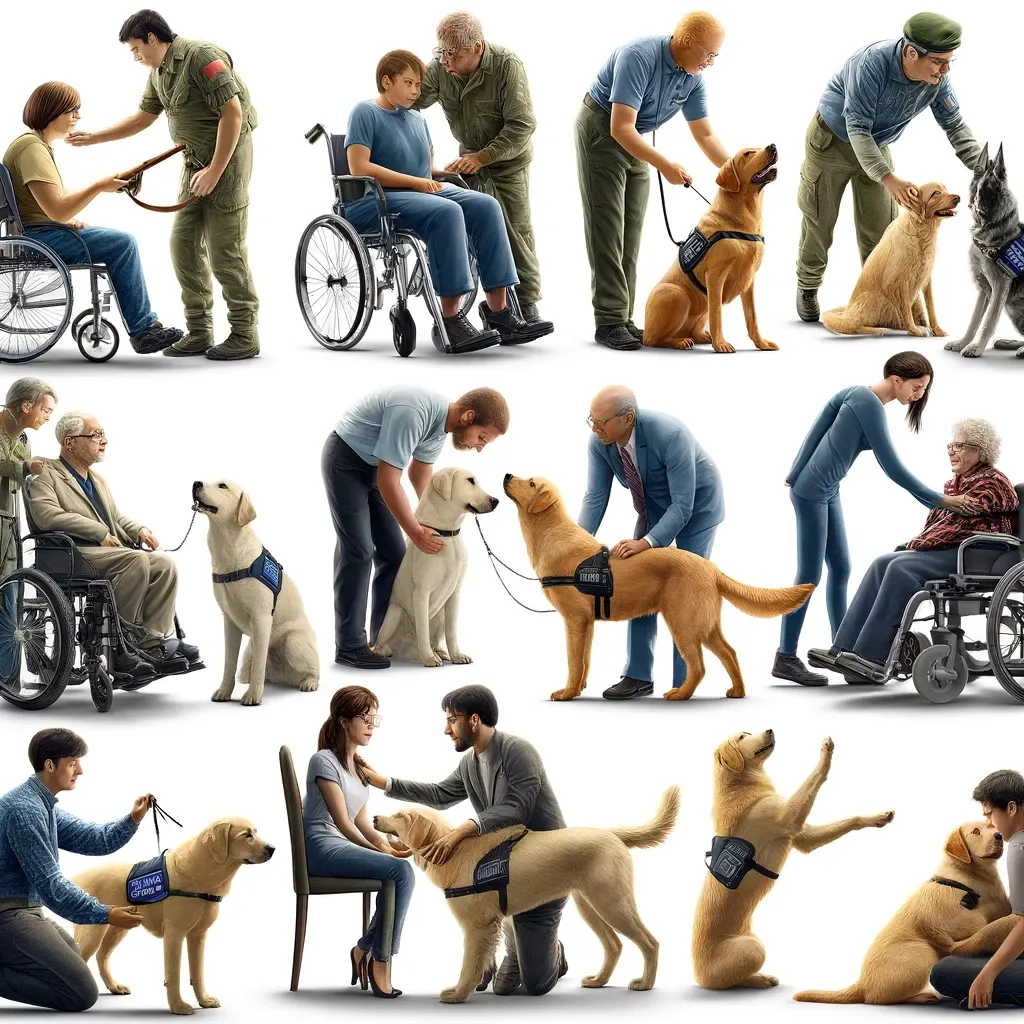
Decoding the Roles: Service Dogs vs. Emotional Support Dogs


Introduction: The Distinct Roles of Assistance Animals
When it comes to assistance animals, it’s crucial to differentiate between service dogs and emotional support dogs. Each serves a unique purpose and is subject to different training standards and legal protections.
Defining Service Dogs
Service dogs are specially trained to perform tasks for individuals with disabilities. These tasks can range from guiding people who are visually impaired to alerting those who are deaf, detecting seizures, or even assisting with mobility. Service dogs undergo extensive training to ensure they can handle their responsibilities in various environments.
Legal Entitlements for Service Dogs
Under the Americans with Disabilities Act (ADA), service dogs have broad public access rights. They can accompany their handlers in most public areas, including places where pets are not typically allowed, like restaurants, stores, and on public transportation.
Emotional Support Dogs: Comfort and Companionship
In contrast, emotional support dogs provide therapeutic benefits through companionship and affection. They help individuals with mental health conditions like depression, anxiety, or PTSD. Unlike service dogs, emotional support dogs are not trained for specific tasks related to a disability.
Differentiating Training and Rights
While service dogs undergo rigorous training for specific tasks, emotional support dogs do not require such specialized training. Moreover, emotional support dogs don’t have the same legal rights to access public places as service dogs. However, they are recognized under the Fair Housing Act, allowing them to reside in no-pet housing with their handlers.
Recognizing Each Dog’s Contribution
It’s important to recognize the significant role both service dogs and emotional support dogs play in the lives of their handlers. Service dogs are essential for navigating daily tasks, while emotional support dogs provide crucial emotional stability.
Conclusion: Respecting Each Dog’s Role
Understanding the difference between service dogs and emotional support dogs helps us appreciate and respect the distinct roles they play. While they have different training and legal rights, both are indispensable to their handlers’ wellbeing. Acknowledging these differences ensures that individuals who rely on these dogs receive the appropriate support and consideration.
Get Chris Roberts’s stories in your inbox
Join Medium for free to get updates from this writer.
For assistance with self-training a Service Dog, Click Here