Rome Revisited: Bread, Circuses, and the Coming Dark Ages

When historians look back at the twilight of Rome, they don’t see a single moment of collapse. They see a long unraveling — a civilization stretched past its limits, unable to sustain its own complexity. Cities decayed, trade shrank, and once-proud citizens became spectators rather than participants in their own fate. The emperors kept the crowds fed and entertained — panem et circenses — while the foundations of the empire rotted away.
It’s an old story, but it feels new again.
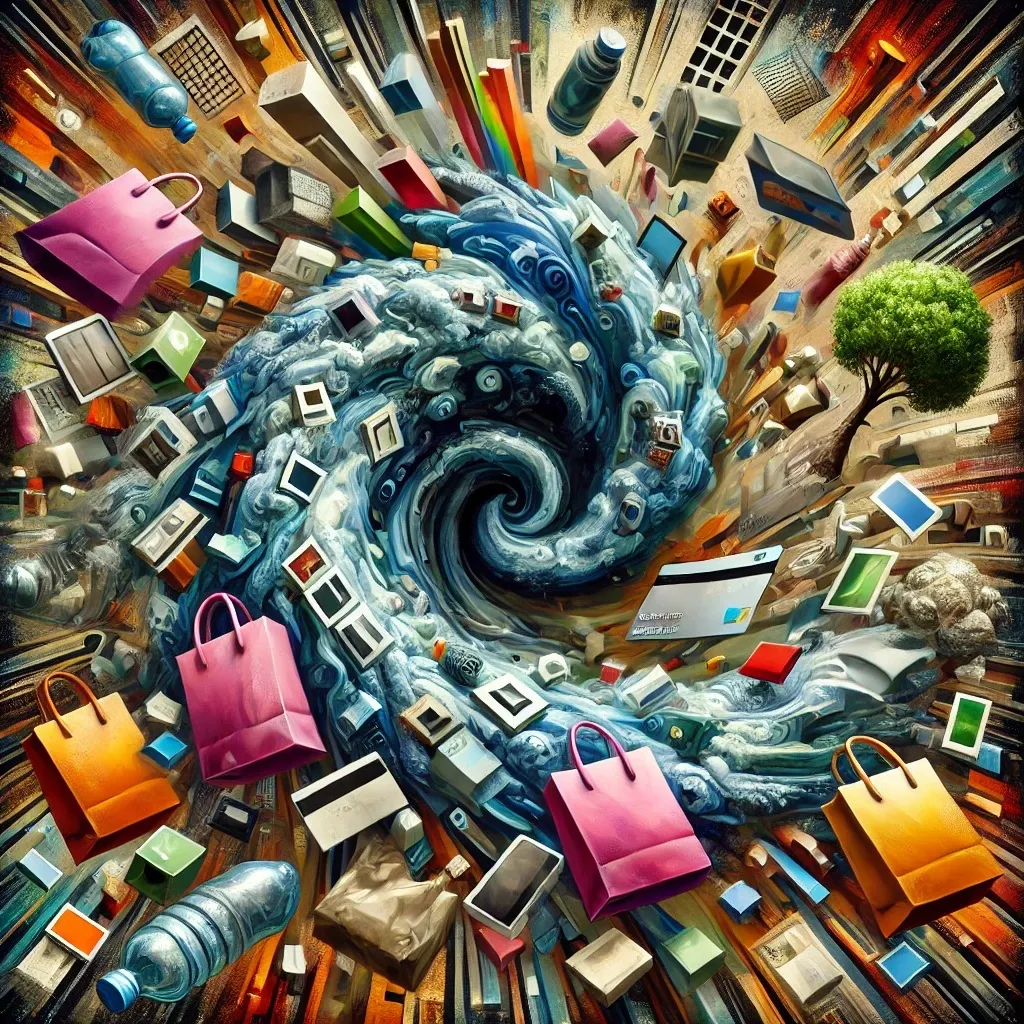
Today, the bread is cheap processed calories, and the circuses are endless scrolling feeds, algorithmic outrage, and hyperreal distractions. We are not so different from those late Romans lounging in the Colosseum stands, watching a grand spectacle while the aqueducts cracked and the frontier burned. Our gladiators are influencers, our emperors are CEOs and demagogues, and our state religion is consumerism.
Get Cole Burnham’s stories in your inbox
Join Medium for free to get updates from this writer.
The parallels go deeper. Rome’s economy depended on conquest — fresh lands, fresh slaves, fresh tribute — to keep the system running. When expansion ended, the mathematics turned against them. The empire could no longer pay for its armies or its bread. Sound familiar? We built a global empire of energy, finance, and digital dependence, and now the new frontiers are gone. Oil fields decline, debt piles up, and ecological systems strain under the weight of our consumption.
Collapse in Rome wasn’t a single apocalypse. It was a long descent: a century of crisis after crisis, reforms that failed, strongmen who promised renewal, and citizens who just wanted life to go back to normal. By the time the Western Empire fell, most people didn’t even notice — they were already living amid ruins, farming abandoned estates, trading trinkets for grain, worshiping new gods in crumbling temples.
We may be entering our own version of that age — not a Hollywood apocalypse, but a gradual retreat from complexity. The supply chains will fray, the currencies will lose credibility, and the digital bread and circuses will grow thinner as the power grids flicker. The noise will fade, and what will remain is the human question that every age must face anew: What is worth keeping?
The monasteries of the Middle Ages preserved not just books, but ways of living — habits of attention, craft, and community that could survive without empire. As we drift toward our own dark age, perhaps the task before us is similar: to shelter wisdom, to remember how to grow food and make things, to build small circles of trust amid the storm.
Rome’s ruins still stand as a warning, but also as a mirror. Civilization is not a permanent condition — it’s a fragile experiment. When the bread runs out and the circuses end, what will we choose to build in their place?