‘Lipstick’ or — Altering Appearances?


A 13 year old girl’s innocent crush on her older neighbour takes a decidedly more sinister tone when the body of a prostitute is discovered in the man’s apartment building. Initially the murder appears to be nothing more than a robbery gone wrong but the young girl, Silvana (Laura Vivaldi), had seen the object of her affection, Gino (Pierre Brice), leaving the scene of the crime and once Gino realises this he starts using her infatuation with him to ensure her devoted silence.
Is this a case of a love-struck schoolgirl protecting the innocent man she adores from being wrongfully accused or is Silvana having her crush manipulated to help a killer escape justice? Also, is a person’s credibility reliant on how they are perceived by society? And what happens when that perception is altered?
Considering the script for Damiano Damiani’s ‘Lipstick’ (1960), or ‘Il Rossetto’, was co-written by neo-realist legend Cesare Zavattini it’s not a surprise to discover that the focus here is less on the murder-mystery mechanics and more on the social and cultural conditions and environment surrounding it, specifically the mass media.
Get Colin Edwards’s stories in your inbox
Join Medium for free to get updates from this writer.
This is immediately apparent from the film’s opening credits, a furious montage of lurid magazine photos, tabloid headlines (the film was based on a true story), beauty contest winners and murder victims. It is the press giving the public what they want — glamour and death. Even the victim’s body is found next to a blaring TV set.
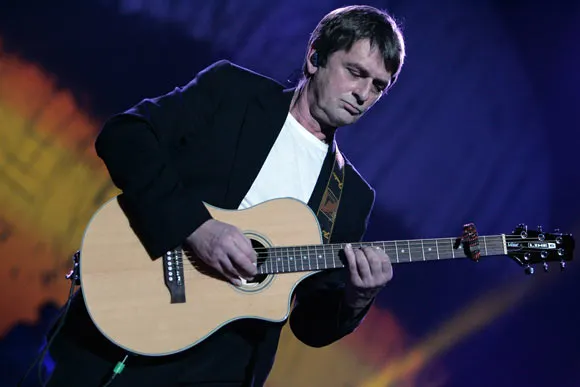
This aspect of being captivated by “fame” carries through to Silvana’s relationship with Gino. Gino is, by profession, a cosmetics salesman but he also plays the guitar, and as Silvana watches him practise his instrument from her room he’s framed by his window in such a way that he might as well be a poster of a pop star on her wall. So, is this a young girl smitten by the guy next door or is this more the youth of Italy being exploited by a system of parasocial relationships and the destruction of innocence? There’s a hell of a lot going on here, and it’s all still relevant today.
Writer/actor/director Pietro Germi essentially reprises in all but in name his police inspector role from his own ‘The Facts of Murder’ (1959), a similar murder-mystery where the investigation is a pretext for biting social critique. But, in a clever move by Damiani and Zavattini, Germi’s cynical inspector almost unintentionally becomes the film’s real villain!
‘Lipstick’ was Damiani’s directorial debut and it’s an extremely self-assured start to one of the great careers of Italian cinema. Compositions, blocking and framing are dense and dynamic but style never dominates “reality”. There’s still a few lingering hints of post war melodrama here (it might be the nuns and distraught mothers) but that’s something Damiani would soon eradicate entirely as his films became more overtly political.
‘Lipstick’ is excellent and one of the best debuts by a first time director I’ve seen, and from here Damiani would only get even better.