Tips for Caregivers to Overcome Grief and Loss

Here are some tips for caregiver to overcome the grief of losing the seniors.

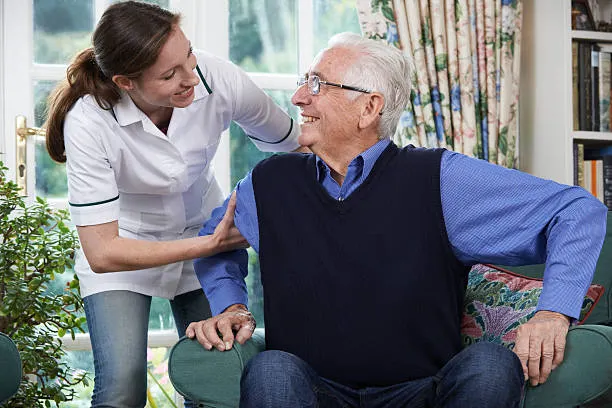
A caregiver is likely to form a bond with his senior clients. He spends major amount of time taking care of them, from managing their medicines to assisting them in daily tasks. But forming emotional ties some time ends up with grief for a caregiver when the senior dies.
A caregiver goes through various stages of the grief which are described by Elizabeth Kubler-Ross in his classic book, “On Death and Dying” as
- Denial (this isn’t happening to me!)
- Anger (why is this happening to me?)
- Bargaining (I promise I’ll be a better person if…)
- Depression (I don’t care anymore)
- Acceptance (I’m ready for whatever comes)
Dr. Roberta Temes has also stated the major stages of the behavior resulting from grief and loss in “Living with an Empty Chair” as…
- Numbness (mechanical functioning and social insulation)
- Disorganization (intensely painful feelings of loss)
- Reorganization (re-entry into a more ‘normal’ social life)
The grief is often characterized by sadness, emotional pain, and introspection in adults. Remember, you should move on to provide your care services efficiently to other clients.
Get Community First’s stories in your inbox
Join Medium for free to get updates from this writer.
True. It is hard to overcome pain and sorrow. But it is not impossible.
Here are some tips for caregiver to deal with the grief of their senior’s death.
- Go easy with the process. You have to try to come out of this situation by accepting the truth of mortality. Try to accept that once who “goes” will never come back.
- Reading religious scriptures can also help you move on. For example, the Gita will preach you the importance of life, life after death, karma, and other aspects.
- Acknowledging your feelings — negative and positive — can help you deal better with your plight. Read, get support, interact with people, or do whatever is soothing for you.