Intro to Data Recruitment

You could be forgiven for thinking data folk are simply the employees who look after a company’s information and present this to various stakeholders — there’s a lot more to it than that!
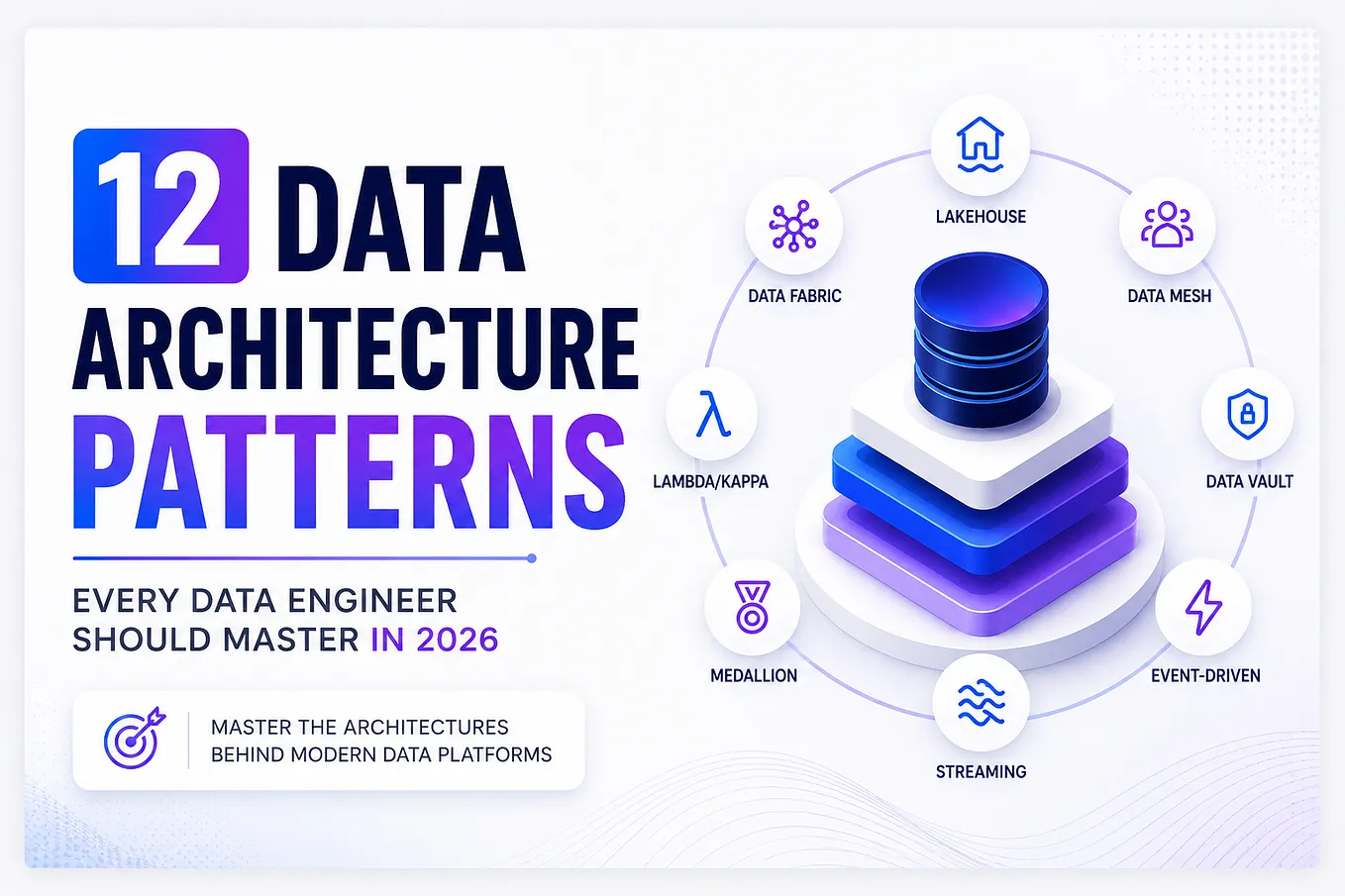
We can split data recruitment into three core areas; data engineering, data analysis and data science.
Data Engineering
This is everything that goes on before an analyst or data scientist can perform their roles.
Think along the lines of what a backend software engineer does. However this person will also concentrate on data manipulation and building data pipelines for the relevant information to flow through the business. This involves extracting the original information and then channelling that into the business — extract, transform, load (ETL).
“Data engineering is the process of designing and building systems that let people collect and analyse raw data from multiple sources and formats. These systems empower people to find practical applications of the data, which businesses can use to thrive.” https://tinyurl.com/4yvc5pmh
When searching for data engineers, you’ll find many come from a software engineering background. Use this knowledge to expand your search and to read through what someone has been doing in their role, rather than searching for a job title alone.
Example Tools — Python, Java, Scala, SQL, Cloud Data Storage; Amazon S3, Google Cloud Storage, Azure Data Lake Storage.
Data Analysis
The best way to think of this is a snapshot in time. What does the information we have now tell us? The data will be from various sources such as customer information, 3rd party data etc.
Data analysts gather and interrogate data using specialist tools to generate information that helps stakeholders make decisions — looking for trends, patterns and anomalies within it.
An analyst will illustrate their findings to non technical stakeholders via strong communication skills and visualising the data. This can be in the form of charts, dashboards and infographics. Essentially, they bring numbers from a spreadsheet to life, in an easy to digest way. Another benefit of data analysts is they can allow their dashboards to be interactive with the audience e.g. allowing a board member to drill down into the data by choosing various filters.
You may also find these people are called BI Analysts, MI Analysts & Data Visualisation Analysts.
Get Daniel Holden’s stories in your inbox
Join Medium for free to get updates from this writer.
Example Tools — Power BI, Tableau, Python, Excel, SQL
Data Science
What does the future hold? A data scientist is the person in a business who can answer more complex questions around the how & why, and what a company should do to achieve their goals.
Whilst some will also create dashboards similar to a data analyst, they will use their deep understanding of statistics to model and explore hypotheticals for further analysis. From here they are able to forecast using historical data and use this to help steer the business in a given direction.
“Data science is the domain of study that deals with vast volumes of data using modern tools and techniques to find unseen patterns, derive meaningful information, and make business decisions. Data science uses complex machine learning algorithms to build predictive models.” https://tinyurl.com/4kmm4u58
Their data will come both structured from a data engineer, or unstructured. If the latter, a data scientist will use their own modelling skills to extract and cleanse data from the data lake / data warehouse. This is often driven from either the quality of the environment or by wanting more raw information for their models.
Data scientists will come from a strong Mathematics/Statistics background. You can find insight analysts who have moved into data science. Due to the software engineering components of the role, you will also find other engineers who then focus upon data science.
Example Tools — Python, R, Spark, SQL
What have we not covered?
- Data Governance. Other titles include Data Quality and Data Management.
- Database Administrators (DBA).
- Machine Learning (ML). Closely aligned to Data Science, ML now is treated as its own domain.
- Artificial Intelligence (AI).
Further research..
Youtube, Udemy, DataCamp.
Data Engineering video — https://www.youtube.com/watch?v=qWru-b6m030
Data Analyst video — https://youtu.be/ywZXpfdqg1o
Data Scientist video — https://www.youtube.com/watch?v=RBSUwFGa6Fk