My Norwegian Roots


A New Writing Journey: My Norwegian Roots
Don Southerton
Alongside my Connected manuscript and my Making of a Writer essay, I’ve started a new writing project. Here is an early draft.
I enjoy Nordic folk music, sometimes called Viking folk or Rock. I’m listening to it as I draft.
My university studies required a course in Immigration and Ethnicity, which I later taught. It traced the waves of people who came to America, including the Scandinavians.
Now I’m digging into my own Norwegian roots. Records show that about one-third of Norway’s population emigrated to the United States between 1825 and 1925. Only Ireland lost a larger share of its people.
Many, like my ancestors, settled in the rural Northern Midwest.
Why did they leave? My family research points to land and opportunity. Many became homesteaders. In Norway, custom gave the family farm to the oldest son. Younger sons worked for a brother or left, which may explain why so many emigrated.
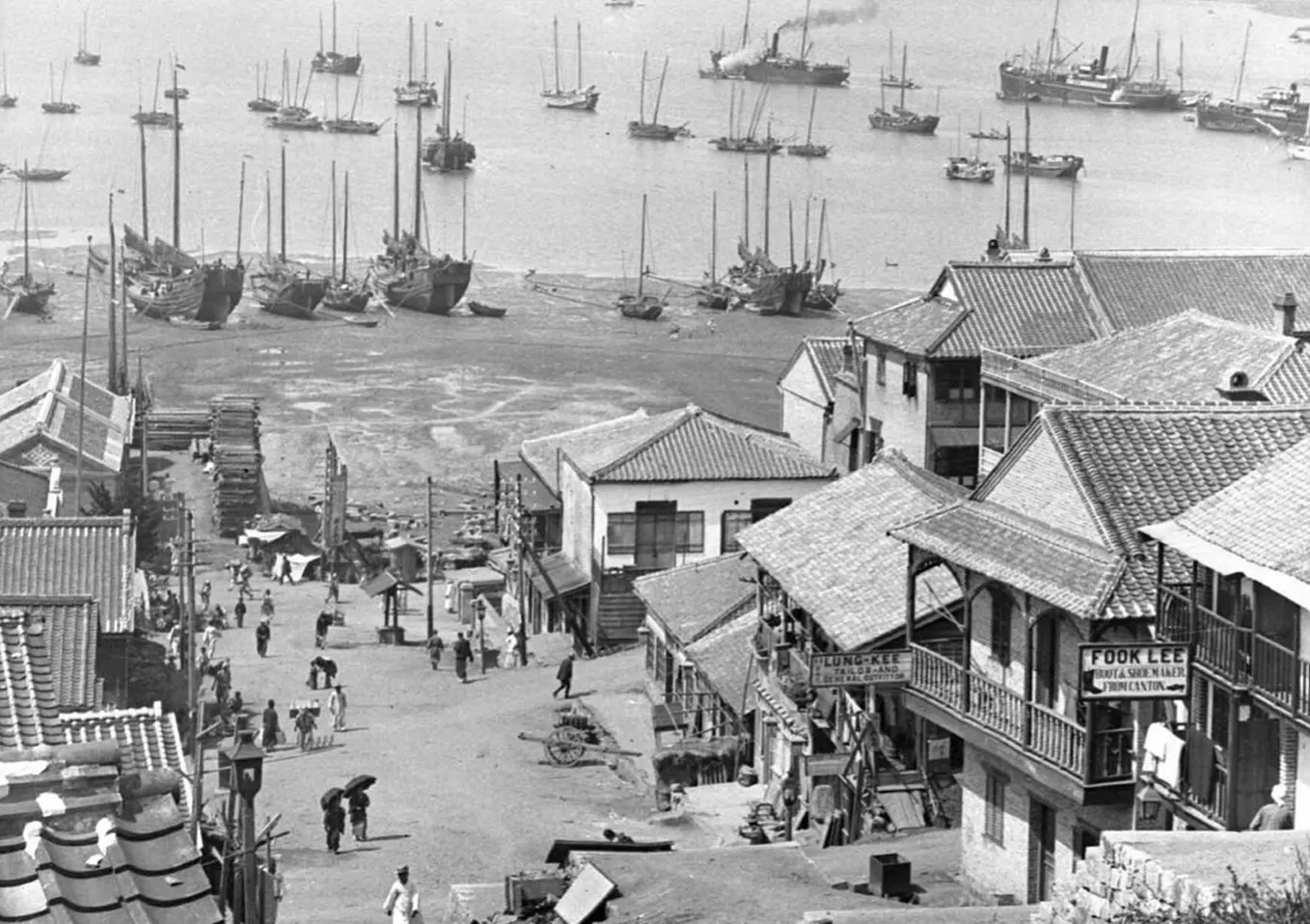
How did they get here? In the first immigration wave, ships left Norway’s main ports every spring, usually bound for New York or Quebec. Those headed for the Midwest continued west by boat through the Great Lakes to cities like Chicago.
Later generations mostly took feeder ships from Norway’s coastal ports to Britain, crossed by train to departure ports like Liverpool, then boarded steamships for the Atlantic crossing to North America. From there, most were funneled to Midwestern rail hubs.
Viking culture appeals to me. Maybe it’s the self-reliance, balanced by strong community ties.
Get Don Southerton’s stories in your inbox
Join Medium for free to get updates from this writer.
And the music? Mesmerizing.
https://music.apple.com/us/album/frost-ok-bl%C3%B3%C3%B0-alternative-version/6793294529?i=6793294539
Join me on this writer’s journey, my next endeavor.
Trained as a cultural historian, I’ve rooted my work in American history and Korean studies. Growing up, my English heritage was downplayed. My paternal grandmother’s side kept German food traditions alive. Add to that my mother’s upbringing on a homestead in South Dakota. My Norwegian roots run through my mother’s side of the family, specifically through my great-grandfather Albert Larsen. He was born in Norway on August 29, 1851, and came to America in 1854 as a toddler. As a child immigrant, he likely became a citizen through his father. Albert died on January 29, 1936, and was buried in Woodlawn Cemetery in Sioux Falls.
Albert’s parents made the crossing in 1854, in the sailing-ship era before the great immigration waves. The first Norwegians in the Midwest settled in Illinois and Wisconsin, then Iowa and Minnesota, and later the Dakotas.
Following this path, Albert moved west to Dakota Territory around 1879 and homesteaded in Minnehaha County, Township 104, Range 52, near Clear Lake and Humboldt townships. His land patent was issued in 1886.
He and his wife, Clara (born Clarissa Williams in England in 1855), reared ten children. Seven of them later moved farther west and filed land claims under the Homestead Act on an area called 71 Table, near the town of Scenic, South Dakota.
This section of land was named 71 Table because many of the horses roaming these open plains carried a local rancher’s “71” brand. Table, or tableland, was a common term for a plateau.
Norway Patronymic 101
Family tree records list Albert’s father as Berge Baker Larsen, born 1816, and his mother as Jensena Josephine Peterson, born 1825.
In old Norway, most rural families had no fixed surname. Berge Larsen simply meant Berge, son of Lars. Jensena’s father was a Peder, so in Norway she would have been Jensine Pedersdatter (datter means daughter). By the same custom, Albert would have been Albert Bergesen.
Then there is “Baker.” It may be the family’s farm name, Americanized from Bakke or Bakken, both common Norwegian farm names. The farm name was more of an address than a family name. If someone moved to another farm, they usually took that farm’s name.
Albert and Clara named their first son Adelbert Baker Larsen.