Honestly, I don’t know when we got so used to this.
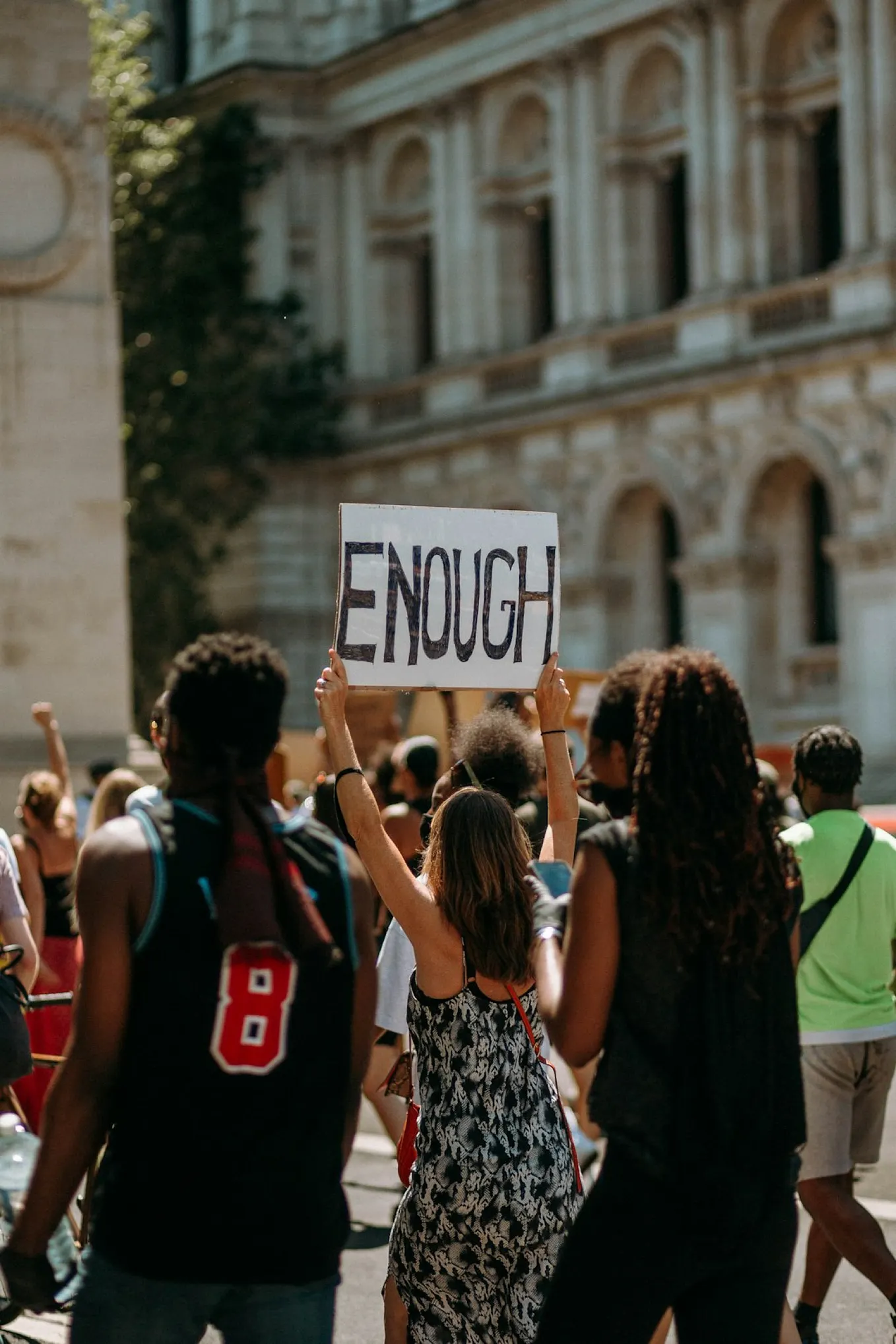
People question the SIR process, raise concerns about voter deletions and ask the Election Commission for answers. They protest, and somehow, the conversation becomes about them. Their intentions, their politics, whether they should even be out on the streets.
But what about the questions that brought them there in the first place? Why does that part always seem to get lost?
Let’s be clear. Voter lists need to be accurate. Nobody is arguing otherwise. But what happens when a genuine voter’s name disappears? What happens when someone turns up to vote and finds out they can’t? Who takes responsibility? And why should an ordinary citizen have to run from office to office to prove they’re entitled to a vote in the first place?
These are perfectly reasonable questions. So why does asking them become such a problem?
The Election Commission cannot expect to be above scrutiny. We talk so much about its independence, but independence doesn’t mean immunity from criticism. If anything, an institution responsible for overseeing our elections should be able to answer questions about how that process works. That’s not an attack. That’s accountability. Why are we treating it like one?
And then there are the protests and the reported detentions in Delhi. People are raising concerns about something as fundamental as their voting rights, and we’re left debating whether they should have been protesting at all.
Of course, public order matters. There are laws, and there can be legitimate reasons to impose restrictions. But those decisions need to be justified too. We cannot keep using law and order to shut down a conversation every time people challenge those in power.
Since when did asking questions become more threatening than the possibility of getting things wrong?
What really gets to me is how quickly criticism gets turned into disloyalty. Question the government, and someone will suggest you’re against the country. Question an institution, and suddenly you’re accused of trying to destroy it.
Really, since when did these become the same thing?
This country doesn’t belong to whichever government happens to be in power. Governments change. Parties come and go. The country belongs to its people, and people have every right to question those who govern them.

Freedom of speech and the right to protest peacefully aren’t favours politicians hand out when they’re in the mood to listen. They’re constitutional rights. Yes, there are limits under the law, but there’s a difference between maintaining public order and making people feel that speaking up simply isn’t worth the trouble.
And honestly, I think we need to look at ourselves here, too.
We love a protest when we agree with it. We share the pictures, applaud the people on the streets and call them brave. But let those same people question a government we support, and suddenly we have a list of reasons why they should have protested differently, somewhere else, at some other time.
We always seem to find a justification. Except for letting people disagree.
I’m not saying every protester is right or every allegation about SIR is true. That would be just as irresponsible as dismissing every concern without looking into it. But surely we can agree on one thing: allegations should be examined, genuine errors should be corrected, and people deserve clear answers.
Get Bee!!’s stories in your inbox
Join Medium for free to get updates from this writer.
If eligible voters have been wrongly excluded, fix it. If the allegations are unfounded, explain why and show the evidence. If the process is fair, make sure people understand how it works and what they can do if something goes wrong.
Why should any of this be so difficult?
And what exactly is the government afraid of? I don’t pretend to know what’s going on in anyone’s mind, but it’s a fair question when protests are met with restrictions and detentions. Is it the criticism? The loss of public trust? Or simply the discomfort of having to defend decisions that people don’t agree with?
Whatever the answer, asking people to stop questioning things isn’t going to make those questions disappear.
What worries me even more is how quickly we move on. We read about detentions, argue over which party is to blame, defend our side and get on with our day.
Until it happens again.
And somewhere along the way, we forget that this is bigger than party politics. Today, it might be someone else’s right to protest, someone else’s name missing from a voter list, someone else’s voice being dismissed. Tomorrow, it could affect someone you know. It could affect you.
Democracy isn’t just about voting every five years and then leaving everything else to the people we’ve elected. It’s about what happens in between. It’s about being able to question decisions, demand transparency and disagree with those in power without having to prove our patriotism every single time.
And if questioning the government means we must first prove that we love our country, then something has gone seriously wrong.
The Election Commission is supposed to make sure our elections are fair, and the government is supposed to answer to us. Why are we made to feel like we’re asking for too much when we expect both to do their jobs?
Because trust cannot simply be demanded. It has to be earned.
Our votes are not a favour. Our voices are not a nuisance. And our constitutional rights don’t become less important just because the people exercising them happen to disagree with those in power.
I would much rather live in a country where people ask uncomfortable questions than one where they’ve learnt to keep quiet because it’s easier, safer or simply less exhausting.
That doesn’t mean every protest is right or every institution is wrong. It means people must be allowed to question, and those in power must be prepared to answer.
Is that really too much to ask?
What’s the point of calling ourselves a democracy if everyone is expected to just nod along? People should be able to disagree with the government without wondering what kind of trouble they’ll get into for saying it out loud.
You know what actually scares me? Not that people are protesting, but that we’re getting so used to seeing people silenced that we barely stop to question it anymore.
And that’s not normal. It shouldn’t be.
Democracy does not belong to the government of the day. The government is accountable to the democracy that belongs to the people.