Breaking Barriers: The Bold Move to Diversify Advanced Education


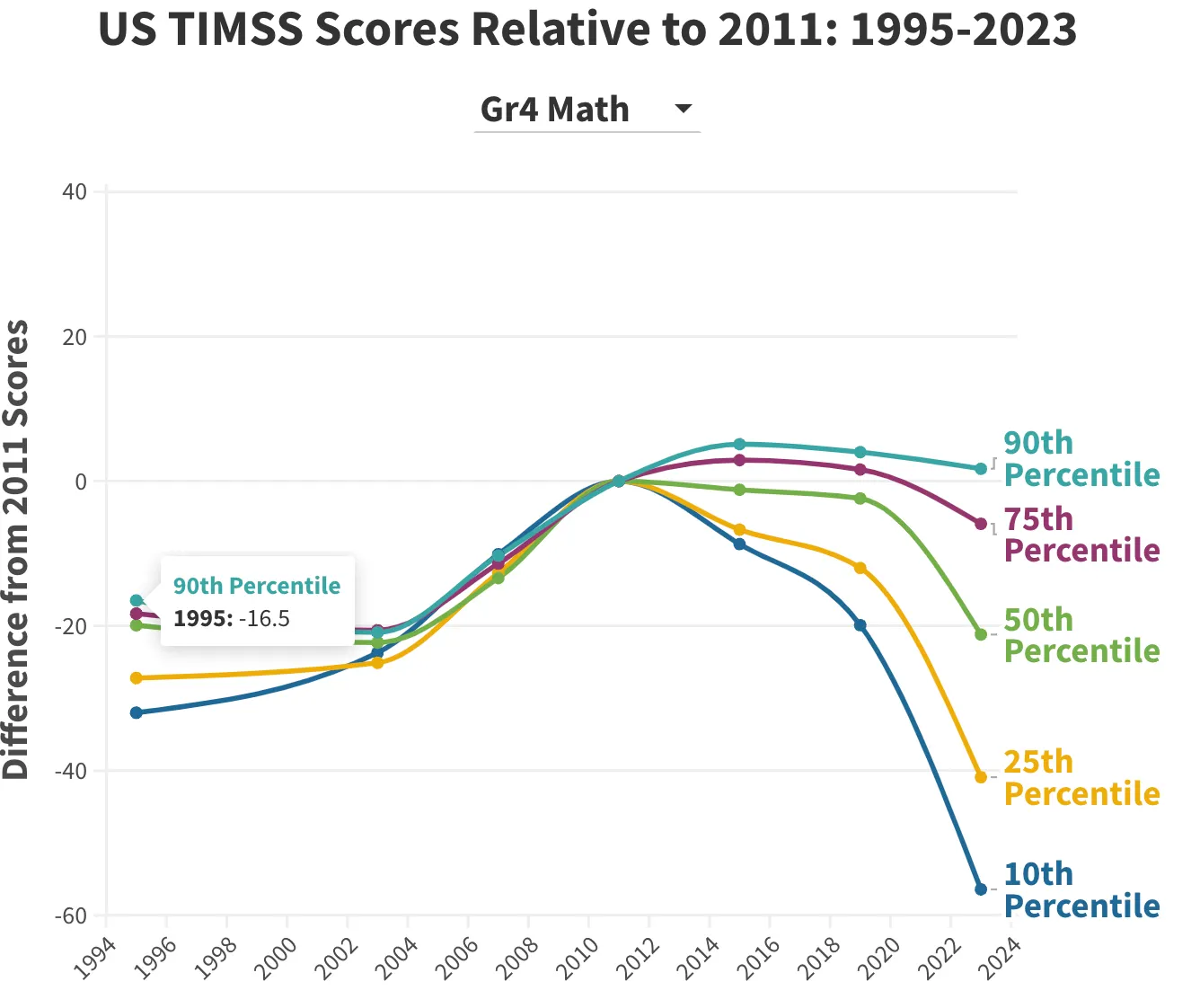
I recently read that Denton Independent School District in Texas is making strides to improve access to honors courses for Black, Latino, and low socioeconomic status students. The district is tackling a complex and long-standing issue — ensuring equitable access to advanced academic opportunities. As it proposes changes to the student identification and referral process, Denton’s efforts highlight a broader challenge that many school systems face: closing the achievement gap in high-ability programs. The data shows that these gaps start early, making it crucial to address disparities in student advancement as early as kindergarten.
The Research: Early Gaps in Achievement
Studies have shown that racial disparities in advanced academic skills emerge as early as kindergarten. According to a 2022 study by Paul Morgan, 13% of white students and 16% of Asian students show advanced math skills in kindergarten, compared to just 4% of Black and Hispanic students. By fifth grade, these disparities persist and even widen, with 22% of Asian students and 13% of white students demonstrating advanced math skills, while only 2% of Black and 3% of Hispanic students do the same.
Get Dr. Patrick H. Jones II’s stories in your inbox
Join Medium for free to get updates from this writer.
This pattern suggests that students from traditionally underrepresented groups might not have access to high-quality and challenging curricula that nurture their giftedness. This lack of true high ability access can also be seen as elite math competitions struggle to diversify their talent pools as well. The decline in numbers for Black and Latino students who are identified as high-ability indicates a systemic issue. The early years in education are pivotal, and if high-quality opportunities for learning are not provided equitably, students’ academic potential may go unrecognized.
Bias in High School Referrals
The issue extends into high school. A 2016 study by Dania V. Francis found that Black female students were recommended for Advanced Placement (AP) Calculus classes at a significantly lower rate than their white or male peers, even with similar academic performance and behavior. Nearly 100% of other groups were recommended for AP classes when they met the criteria, while Black female students were recommended only 79% of the time. At the lower qualification levels, the disparities were even more pronounced: 71% of white female students were recommended compared to just 50% of Black female students. This data indicates that implicit biases continue to shape educational opportunities, influencing who gets access to advanced courses.
A Path Forward for Denton and Beyond
While the challenges are clear, there is hope. If districts like Denton commit to addressing these disparities through systemic changes, progress is possible. Research and historical evidence show that high-quality instruction, inclusive curricula, and family support are essential for increasing participation in high-ability programs. Educators and administrators must also focus on fostering an environment that celebrates the giftedness of every child.
At Exponentia Prime, we believe in instilling the joy of problem-solving in all students. This starts with introducing games and challenges that make learning engaging and stimulate curiosity. To ensure students remain on the path to academic excellence, it is vital to integrate competition-level problems into the standard curriculum. This approach familiarizes students with complex challenges, making it easier for them to adapt to higher-level math and science courses. In addition, we do believe in lots of practice. We call it training. Intentional practice and repetition are key components of our methodology. By working through a high volume of problems, students develop the automaticity necessary to engage in meaningful problems without being bogged down by the algorithm.

Building a Community of Intellectual Curiosity
Creating a community where students feel that their curiosity and love for learning are valued is also essential for diversifying high-ability programs. It is not enough to provide access; students need to feel that they belong in these spaces. A supportive environment that celebrates intellectualism and creativity will empower students to take ownership of their education. This sense of belonging is critical for sustaining long-term engagement and success in advanced academic programs.
As Denton ISD seeks to diversify its honors classes, the district stands at the forefront of a crucial educational movement. We commend their efforts to instill a love for problem-solving and challenge their students with rigorous curricula. By doing so, they can ensure that proficiency is never used as an excuse for denying access, because every child will be ready. If successful, Denton could serve as a model for other districts striving to provide equitable educational opportunities.