Ballad about the burnout

As fans of fighting games, we are no stranger to feeling an escalated sense of anger and frustration when we lose to the same opponent over and over again. Although we are aware it’s part of the process of learning, the reality is that nobody likes to lose.

Sometimes we aren’t in control of our emotions and now, and then we let out a devil-blushing curse or (don’t be that guy) launch punish our controller towards the wall. Burnout is a frequent phenomenon that afflicts everyone under these consistent pressures, fighting games are no different. Some are blessed to deal with it better than others, others not as much. So what causes burnout in fighting games and how do we remedy it?

But why is it so easy to burn yourself out in fighting games?
Fighting games are notorious for being a niche and difficult to get into. When you get the grip of its fundamentals, you are further tested by the variety of characters that are available in the rosters. You have to work on your level, whether it’s getting down movement, learning how to punish, learning your combos or matchup against other characters. What is loved and hated about fighting games is the depth of knowledge you can find and the possibility of utilization that you are given to as the player and the mental chess aspect when you use that knowledge against another human opponent. The amount of data or even the conception of it can be overwhelming.
For instance, the latest season of Tekken 7, season 4, has just begun and I had a great ambition to be the best or at least better than I was in season 3. So I spent a lot of time playing against problematic match-ups, trying to catch as many setups as possible, which I then studied in training mode rigorously. Unfortunately, both for me and probably for many of you, losing many games in a row made the learning experience sour and frustrating and took all the fun from me. Common advice given by pros is to let go and quit for a while when you are on a losing streak, the main idea is to cut yourself off from the self-destructive behavior of trying to be better, and as a result, perpetuating bad habits. But how can you become better when you don’t train? One might ask. The vicious circle is doing a 360-non-scope-headshot and tea-bagging me at 4000 crouches per minute. This is not possible, you have to play, experience, get frustrated, learn and keep trying. This road has no end, but isn’t that what it’s all about?
Get Rafał Kurczyński’s stories in your inbox
Join Medium for free to get updates from this writer.
Due to this, for some of us, it’s difficult to grasp the fact that we need to take a break, to get away from all the negative critique that one might receive on Reddit threads or discord servers. We can become so emotionally drained, that nonsensical, negative feedback and general trolling can be taken to heart and as a result, we play worse than we did yesterday. Self-motivation is easier said than done, but it’s possible when you take a step back, partially because taking a break allows us to introspect and when we can step outside ourselves and look at footages of matches we played, we are not emotionally invested in our mistake but motivated to learn from it.
When we start, it’s easier to notice the progress
There is an underline of joy when anyone learns new skills, and fighting games are no different. When we learn fighting games for the first time, we understand the many elements that compose the game as a whole, and if one is willing, we recognize there are a lot of things to learn at the start. We get a sense of joy when we watch our simplest improvement, from correctly pressing down a string in the right rhythm, learning how to punish, movement and so forth. Once we have mastered the basics, we then go forth to implement those finishing touches, which are surprisingly much more difficult. Why is that?

When we note down the basics of movement, combos, safe strings and punishes we are building our fundamental ability to play, however, we can run into something that hinders our playstyle and hence be negatively affected by it. This negativity as we progress higher in the ladder will probably put us on a losing streak. Changing bad habits and muscle memory takes time, and old proven habits can interfere with our thoughts and hinder our execution. In our mind, we know the frame data, we know the moves that we can punish into a full combo, but we come across time for some reason we can’t punish properly if not punish at all. What we think can be initially faster than what we do, the reality is our hands and mind are not consistently aligned with one another, and the remedy for this is first patience and consistency. When the human mind learns a new skill, neurons in our brains develop, and for it to develop it will take time. But here is the thing, with time they develop in the end if we give ourselves the room to let it grow. That is why we can look at the background of people who are good at the game and play at the highest level, we realize that they have one thing in common. None of them started as a prodigal child in the game. They took their time to develop, they have years and years of experience to polish their fundamentals and even then they will tell you it’s far from perfect, and that is true in almost all cases.
If we don’t bend….
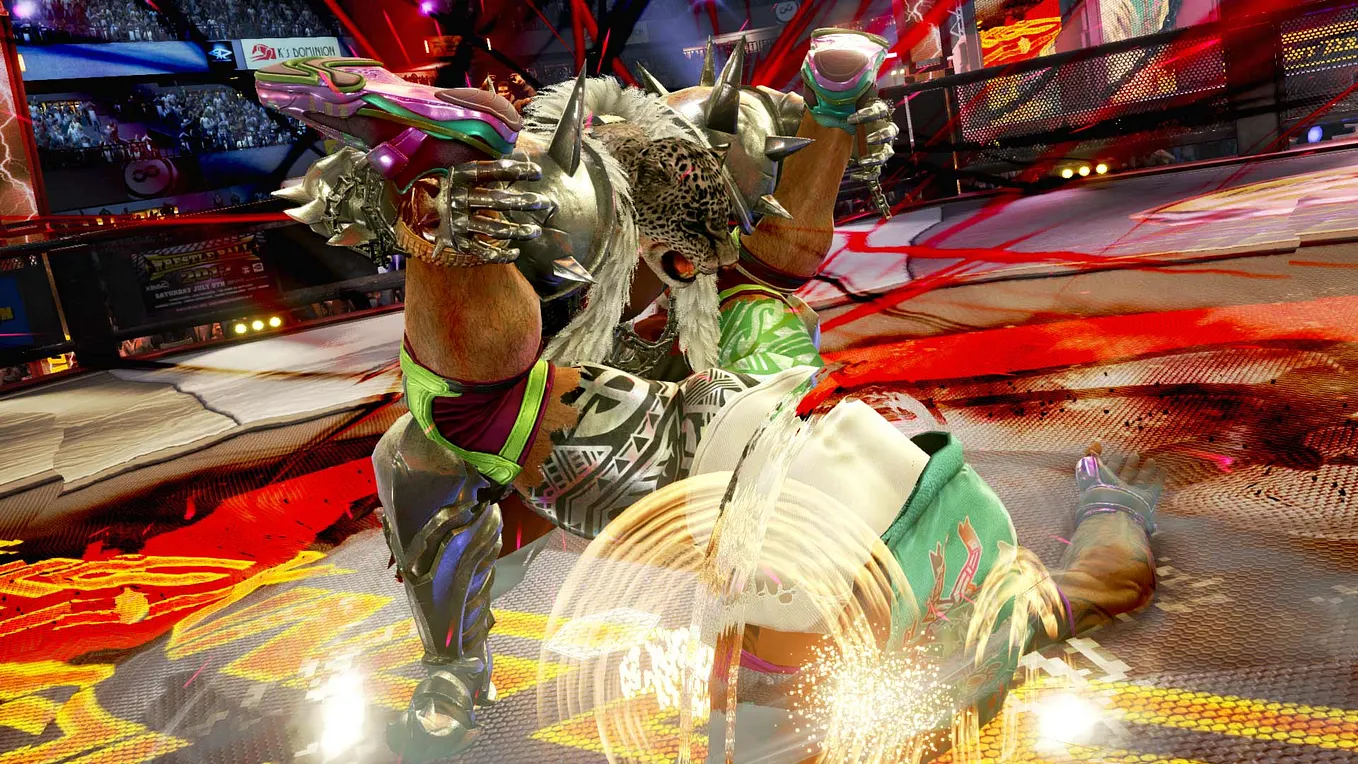
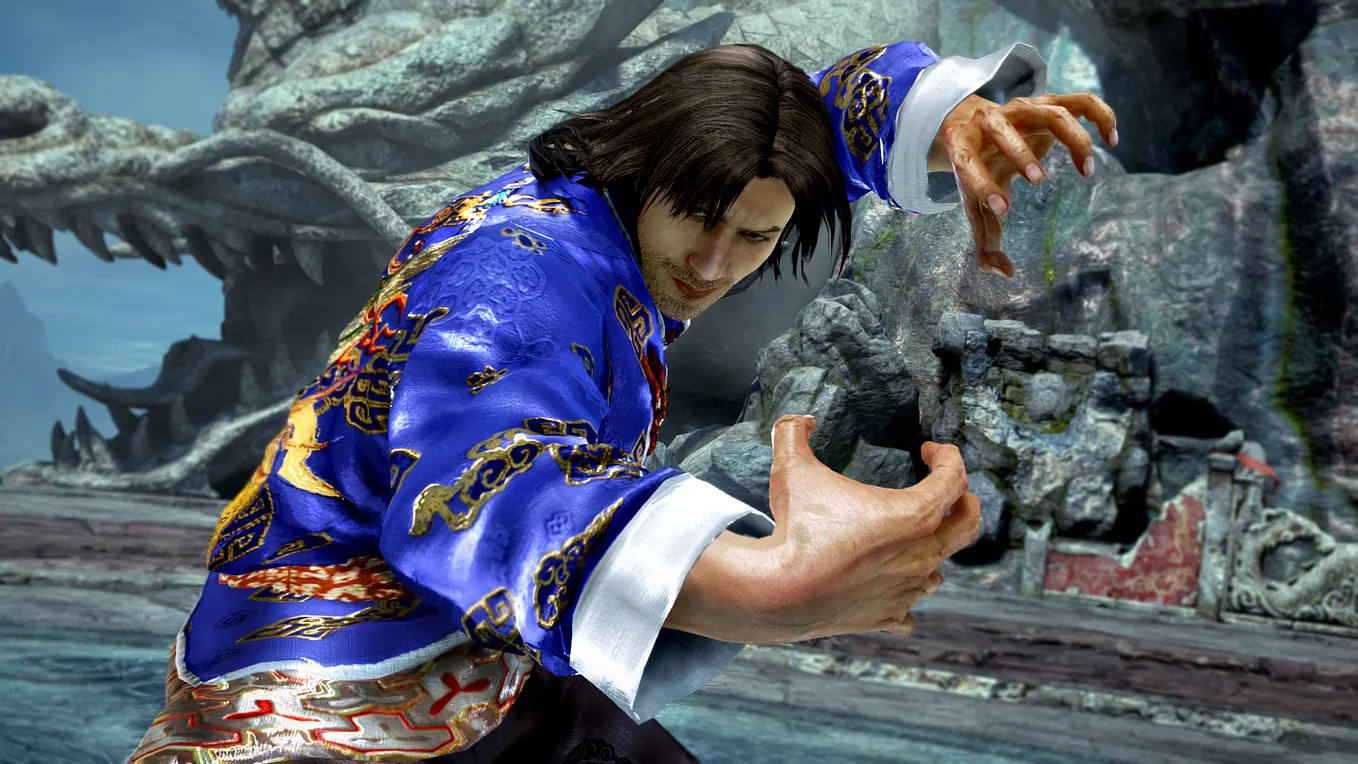
A good fighting game has diversity when it comes to the characters to fit our persona and playstyle. However, an important factor of improvement is to get out of our comfort zone. If we prefer an aggressive, rushdown character then it’s a good idea to switch to playing a reserved, defensive character to understand the mindset and hence in the future, understanding those mechanics can open opportunities for us during gameplay. Taking Tekken for example, I initially had a very difficult time understanding playing against characters with an unorthodox game style such as Lei. However, when I got to play and learn these characters for myself, example, Yoshimitsu and Master Raven, I realized the weakness these characters suffer and how dependent they are on the player’s creativity to cover those weaknesses. After playing with Armor King for a while, I understood and improved on the fundamentals of winning matches with a game plan that revolves around pokes and throws instead of hunting for launch punishes into flashy combos. This process, I believe, is utterly important in developing our skills as fighting game players, which ultimately will have seen major improvement when we return to our main character with this experience in mind, because the lack of it may cause that despite the huge knowledge of match-ups, we will not be able to take advantage of it, confusing the moves of the 15 characters in the roster, which in stressful situations will lead to the player losing in their confusion and not a living opponent sitting next to them.

I made this mistake in Tekken by not being able to decide on one of the many available characters, so in Street Fighter V, Mortal Kombat 11 and Killer Instinct I play only one character, experimenting with others now and then. Why am I talking about this? Once again, when you are fed up with playing against a person who is making a fool of you by the way he plays, try his character and see how people react to his preferred behavior. Remember, however, that a seemingly better character on paper, placed higher on a tier-leaf published on Twitter by a well-respected player shouldn’t push you to change your favorite policeman fighting in the style of a drunken master to the incarnation of the devil as a human being, because reaching a similar level of control of a new character may involve long months of frustration.
Why should you give up on yourself?
From many sources, we hear that it’s not worth giving up. Slogans of motivational trainers can help us to fulfil ourselves at work, in e-sport or any other field we choose, but the reality is that we don’t have to be the best in everything. If, like me, you’ve spent years of your life playing without any major tournament results, where people much younger than you have started to consistently win against you, consider if you want to spend your time chasing them. You can play to become better than yourself, as in martial arts. Yet to set the facts straight, tournaments are all about winning, and if you haven’t experienced it, you’ll be reluctant to play.
At that moment we can choose to think if it’s time to abandon this crushing road, focusing on other interests — in my case photography.
Playing fighting games is worthwhile, the surrounding community is a big factor because of it. However, it should be remembered that as long as we have fun, often getting nervous and breaking the limits of our capabilities at the same time, we pay for everything with a currency that we are not able to return using any method known to humanity — time. We will continue to play FG’s and create content related to them, but let us realize that sometimes it’s better to have fun playing different games than frustrating ourselves for years with one, being only a mediocre player.