Things You Should Stop Doing to Your Clothes


Most clothes don’t suddenly fall apart. They fade, stretch, stiffen, or lose their shape so slowly that it’s easy to blame age or poor quality when it finally becomes noticeable.
In reality, much of that damage comes from habits we repeat without thinking. The kind that feel normal because “that’s just how laundry is done.” Over time, though, those habits quietly take years off a garment’s life.
If you’ve ever wondered why some clothes seem to age well while others don’t, the answer is usually in how they’re treated between wears.
Washing Everything After One Wear
There’s a belief that clothes must be washed immediately after wearing them, regardless of how long they were worn or what you did in them. For some items, that’s true. For many others, it isn’t.
Frequent washing creates constant friction. Fibres rub against each other, seams weaken, and fabrics lose their original feel. Wool, denim, and structured pieces especially benefit from rest between washes.
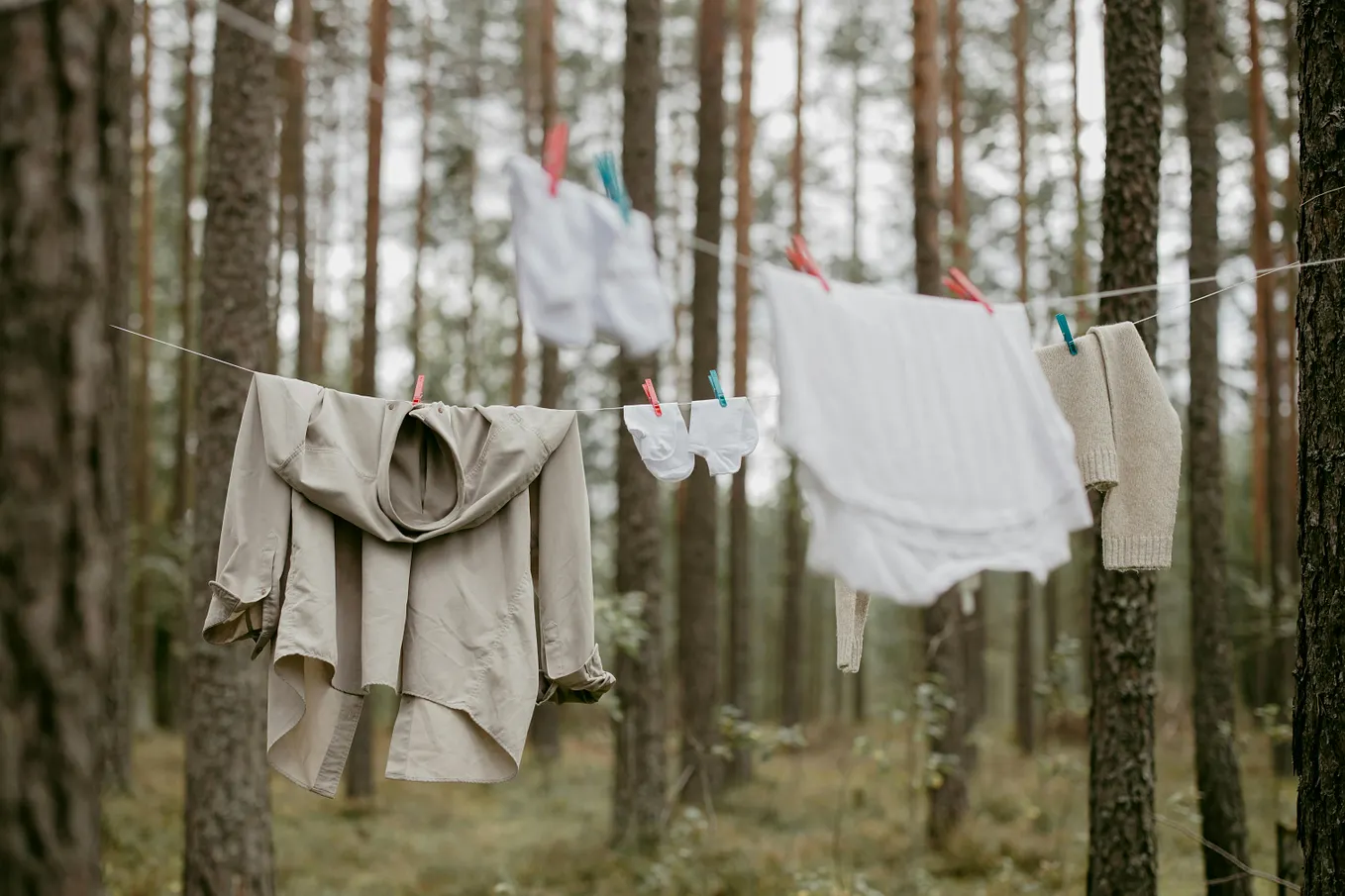
Sometimes all a garment needs is fresh air and time to recover. Washing less often doesn’t mean being careless — it often means being more intentional.
Using Too Much Detergent
It’s easy to assume that extra detergent equals extra cleanliness. In practice, the opposite often happens.
Too much detergent can coat fibres rather than rinse out properly. Clothes may look clean but feel heavy, stiff, or dull over time. That residue also increases friction during washing, which slowly wears fabric down.
Using the correct amount allows clothes to rinse cleanly and move freely, reducing long-term stress on fibres.
Ignoring Fabric Types in the Wash
Modern wardrobes are mixed: heavy fabrics, light fabrics, structured garments, and delicate items all living together. Treating them the same during washing is one of the quickest ways to cause damage.
Heavier items pull on lighter ones. Delicate fabrics stretch or lose shape. Colours bleed. Damage doesn’t always show right away, but it accumulates.
This is why people who choose professional handling, such as Laundry Twyford, often notice their clothes staying softer, better shaped, and more comfortable over time. Each fabric is treated for what it is, not forced to survive a one-size-fits-all process.
Get ECOVALET Dry Cleaners’s stories in your inbox
Join Medium for free to get updates from this writer.
The Safety of Hot Water
Hot water can give people a sense of security — it appears to be more effective and to destroy germs better. But for everyday clothing, it’s often unnecessary.
Heat weakens fibres, fades colours, and causes shrinkage that can’t be reversed. Many garments don’t fail because they weren’t cleaned properly — they fail because they were cleaned too aggressively.
Cooler washes are gentler and still effective for most clothing, especially when paired with proper detergent and wash cycles.
Overusing the Tumble Dryer
The tumble dryer is convenient, but it’s also unforgiving.
Repeated heat and tumbling strain fibres, shrink natural fabrics, and reduce elasticity. Clothes might come out looking fine at first, but over time they lose softness and structure.
Air drying takes longer, but it allows garments to relax rather than fight heat and movement. Even reducing dryer use by half can make a noticeable difference in how clothes age.
Storing Clothes Without Considering Shape
What happens after washing matters just as much as the wash itself.
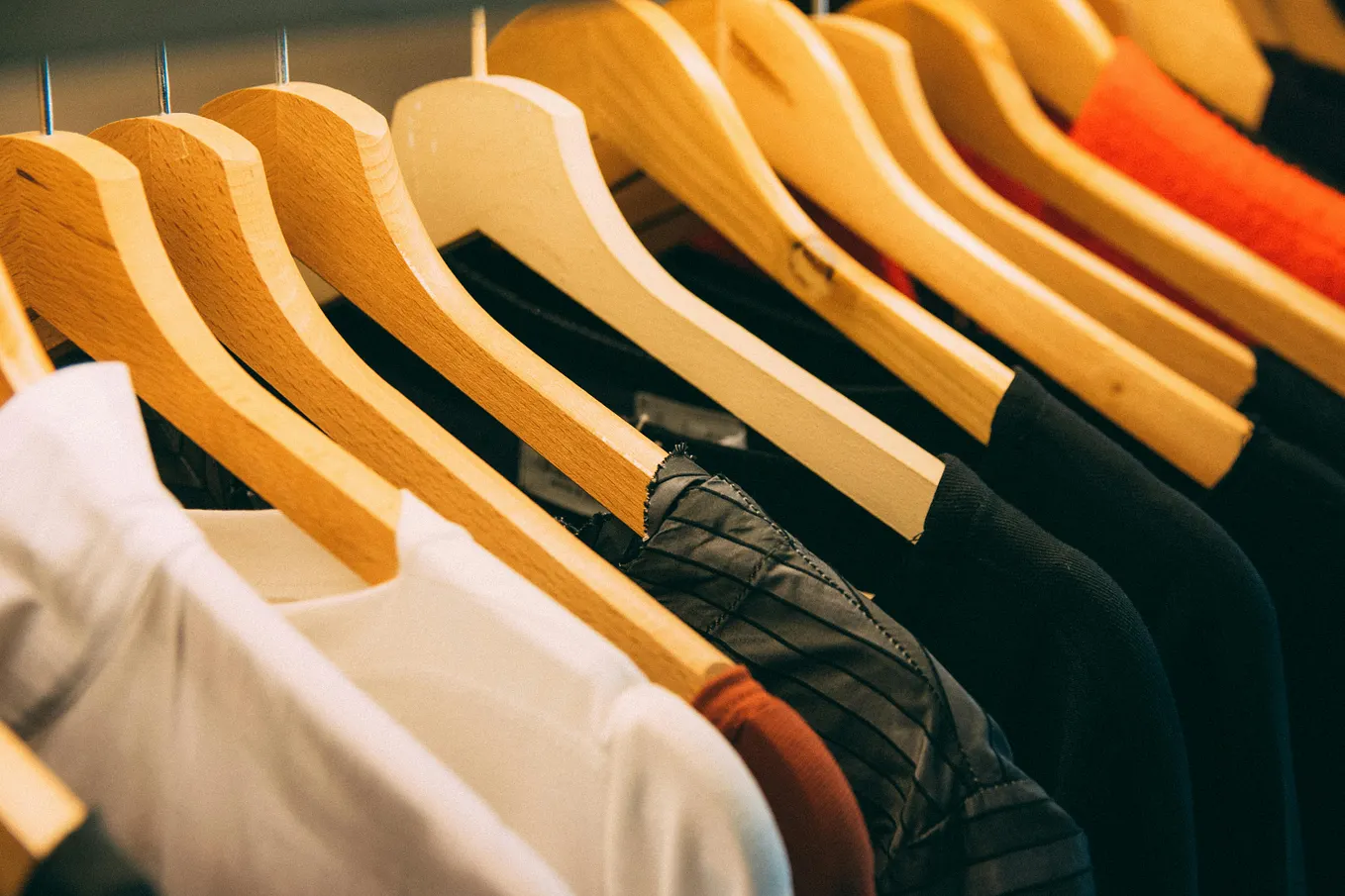
Hanging heavy knitwear stretches it out. Folding delicate fabrics too tightly sets creases. Overcrowded wardrobes cause constant friction, which slowly wears fabric surfaces down.
Giving clothes room to breathe and proper support helps preserve both shape and texture far longer than most people expect.
Treating Every Garment the Same
Not all clothes are meant to be handled equally. Some are designed for frequent wear and regular washing. Others need patience and restraint.
Once you stop treating every item like a basic T-shirt, clothing care becomes simpler, not harder. You start noticing which pieces actually need washing and which just need time.
Final Thoughts
Clothing care doesn’t require perfection. It requires awareness.
Most damage comes from rushing — quick washes, high heat, strong products, and habits done on autopilot. This habit will take time to develop, but once it is well established, your clothing will last longer than they are intended to. This process will happen naturally because it is learned and has become part of the culture. And when it does, your wardrobe quietly rewards you with better fit, better feel, and longer life.