🔓 Unlocking the Power of Reverse Face Recognition Search: A Comprehensive Guide 🔍

Have you ever wondered how reverse face recognition search technology works and how it can benefit various industries?
From law enforcement and security agencies to human resources and recruitment firms, the potential applications of this innovative tool are vast.
In this comprehensive guide, we will explore the advantages, limitations, and future prospects of reverse face recognition search.
Discover how companies can implement this technology ethically and effectively to enhance efficiency, accuracy, security, and customer experience.
Join us as we delve into the exciting world of reverse face recognition search.
Key Takeaways:
- Reverse face recognition search is a powerful tool used to identify individuals in various industries.
2. It works by analyzing facial features and matching them with a database of images.
3. Industries such as law enforcement, human resources, marketing, and finance can benefit from this technology.
What Is Reverse Face Recognition Search?

Reverse Face Recognition Search is a technique used to identify or verify individuals in images or videos by comparing their facial features with a database of known faces. It involves analyzing facial biometrics to match a face to a specific identity.
This advanced method is gaining popularity due to its effectiveness in law enforcement, security, and even social media platforms. Companies like Face ID utilize this technology to help businesses enhance their security measures, prevent identity fraud, and improve customer experience. The process starts by extracting facial features from the target image or video frame. These features are then compared against a database of pre-enrolled facial profiles to find a potential match. Reverse Face Recognition Search can be instrumental in solving crimes, locating missing persons, or even simplifying user authentication processes.
How Does Reverse Face Recognition Search Work?

Reverse Face Recognition Search operates by utilizing advanced technologies such as Facial Recognition Technology, deep learning, and convolutional neural networks to analyze facial characteristics from an image or video and compare them to a database of stored faceprints.
Facial Recognition Technology plays a key role in the initial phase of Reverse Face Recognition Search, enabling the system to detect faces within an image or a video stream accurately. Once the faces are identified, the deep learning algorithms come into play to extract intricate details from these facial features. These algorithms utilize convolutional neural networks (CNNs) to create a mathematical representation of facial structures called faceprints.
This process involves breaking down the facial features into multiple layers, identifying key elements such as eyes, nose, and mouth, and analyzing the unique patterns that make up an individual’s face. The CNNs use this data to generate a numerical code that represents the face, which is then compared against a database of stored faceprints for potential matches.
What Industries Can Benefit from Reverse Face Recognition Search?

Various industries, including Law Enforcement and Security Agencies, Human Resources, Marketing, and Financial Institutions, can leverage the benefits of Reverse Face Recognition Search to enhance their operations.
Law Enforcement agencies can utilize Reverse Face Recognition Search for swift identification of suspects or missing individuals, enhancing public safety.
Security Agencies can employ this technology to monitor and secure restricted areas effectively.
Human Resources departments can streamline recruitment processes by quickly verifying candidate identities with facial recognition.
In Marketing, companies can personalize customer experiences and tailor marketing campaigns based on facial recognition data.
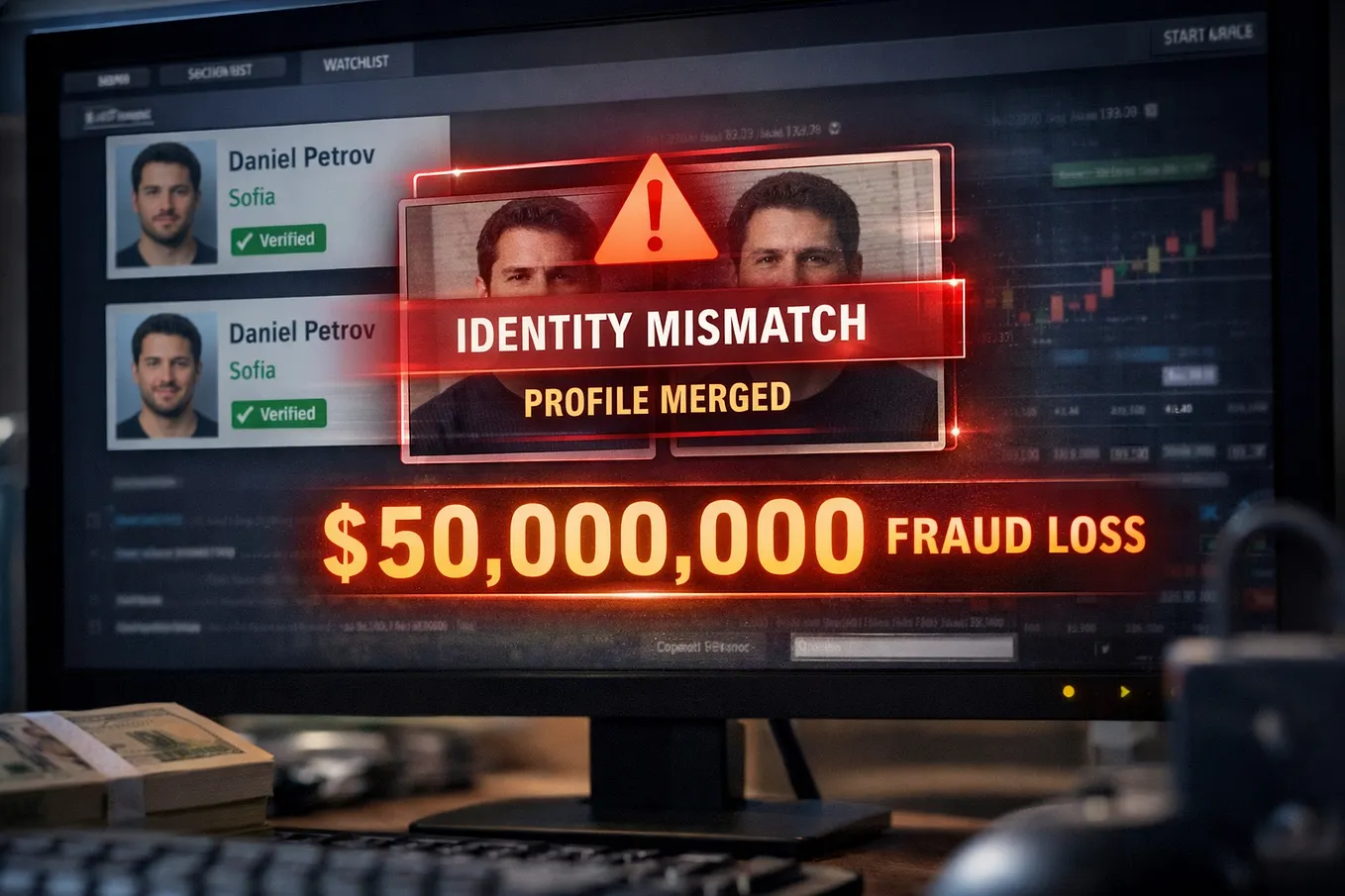
Financial Institutions can strengthen security measures, such as fraud prevention, by implementing this technology.
Law Enforcement and Security Agencies
Law Enforcement and Security Agencies extensively benefit from Reverse Face Recognition Search to enhance surveillance capabilities, identify suspects, and improve public safety using advanced technologies like facial recognition and security systems.
By employing sophisticated algorithms and cutting-edge technologies, law enforcement agencies can conduct comprehensive searches through vast databases of facial images. This method allows them to pinpoint individuals of interest quickly, aiding in suspect identification and criminal investigation efforts.
The integration of the SNIPER system enhances the scalability and accuracy of reverse face recognition searches, enabling agencies to monitor crowded public spaces with precision. This innovative approach not only streamlines the identification process but also plays a pivotal role in safeguarding communities and preventing potential security threats.
Human Resources and Recruitment Agencies
Human Resources and Recruitment Agencies streamline their hiring processes, enhance candidate selection, and improve efficiency through the integration of Reverse Face Recognition Search technologies, optimizing recruitment solutions and automating candidate evaluations.
This innovative approach allows HR professionals and agencies to sift through vast candidate databases, accurately match profiles, and identify top talents with unparalleled speed and precision. By leveraging the capabilities of facial recognition technology, recruiters can significantly reduce manual effort, streamline the screening process, and eliminate bias in candidate evaluations. This advanced tool not only enhances the overall recruitment experience but also facilitates seamless collaboration between hiring teams, leading to quicker decision-making and improved recruitment outcomes.
Marketing and Advertising
Marketing and Advertising industries enhance customer experiences, personalize engagements, and prioritize data privacy by implementing Reverse Face Recognition Search for targeted campaigns, secure transactions, and efficient customer service.
By leveraging this innovative technology, companies in these sectors can tailor their marketing strategies to meet the specific needs and preferences of their customers. Through the use of Reverse Face Recognition Search, businesses can create personalized advertisements, recommend products based on individual interests, and develop targeted promotions that resonate with consumers on a personal level.
This approach not only fosters stronger customer loyalty but also ensures that data privacy remains a top priority. With enhanced security measures in place, such as advanced encryption techniques and secure data storage protocols, organizations can safeguard sensitive information and provide customers with peace of mind regarding their personal data.
Financial Institutions and E-commerce
Financial Institutions and E-commerce platforms prioritize data protection, scalability, and secure transactions through the integration of Reverse Face Recognition Search technologies, enhancing user authentication processes and ensuring secure financial transactions.
By leveraging Reverse Face Recognition Search, these institutions are able to authenticate users more effectively by verifying identities through facial features rather than traditional methods like passwords or PINs. This not only enhances security measures but also provides a seamless user experience. The scalability of this technology allows for quick and efficient processing of a large volume of transactions, ensuring smooth operations even during peak periods of online activity. In addition, the data protection offered by Reverse Face Recognition Search adds another layer of defense against cyber threats and unauthorized access to sensitive information.
Healthcare Industry
The Healthcare Industry adopts Reverse Face Recognition Search to improve patient identification accuracy, streamline check-in processes, and enhance overall healthcare service delivery by incorporating advanced facial biometrics and AI-powered check-ins.
Through the integration of AI-Powered Check-Ins and facial biometrics, facilities can efficiently verify patient identities, reduce wait times, and enhance security measures. By utilizing cutting-edge technology, healthcare providers can offer a more personalized and seamless experience for patients, leading to higher satisfaction rates and improved patient outcomes. The implementation of Reverse Face Recognition Search helps in maintaining accurate records, preventing identity theft, and ensuring compliance with regulatory standards.
What Are the Advantages of Using Reverse Face Recognition Search?
Utilizing Reverse Face Recognition Search offers advantages such as time and cost efficiency, enhanced security measures, improved user experience, and seamless integration across various systems and applications.
Implementing Reverse Face Recognition Search not only streamlines the process of identifying individuals quickly and accurately but also significantly reduces human error in authenticating individuals.
This innovative technology not only saves valuable resources but also provides a robust security framework by enabling organizations to authenticate access based on facial features.
The improved user experience facilitated by Reverse Face Recognition Search enhances customer satisfaction and loyalty, ultimately driving business success.
The seamless integration capabilities of this technology allow for easy deployment across existing systems and applications without major disruptions, ensuring a smooth transition and implementation process.
Time and Cost Efficiency
One of the key benefits of Reverse Face Recognition Search is the time and cost efficiency it provides through automation, streamlining processes, optimizing efficiency, and leveraging advanced technologies for accurate results.
By automating the identification and matching process, Reverse Face Recognition Search significantly reduces the time normally spent on manual tasks, allowing personnel to focus on more strategic priorities.
Streamlining processes through this technology integration not only cuts down on human error but also ensures a faster turnaround time for identifying individuals from vast databases.
The advanced algorithms used in this system enhance accuracy by swiftly analyzing facial features, resulting in more precise and reliable matches, ultimately driving down costs associated with manual labor and potential errors.
Increased Accuracy and Reliability
Reverse Face Recognition Search ensures increased accuracy and reliability by leveraging facial biometrics, prioritizing data privacy, implementing secure authentication methods, and enhancing overall security measures for reliable identification processes.
Facial biometrics play a crucial role in Reverse Face Recognition Search, allowing for unique characteristics to be analyzed for precise identification purposes.
The strict data privacy measures implemented ensure that personal information remains safeguarded and confidential throughout the recognition process.
Secure authentication methods such as multifactor authentication or biometric verification further enhance the reliability of the identification results.
By integrating these advanced security measures, Reverse Face Recognition Search establishes a robust framework that significantly reduces the margin of error and ensures accurate recognition outcomes.
Enhanced Security and Fraud Prevention
Implementing Reverse Face Recognition Search results in enhanced security measures, efficient fraud prevention, robust access control mechanisms, and real-time tracking capabilities to ensure a secure and streamlined operational environment.
Through the utilization of Reverse Face Recognition Search, organizations can bolster their security protocols by harnessing advanced biometric technology. This implementation provides a sophisticated layer of protection by verifying the identity of individuals, thus preventing unauthorized access and potential security breaches. By integrating cutting-edge facial recognition algorithms,
- Reverse Face Recognition Search enhances data security measures, safeguarding sensitive information and confidential data from being compromised.
This technology optimizes operational efficiency, allowing for seamless monitoring and tracking of individuals in real-time, facilitating prompt responses to any security incidents that may arise.
Improved Customer Service and User Experience
Reverse Face Recognition Search elevates customer service standards, enhances guest services, ensures customer satisfaction, and provides a personalized and frictionless experience for users, driving overall improvement in user interactions.
By integrating Improved Guest Services and Personalization, businesses can tailor their offerings to the specific preferences and needs of individual customers. This targeted approach not only fosters a greater sense of loyalty and satisfaction among patrons but also contributes to a significant boost in repeat business. Through the use of Reverse Face Recognition Search, establishments can create seamless and memorable experiences for their guests, ultimately setting themselves apart from competitors in a crowded marketplace.
What Are the Limitations of Reverse Face Recognition Search?
Despite its benefits, Reverse Face Recognition Search faces limitations related to privacy concerns, biases, technical challenges, and data security vulnerabilities that need to be addressed for its ethical and effective implementation.
One of the primary concerns surrounding Reverse Face Recognition Search is the potential infringement on privacy. The technology can lead to surveillance and tracking of individuals without their consent, raising significant ethical issues. Moreover, biases in facial recognition algorithms can result in inaccuracies and misidentifications, disproportionately affecting certain demographic groups.
Get Efim Lerner’s stories in your inbox
Join Medium for free to get updates from this writer.
The technical challenges associated with handling large datasets and conducting accurate matches pose significant hurdles. Ensuring data security in storing and managing sensitive facial data is crucial to prevent breaches and misuse.”
Privacy Concerns
Privacy concerns arise in Reverse Face Recognition Search due to the use of Facial Recognition Technology, potential impacts on user experiences, the need for robust data protection measures, and ensuring secure access control in event management.
Facial recognition technology, while offering convenience in identification and verification processes, raises significant privacy issues linked to personal data handling. Users may find their biometric information vulnerable to misuse or unauthorized access, leading to breaches of confidentiality. Implementing stringent data protection protocols becomes imperative to safeguard against exploitation and potential security threats.
Ensuring the secure access control is paramount in event management scenarios utilizing this technology. Proper authentication procedures and encryption methods must be in place to prevent unauthorized entry or manipulation of sensitive information.
Potential for Biases and Discrimination
The potential for biases and discrimination exists in Reverse Face Recognition Search due to factors like biometric recognition accuracy, access disparities, ease of check-ins, and the use of smart technology that may inadvertently lead to discriminatory outcomes.
Biometric recognition accuracy plays a pivotal role in the potential biases within Reverse Face Recognition Search, as inaccuracies or inconsistencies can disproportionately affect certain individuals based on their unique facial features. Access disparities further exacerbate these risks, with certain groups facing challenges in utilizing technologies that rely on facial recognition.
The streamlined ease of check-ins facilitated by this technology can inadvertently exclude individuals who do not fit the preconceived algorithms, leading to discrimination based on appearance.
Incorporating smart technology into these systems introduces additional complexities, where algorithms may inadvertently favor certain demographics or characteristics, perpetuating biased outcomes without intentional design.
Technical Challenges
Technical challenges such as integration complexities, event optimization requirements, enhancing attendee experiences, and ensuring secure event access pose obstacles to the seamless implementation of Reverse Face Recognition Search solutions.
Integrating Reverse Face Recognition Search technology into existing event management systems can be a daunting task due to the need for compatibility and data alignment. The process of synchronizing facial recognition software with attendee databases and event schedules requires meticulous planning and coordination among various platforms. Optimizing events for facial recognition protocols involves considerations such as lighting conditions, camera placements, and crowd management to enhance accuracy and efficiency.
Ensuring a positive attendee experience with Reverse Face Recognition Search entails balancing the convenience of seamless access with data privacy and security concerns. Attendees must feel comfortable with the technology while also feeling reassured about the protection of their personal information and biometric data.
How Can Companies Implement Reverse Face Recognition Search?

Companies looking to implement Reverse Face Recognition Search should carefully select the right service provider, conduct thorough training and testing of the system, and ensure scalability to handle increased demands effectively.
When selecting a service provider, it is crucial to assess their experience and expertise in facial recognition technology.
- Verify their track record with similar projects.
- Ensure they prioritize data security and compliance.
- Check for partnerships with reputable technology providers.
System training plays a vital role in optimizing the accuracy and performance of the software.
- Include diverse datasets for a comprehensive learning process.
- Regularly update the system with new facial features and patterns.
- Conduct frequent quality checks to maintain precision.
Testing procedures are essential to identify any weaknesses or areas of improvement in the system.
- Perform rigorous testing scenarios to simulate real-world conditions.
- Gather feedback from users to refine the system’s functionality.
- Address any identified vulnerabilities promptly.
Ensuring scalability readiness is key for future-proofing the implementation.
- Anticipate potential growth in user volume and data processing requirements.
- Implement flexible infrastructure that can accommodate increased demands.
- Regularly monitor system performance and make necessary adjustments.
Choosing the Right Service Provider
Selecting the appropriate service provider for Reverse Face Recognition Search involves evaluating factors like biometric identification accuracy, secure authentication methods, automated check-in capabilities, and operational efficiency for seamless integration.
Biometric identification accuracy is crucial for ensuring reliable matches between facial images, reducing the risk of false positives and enhancing overall system security. When assessing service providers, look for advanced algorithms and technologies that offer high precision in matching faces accurately.
Secure authentication methods play a vital role in safeguarding sensitive biometric data and ensuring that only authorized individuals can access the system. Opt for providers that implement multi-factor authentication, encryption protocols, and regular security audits to protect against unauthorized access.
Collecting and Storing Data Ethically
Ethical data collection and storage practices are imperative for companies implementing Reverse Face Recognition Search to ensure efficiency, uphold data privacy regulations, enable real-time tracking, and provide personalized experiences for users.
One of the key ethical considerations in data collection for Reverse Face Recognition Search is the importance of obtaining explicit consent from individuals before capturing and storing their facial data. Data privacy laws dictate that companies must clearly outline the purpose of data collection and provide users with control over how their information is used. This transparency not only builds trust but also mitigates the risk of unauthorized access or misuse.
Training and Testing the System
Proper training and rigorous testing of the Reverse Face Recognition Search system are essential for optimizing user experiences, enhancing security measures, saving time, and streamlining operations within the organization.
In the realm of user experiences, a well-trained system ensures accurate identification and reduces false positives. This contributes significantly to user trust and satisfaction. From a security perspective, thorough testing helps identify vulnerabilities and strengthens defenses against potential breaches or unauthorized access.
Time efficiency is a key factor impacted by system training. A finely tuned system leads to faster recognition processes, reducing delays and enhancing overall operational speed. Streamlined operations result from a well-tested system, minimizing errors and creating a more efficient workflow.
What Is the Future of Reverse Face Recognition Search?
The future of Reverse Face Recognition Search holds promising advancements in technology, increased integration with other innovative solutions, and enhanced scalability for broader adoption across diverse industries and applications.
With the continuous evolution of AI and machine learning algorithms, there is a high probability that Reverse Face Recognition Search will become even more accurate and efficient. Integration with emerging technologies such as edge computing and blockchain can further enhance its capabilities, paving the way for seamless deployment in various sectors.
- The scalability of Reverse Face Recognition Search could reach new heights as cloud-based services become more powerful and cost-effective, enabling organizations of all sizes to leverage this technology for complex identification tasks.
Advancements in Technology
Future advancements in Reverse Face Recognition Search will be driven by cutting-edge technology innovations, advancements in hospitality applications, facial recognition software enhancements, and biometric identification capabilities for improved accuracy and efficiency.
One of the key areas of focus for future advancements in Reverse Face Recognition Search is the utilization of artificial intelligence algorithms to enhance the precision and speed of facial recognition matching. This innovation allows for quicker identification in various sectors such as security, access control, and personalized customer experiences. Advancements in machine learning models will play a vital role in refining the system’s ability to detect and analyze facial features accurately.
Integration with Other Technologies
The future of Reverse Face Recognition Search involves seamless integration with smart technologies, enhanced user experiences, robust data protection measures, and automated event registration processes for streamlined operations and heightened security measures.
Integrating Reverse Face Recognition Search with smart technologies like artificial intelligence and machine learning opens up possibilities for real-time analysis and improved accuracy in identifying individuals.
Enhanced user experiences can be achieved through personalized notifications and tailored recommendations based on facial recognition data, providing a more intuitive and engaging interaction for users.
Robust data protection mechanisms ensure that sensitive biometric information is securely stored and encrypted, safeguarding user privacy and preventing unauthorized access.
Automated event registration processes streamline operations by automatically identifying and verifying participants, reducing manual efforts and enhancing overall efficiency.
Potential for Widespread Adoption
With its proven benefits, Reverse Face Recognition Search exhibits the potential for widespread adoption due to its efficiency improvements, modernization initiatives, enhanced event security measures, and seamless registration processes for various industries and organizations.
As technology continues to advance at a rapid pace, the integration of Reverse Face Recognition Search is becoming increasingly feasible across sectors such as law enforcement, retail, transportation, and more. This innovative technology not only streamlines identification processes but also enhances the overall security posture in these sectors, catering to the growing need for enhanced safety measures. The seamless registration and tracking capabilities of Reverse Face Recognition Search pave the way for improved operational efficiency and customer experience, making it an attractive solution for organizations looking to stay ahead in the digital age.
Frequently Asked Questions
What is reverse face recognition search and how can it be used?
Reverse face recognition search is a technology that uses facial recognition algorithms to analyze a provided image and retrieve all potential matches from a database. It can be used in various industries such as Law Enforcement and Security Agencies, Human Resources and Recruitment Agencies, Marketing and Advertising, Financial Institutions and E-commerce to identify individuals or gather information about them.
How does reverse face recognition search work?
Reverse face recognition search works by comparing the facial features of a provided image with those in a database. The technology uses complex algorithms to analyze facial features such as distance between eyes, shape of jawline, and hairline to create a unique facial signature. This signature is then compared to existing images in the database to find potential matches.
How can Law Enforcement and Security Agencies benefit from reverse face recognition search?
Law Enforcement and Security Agencies can benefit from reverse face recognition search by quickly identifying suspects or persons of interest in a crowd. It can also be used to track the movements of individuals and gather information about their activities.
In what ways can Human Resources and Recruitment Agencies use reverse face recognition search?
Human Resources and Recruitment Agencies can use reverse face recognition search to verify the identity of job applicants, expand their candidate pool, and prevent fraud. It can also be used to gather information about potential employees and their online presence.
Why is reverse face recognition search useful for Marketing and Advertising?
Reverse face recognition search can be useful for Marketing and Advertising by providing insights into the demographics and interests of customers. It can also be used to personalize advertisements and create targeted marketing campaigns.
How can Financial Institutions and E-commerce benefit from reverse face recognition search?
Financial Institutions and E-commerce can use reverse face recognition search to verify the identity of customers, prevent fraud, and improve security measures. It can also be used for personalized customer experiences and targeted marketing efforts.