AI isn’t autopilot: Lessons from the training room

Reflections from teaching AI to humans.

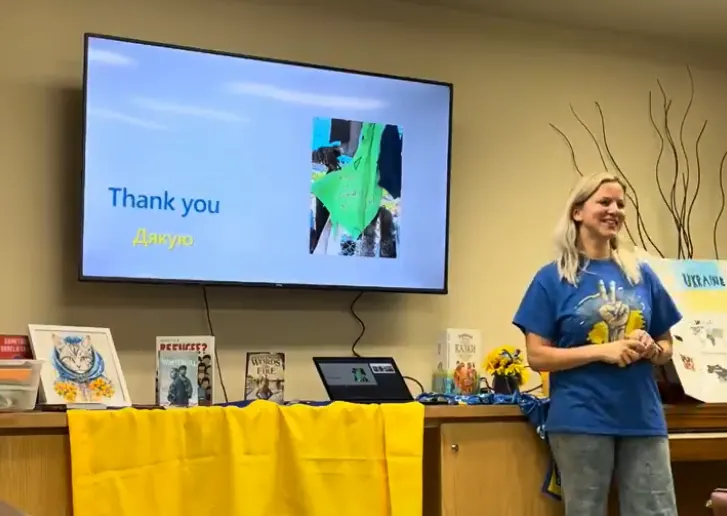
A few weeks back I had the chance to deliver an AI training session. In the past, I’ve focused mostly on Copilot during my time at Microsoft, so this was a great opportunity to branch out and explore other AI tools as well.
The conversations reminded me of how much possibility and responsibility we have in this moment. Below is what I shared in a LinkedIn post but expanding each reflection with an example I’ve encountered myself.
A few reflections I shared:
1.AI isn’t autopilot. It’s here to augment us, but we’re still in control. Some industries and jobs will inevitably change, but AI won’t replace us.
For example, Over the weekend my flight arrived late and I found myself standing in a 2-hour car rental line. After standing idle for some time, I started timing each interaction, wondering what is it about this business model that requires each interaction to take an average of 8 minutes as the technology to streamline the experience already exists. It was a reminder that progress doesn’t happen automatically but because there are humans to drive the change.
2. Prompting is an art. The clearer we are about role, audience and platform in our request, and (when necessary) leverage sequenced steps to enrich the ask, the better the better the output.
Get Elena Salaks’s stories in your inbox
Join Medium for free to get updates from this writer.
We can think of prompting like delegating a task to a new team member or intern. The clearer the instructions, the stronger the result. When you provide context and expectations up front, you eliminate guesswork and guide the AI toward better outcomes
3. Security matters. Use good judgment by protecting your data, checking your sources, and verify results.
That means, unless you have enterprise-level protections, do not post any super sensitive, personally identifiable information. Also, login and use only on trusted devices so you know where your data might be stored. And when possible, consider opting out of model training.
4. Follow curiosity. The most powerful use cases often come from experimenting and refining, not waiting for a perfect answer.
Generative AI is conversational by design which makes it easy iterate. For example, I used AI to help me analyze a customer validation study. It didn’t simply spit out the analysis and results. Instead, I collaborated with it to uncover patterns and frame the data in new ways I might not have considered on my own. Curiosity, not certainty, drove the insight.
5. Act with intent. Let AI make you more effective, and resist letting it make you just busier.
This is my personal advice: pause. The next time AI saves you time on a task, don’t rush to fill that space. Take a moment to reflect on how you want to use that reclaimed time. Ideally you can apply it toward on something that feels more meaningful or energizing.
My hope is that AI feels less intimidating and more like a useful tool we can use in our every day, regardless of where we are in our career journey.
If you’d like to dive deeper, here’s a PM-specific post I wrote a while back. Anything I missed that you’d recommend I add to my next AI 101 training session?