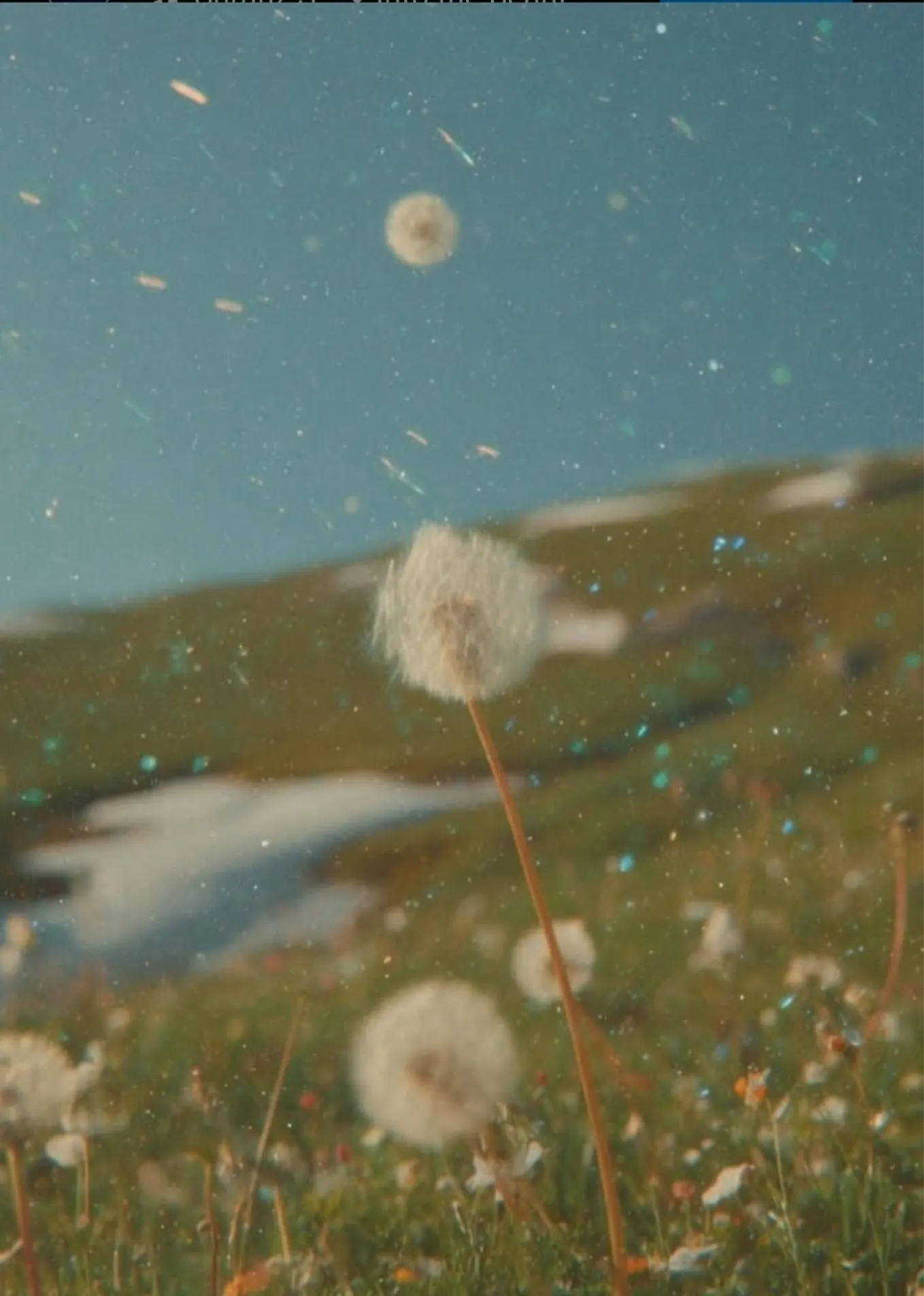
A Reverie


One might say it is too early for such a pensive wandering at my age.
“You’re still young,” and so they say. “You have time. Trust.”
This author trusts you. But this author does not trust time.
Youth is a paradox. It is scientific, and yet fiction. If youth were so colorful, then why must I prefer to dress in monochrome? If youth were so innocent, then why must I be tainted? If youth were a scream, then why must my dreams remain muffled in the back of my head? If youth were so valuable, then why isn’t it enough to buy freedom?
Get Elio Wilder’s stories in your inbox
Join Medium for free to get updates from this writer.
Time, on the other hand, is a different story. It does not acquire compassion toward the young. One might say, even more so toward the old. This author would argue they are much more giving when one has existed for longer — because when time becomes short, it ends. And it ends when it ends. It does not lead one on.
This author once loved an individual. One who could look through him, eye to eye. One who breathed the same air at the same tick of the clock. One who saw the same lone star somewhere dark and blind. One who heard the same nightingale songs in his dreams. So fit, and so quiet and small, and yet unattainable.
This author has never been more vulnerable. He has smiled, laughed, cried, found himself lost, reached rock bottom, and risen again like dandelions from autumn to spring. But this author has never loved — not the way blades of grass grow out of fragmented asphalt roads, not the way coffee spills on his favorite line from a poetry book, not the way he thinks about death on a quiescent day.
This author loved an individual who, at last, is paralleled by his years — not by number, but by the immeasurability of one’s lament. One must sleep through the fire to free oneself of pain. One’s ashes must fly like freedom across one beautiful world.
This author admits he thinks morosely — the way he touches a limina and turns it into a freeze-dried flower. In the midst of beauty, he sees bleeding cuts in a butterfly. He smells the salt in the tears of a fly. His own eyes reflect the evanescing winks from the sky. One must be frail to endure such tides.
One might say this is the writing of a bleak divagation from someone so young and radiant. Radiance, perhaps, is simply blindness to the darkness. Why one must avoid darkness is abstruse to this author.
Perhaps this is a reverie, not an elegy. Nothing has been lost. But the sad thing is this: things have been gained. And that, to me, is the scariest phenomenon.