Rolls-Royce Went Bankrupt Building the Best Engine in the World

A Rolls-Royce RB211. Photo: Rolls-Royce via DPLA (CC0)
On February 4, 1971, Rolls-Royce called in the receivers.
Not a small engineering firm. Rolls-Royce — the most famous name in British industry, the company that built the Merlin. It ran out of money trying to finish one jet engine, and a Conservative government that had been elected on a promise to stop propping up failing businesses nationalised it within months.
The engine was the RB211. It’s on the wing of an Airbus A350 as you read this, under a different name.
This is the fourth episode about Lockheed, and it’s the one where the disaster comes from outside. Last time I argued the TriStar lost because it was late. This is why it was late.
They sold a price for something that didn’t exist
An RB211 on a stand, fan face on. Photo: Nimbus227 (public domain)
In 1968 Rolls-Royce won the L-1011 engine contract, and the terms are the whole story.
The company guaranteed Lockheed a specific thrust — around 42,000 pounds — delivered by a specific date in September 1971, at a fixed price.
At the point of signing, the RB211 existed on paper.
I want to be careful not to make this sound stupider than it was. Fixed-price development contracts were normal. Rolls-Royce had beaten General Electric and Pratt & Whitney to a landmark American order, which was a genuine triumph for British industry and was treated as one at the time. And engine makers had always sold promises: you cannot demonstrate an engine that hasn’t been built.
But there’s a difference between promising a conventional engine and promising one built around a material nobody had ever flown.
Hyfil
A sectioned RB211 on museum display. Photo: Wikio22 (CC0)
The clever part of the RB211 was its fan.
Rolls-Royce planned to make the enormous front fan blades out of a carbon-fibre composite they called Hyfil, rather than titanium. Composite blades would be dramatically lighter, and weight at the front of a big turbofan cascades through the entire design — lighter blades mean a lighter disc, lighter containment, a lighter engine, better fuel burn.
It was the right instinct. Composite fan blades are completely normal now. Rolls-Royce were trying it about twenty-five years early, with 1960s materials science.
May 1970
A preserved RB211. Photo: Nimbus227 (CC0)
Certifying a fan blade means proving it survives a bird strike. In practice that means firing dead birds into a running engine at speed and seeing what happens.
The Hyfil fan failed.
Carbon fibre of that era shattered rather than deformed. Rolls-Royce had to redesign the fan in titanium, which meant a heavier fan, a heavier engine, less performance than promised, and months of work — on a contract where the price could not move.
That single test result is the hinge of this whole story.
On the channel: I cover aircraft programs and the decisions behind them in more depth on YouTube. EMaviation on YouTube
The numbers stopped making sense
Development had been costed at about sixty-five million pounds. That was raised to seventy-five.
By the autumn of 1970 it was around a hundred and thirty-five million.
By the following year it had passed a hundred and seventy.
Get EMAviation’s stories in your inbox
Join Medium for free to get updates from this writer.
Rolls-Royce was absorbing every one of those pounds, because it had sold Lockheed a fixed price. The liabilities under the Lockheed contract were going to exceed everything the company could raise. On February 4, 1971, the board gave up and called in the receivers.
A Conservative government nationalised it
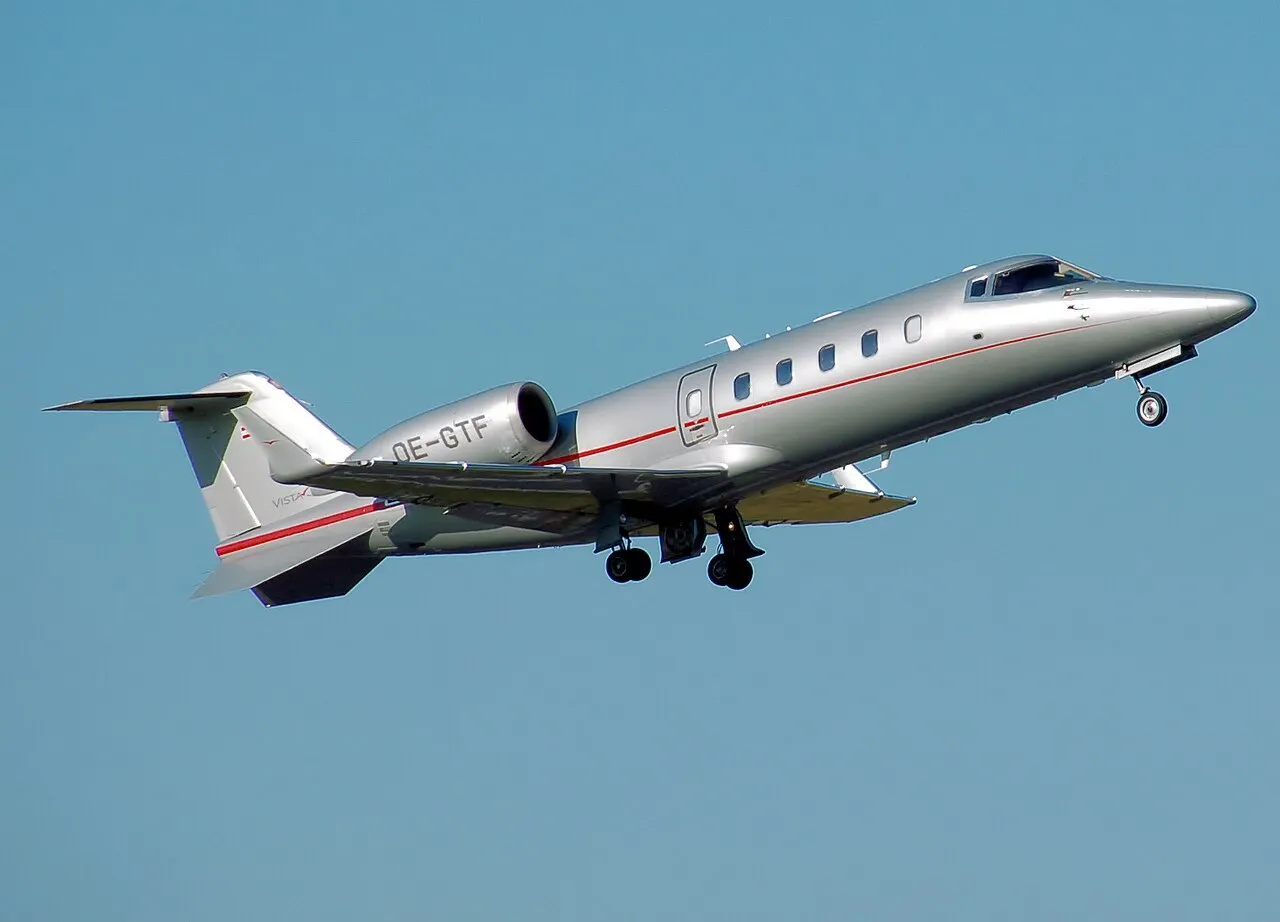
An L-1011 TriStar, the RB211’s only launch aircraft. Photo: Adrian Pingstone (public domain)
Edward Heath’s government had come to office in 1970 arguing against state rescues of failing industry. Within months of the collapse it took Rolls-Royce into public ownership anyway.
The reasoning wasn’t sentimental. Rolls-Royce built engines for the RAF and for a long list of allied air forces. Letting the aero-engine business die would have been a strategic decision, not just a commercial one. The car business was a different matter and was separated off and sold.
So the state took the part it could not afford to lose, and left the part it could.
The rescue worked by tearing up the deal
Here’s the detail I think is most revealing.
In May 1971 a new company, Rolls-Royce (1971) Limited, bought the assets out of receivership. It then negotiated a new contract with Lockheed — and the new contract cancelled the late-delivery penalties and increased the price of every engine by a hundred and ten thousand pounds.
That is the fix. Not a technical breakthrough, not a new material, not better management. The company became solvent again by getting out of the contract terms that had bankrupted it.
Which tells you what actually went wrong. The engineering was hard but the engineering got done. What killed Rolls-Royce was agreeing to carry every risk on a programme where the risks were unknowable.
It powers the A350
A Rolls-Royce Trent, the RB211’s direct descendant. Photo: Moto Miwa (CC BY 2.0)
The RB211 went on to be an excellent engine, and it never stopped developing. In 1989 an uprated version, the RB211–524L, was renamed — and that name was Trent.
Today the Trent XWB powers the Airbus A350. The Trent 1000 powers the Boeing 787. The Trent 7000 powers the A330neo. They are all descendants of the engine that bankrupted the company that started it.
The three-shaft layout that made the RB211 so difficult and so expensive is the same layout Rolls-Royce still uses, and it’s a large part of why the company is still one of three manufacturers on earth that can build a large civil turbofan.
What I think this episode says
The pattern in this series is companies being punished for the thing you’d normally praise.
Lockheed picked the RB211 because it was the most advanced engine on offer, and that choice destroyed the TriStar’s schedule. Rolls-Royce built the most advanced engine on offer, and that ambition destroyed the company.
Neither of them was wrong about the engineering. The RB211 was a better engine than its competitors and it has outlived all of them. Both were wrong about how much risk they could carry while being that ambitious — Lockheed with a single-source engine, Rolls-Royce with a fixed price.
Being right early is expensive. Sometimes it’s fatal, and the thing you were right about still ends up on the wing of every other widebody thirty years later.
What are your thoughts — was the fixed-price contract the real mistake, or was betting it on an unproven material the mistake?
Next episode: the bailout. The US government guaranteed Lockheed’s loans to keep the TriStar alive, and the Senate vote that decided it came down to a single vote.
More from EMaviation
- YouTube: EMaviation channel
- Books: My aviation books on Amazon
- Shop: Aviation prints and apparel on Redbubble
Related: How Douglas lost the jet age — another company that read the technology right and the timing wrong.
Sources
- Rolls-Royce RB211 — Wikipedia (the 1968 fixed-price performance guarantee, the Hyfil fan, the cost escalation, Rolls-Royce (1971) Ltd and the renegotiated Lockheed contract)
- Rolls-Royce Declares Bankruptcy — EBSCO Research Starters (February 4, 1971, and the Lockheed liabilities)
- RB211: The Engine That Sank and Then Saved Rolls-Royce — Curious Droid (the May 1970 bird-strike failure)
- Rolls-Royce Limited — Hansard, 8 February 1971 (the government statement to the Commons four days after the collapse)
- Rolls-Royce Trent 700 — Wikipedia (the RB211–524L renamed as Trent in 1989)
- Catch a Falling TriStar — TIME, December 21, 1981 (production stopping in February 1971 when Rolls-Royce went bankrupt)