Leaving a Team Is Hard — Here’s How We Make It Easier

Saying goodbye is never just a formality — it’s a moment steeped in gratitude, reflection, and emotion. In the professional world, we often overlook how deeply people can become woven into the fabric of a team. Deadlines, coffee breaks, shared victories, and even rough days bring people closer than we might realize. So when someone leaves, whether it’s for a new job, a new city, or a new life chapter, it creates more than just a vacancy. It leaves a little emotional vacuum.
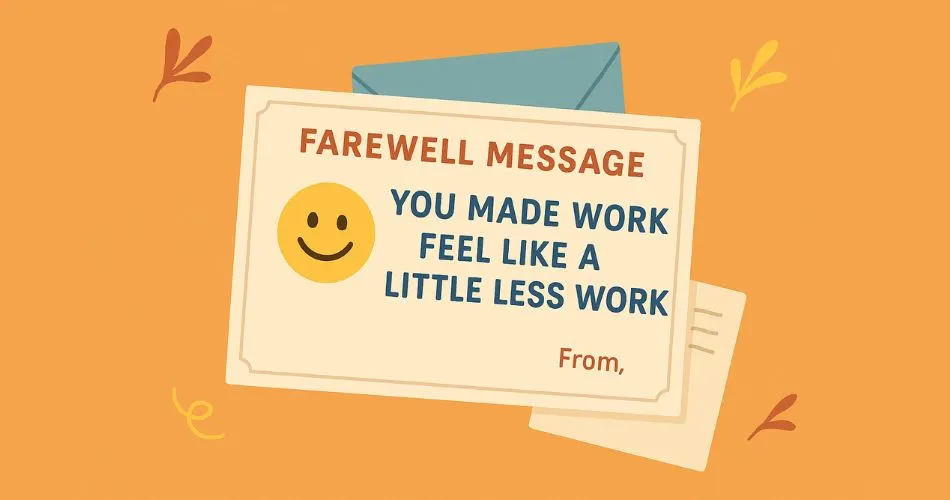
At most workplaces, we acknowledge goodbyes with a handshake or a group email. But let’s face it — that rarely feels enough. That’s where intentionality and a human touch come in. At Theecards.com, we’ve seen how something as simple as a personalized farewell eCard can make the act of leaving — or letting someone go — less painful, and sometimes even beautiful.
Let’s talk about how companies, team leads, and colleagues can make departures easier — not just for the person leaving, but for those staying behind too.
The Emotional Complexity of Goodbyes at Work
Here’s the truth: most of us aren’t equipped to deal with departures at work. We may crack a joke, bring in cake, or send a “Good luck!” on Slack, but deep down, a shift happens in the group dynamic. And when we don’t acknowledge it properly, it lingers.
Why are goodbyes so hard in the workplace?
- Because teams become like families. We rely on each other. We vent, laugh, brainstorm, and sometimes argue — just like siblings do.
- Because work is personal. Even if we say “It’s just a job,” the people we work with influence our motivation, creativity, and sense of belonging.
- Because uncertainty creeps in. When someone leaves, others may wonder: What changes now? Who will take on their work? What if more people leave?
So it’s not just about one person leaving — it’s about the small emotional earthquakes they leave behind. That’s why intentional farewell rituals matter so much.
A Real Story: When Maria Left
Let me share a quick story.
Maria was the kind of teammate who remembered everyone’s coffee order and never forgot a birthday. She wasn’t loud, but her presence made people feel calm. So when she announced she was leaving to pursue her dream job at a nonprofit overseas, the team was devastated.
The team lead, James, didn’t want it to be “just another goodbye.” So he reached out to each team member and asked them to write one memory or thank-you note for Maria. He compiled them all into a farewell eCards using Theecards.com, complete with inside jokes, heartfelt notes, and a few GIFs that made her laugh until she cried.
When Maria opened the eCard during her virtual farewell, she teared up. “I didn’t know I mattered this much,” she said. “This made leaving feel less like an end and more like a graduation.”
That eCard became her screensaver for months. And the team? They felt some healing too.
That’s the power of intentional goodbyes.
What a Thoughtful Farewell Really Means
Saying farewell isn’t about throwing the fanciest party or crafting the perfect speech. It’s about:
- Acknowledging someone’s contribution in a meaningful, specific way.
- Celebrating their growth and cheering them on in their next step.
- Allowing space for emotions — not pushing them away.
- Creating closure for the team, helping everyone move forward together.
These moments matter, especially in hybrid or remote workplaces where personal connection often takes a back seat. A farewell isn’t the time to gloss over the human part of work — it’s the time to lean into it.
How We Make It Easier: The Right Kind of Goodbye
If you’re a manager, HR professional, or just a thoughtful teammate, here are practical, simple ways to make leaving a little easier for everyone:
1. Start with a Personal Message
A direct message that says more than “Best of luck!” can go a long way. Mention a moment you shared, a lesson they taught you, or something you’ll miss. Keep it short, but sincere.
2. Create a Group eCard That Feels Like a Warm Hug
Use a platform like Theecards.com to gather farewell messages. These cards can be:
- Signed by the whole team
- Customized with fun visuals or a shared theme
- Sent digitally (great for remote teams)
- Downloaded later as a keepsake
It’s a small gesture with lasting emotional impact.
3. Organize a “Goodbye Huddle”
Don’t make farewells a footnote in a weekly meeting. Block out 15–30 minutes for a casual virtual or in-person send-off. Include stories, memories, and gratitude. This isn’t just for the leaver — it helps the team process change too.
4. Offer a Feedback Letter or Testimonial
A personal recommendation or letter of appreciation is more than a résumé booster. It’s a gift that says, “You mattered here. And you always will.”
5. Send a Thoughtful Gift (Doesn’t Have to Be Expensive)
A handwritten note, a small book, or a framed photo of the team — something physical or personal can bring a sense of groundedness as someone transitions out.
Farewells in the Remote World: More Than Just Slack Emojis
It’s even trickier when your team is remote. There are no desks to clear or farewell lunches to attend. Sometimes, people just disappear from the org chart one day.
Get emmawatson’s stories in your inbox
Join Medium for free to get updates from this writer.
Here’s how we can bring more humanity into remote departures:
- Schedule a dedicated virtual goodbye. Treat it like a celebration.
- Share a memory thread. Create a group thread or document where people can drop in kind words or memories.
- Use asynchronous eCards. Let people from different time zones contribute to a shared farewell card at their own pace.
- Send a surprise delivery. A little token or gift sent to their home can mean a lot when they’re logging off for the last time.
Why Farewell Rituals Matter for Team Culture
Creating a ritual around goodbye card isn’t about being sentimental for the sake of it. It’s about strengthening the culture of care within your organization.
Think of it this way: how you end things is just as important as how you begin them.
When you say goodbye well, you:
- Reinforce that people are more than job roles.
- Show that every person’s journey matters.
- Set a tone of emotional intelligence for the team.
- Increase the likelihood that the person leaving remains a brand ambassador — or even comes back in the future.
And let’s not forget the people who are staying. When they see that one of their own was honored with a warm and intentional send-off, they feel safer. They feel like they, too, will be valued if and when their time comes.
It creates a workplace people want to return to — even if they’re just visiting.
Making Space for the Hard Parts
Let’s be honest — sometimes people don’t leave under ideal circumstances. Maybe there’s tension. Maybe the decision was sudden. Maybe the departure triggered fears or insecurities.
You don’t have to pretend everything is perfect.
But you can still make the goodbye respectful, humane, and gracious.
Here’s how to approach trickier goodbyes:
- Stay professional but kind. Even if emotions are high, focus on the facts and express gratitude for the time you had.
- Avoid gossip. Don’t let speculation about “why they left” dominate the team space. Instead, steer the conversation toward reflection and team goals moving forward.
- Offer closure. If someone’s departure caused disruption, acknowledge it in a team meeting. Talk about how responsibilities are shifting and encourage open questions.
Sometimes, the classiest move is a simple farewell eCard that says: “We appreciated you. Wishing you the best in your journey.”
It doesn’t erase complications — but it elevates the humanity in the situation.
Team Traditions That Build a Legacy
Some workplaces have made farewell rituals a core part of their culture — and the results are beautiful.
Here are a few traditions you can adopt or adapt:
- “Last Lunch” ritual: The team takes the departing member to lunch (virtual or in person), and each person shares one sentence starting with “What I’ll remember most is…”
- The Memory Box: A shared document where team members drop photos, quotes, or notes. It’s exported into a PDF as a parting gift.
- Pass-the-Torch Notes: The person leaving writes a letter to their successor or to the team, sharing insights and wisdom.
- Monthly eCard Moments: If multiple people leave in a month, create a monthly group eCard tradition. Let it live in the company’s culture — something people look forward to receiving and sending.
It doesn’t take a big budget or an HR initiative. All it takes is a few people who care enough to do it differently.
Looking Back with Love
Here’s the thing: the people we work with shape more of our lives than we admit. They witness our growth, stress, creativity, and sometimes even our personal struggles.
So when someone leaves — whether after 6 months or 6 years — it’s worth pausing. Not just to say goodbye, but to say thank you.
Thank you for the time, the effort, the ideas, the energy. Thank you for showing up, for laughing at bad jokes, for being there in the trenches. Even if we didn’t always say it out loud — you mattered.
And thanks to tools like Theecards.com, we have a simple yet heartfelt way to say that out loud and in writing.
Because in the end, we don’t just work with people — we build stories with them. And when a chapter ends, we get to choose what kind of goodbye we write.
Let’s make it one they’ll never forget.
Final Thoughts
Leaving a team may never be easy, but it doesn’t have to be cold, rushed, or overlooked. With a few thoughtful actions — like a team-signed eCard, a shared memory session, or a kind message — we can help someone walk out the door with dignity, joy, and a lasting connection.
So the next time someone says, “I’m moving on,” take a breath, rally your team, and craft a goodbye that feels as full of heart as the time you spent together.
They’ll carry it with them — just like you’ll carry a piece of them forward, too.