How To Use grok vs chatgpt To Upgrade Your AI Workflow
Many creators and marketers now use more than one AI model. Each tool has strengths. Some answer fast and loose. Others stay structured and safe. A breakdown like grok vs chatgpt helps you pick the right model for each task instead of guessing.
Start with your real work, not features.
List the tasks you handle each week. For example.
- Research for content and scripts
- Drafts for emails, hooks, and captions
- Technical help for code, tools, or setups
- Voice mode for calls, notes, or idea checks
Next to each task, write what matters most. Tone, speed, depth, or safety. This gives you a simple grid. You match tools to needs.
From the grok vs chatgpt article, you see that Grok often leans into fast, bold, internet style answers. ChatGPT leans into structured, context aware replies. Instead of asking “which is better,” ask “which task fits which model.”
A simple rule.
- Use Grok when you want raw ideas, memes, or quick cultural context.
- Use ChatGPT when you want stable workflows, longer drafts, and client ready outputs.
Voice mode changes things again.
You can:
- Talk through a rough idea
- Brainstorm hooks out loud
- Walk through a problem while the AI suggests steps
If your tool supports voice on mobile or desktop, pin it like a team member. Use it to collect thoughts during commutes, walks, or breaks. The guide on grok vs chatgpt shares hacks for this, such as using voice notes to outline a full script in one take.
Get Errandh’s stories in your inbox
Join Medium for free to get updates from this writer.
Then move into hidden tricks.
Examples from the article include.
- Setting “roles” at the start of each chat so the AI stays in one persona
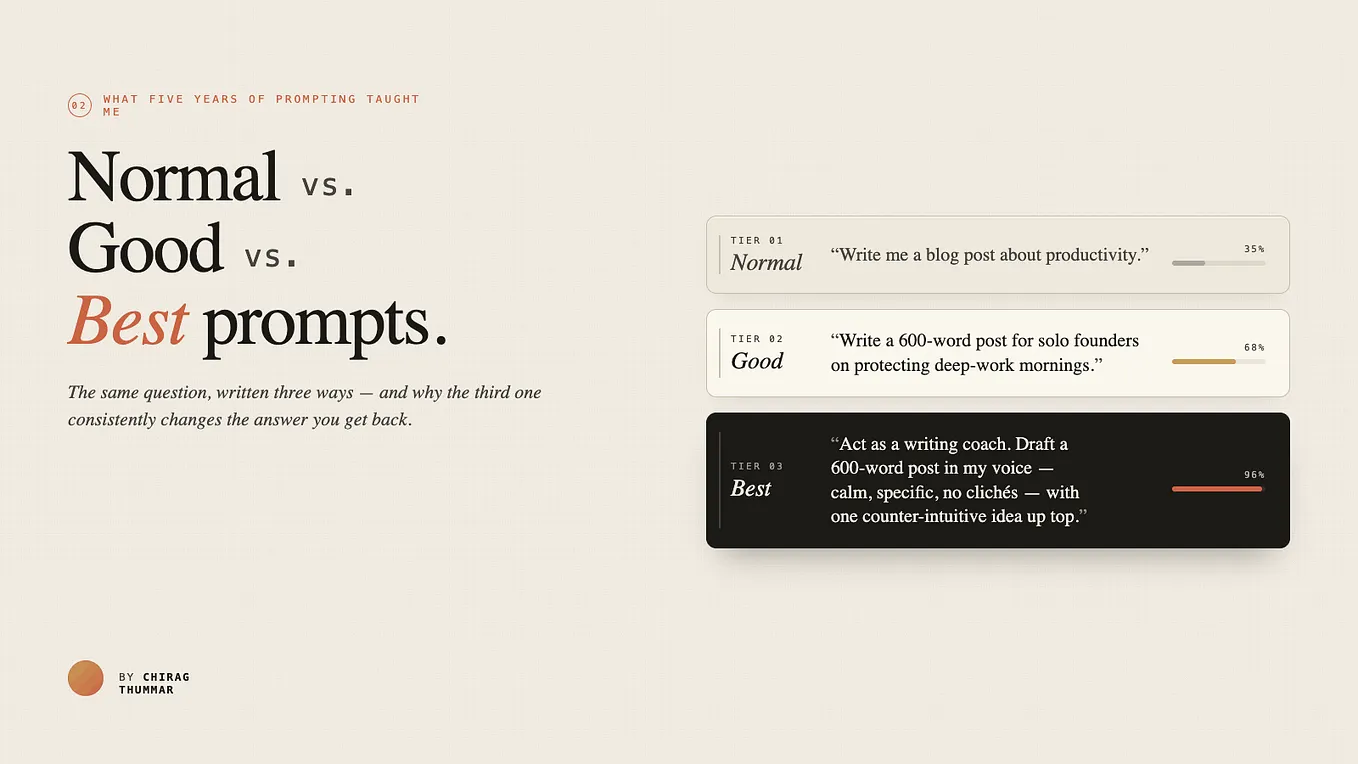
- Feeding short style samples before you ask for content
- Asking for checklists, not walls of text
These habits work on both Grok and ChatGPT. You get more reliable answers and less fluff.
Create a simple playbook for your own use.
Write down:
- When to open Grok
- When to open ChatGPT
- What format to ask for each time, such as outline, script, hooks, or FAQ
This turns AI use into a process, not a mood based action.
Finally, treat both tools like interns that learn from you.
Paste in your own past work. Tell the AI what you like. Ask it to copy tone, length, and structure. Save those prompts inside a notes file. The next time you sit to write, open grok vs chatgpt again, refine your hacks, and keep building on what works. Over time, you spend less effort on basic thinking and more on strategy and judgment.