The Word That Slipped Out Before We Meant It

Learning Singlish is not about mastering a language. It is about the quiet morning we stopped translating ourselves.
The first time, we didn’t understand a word.
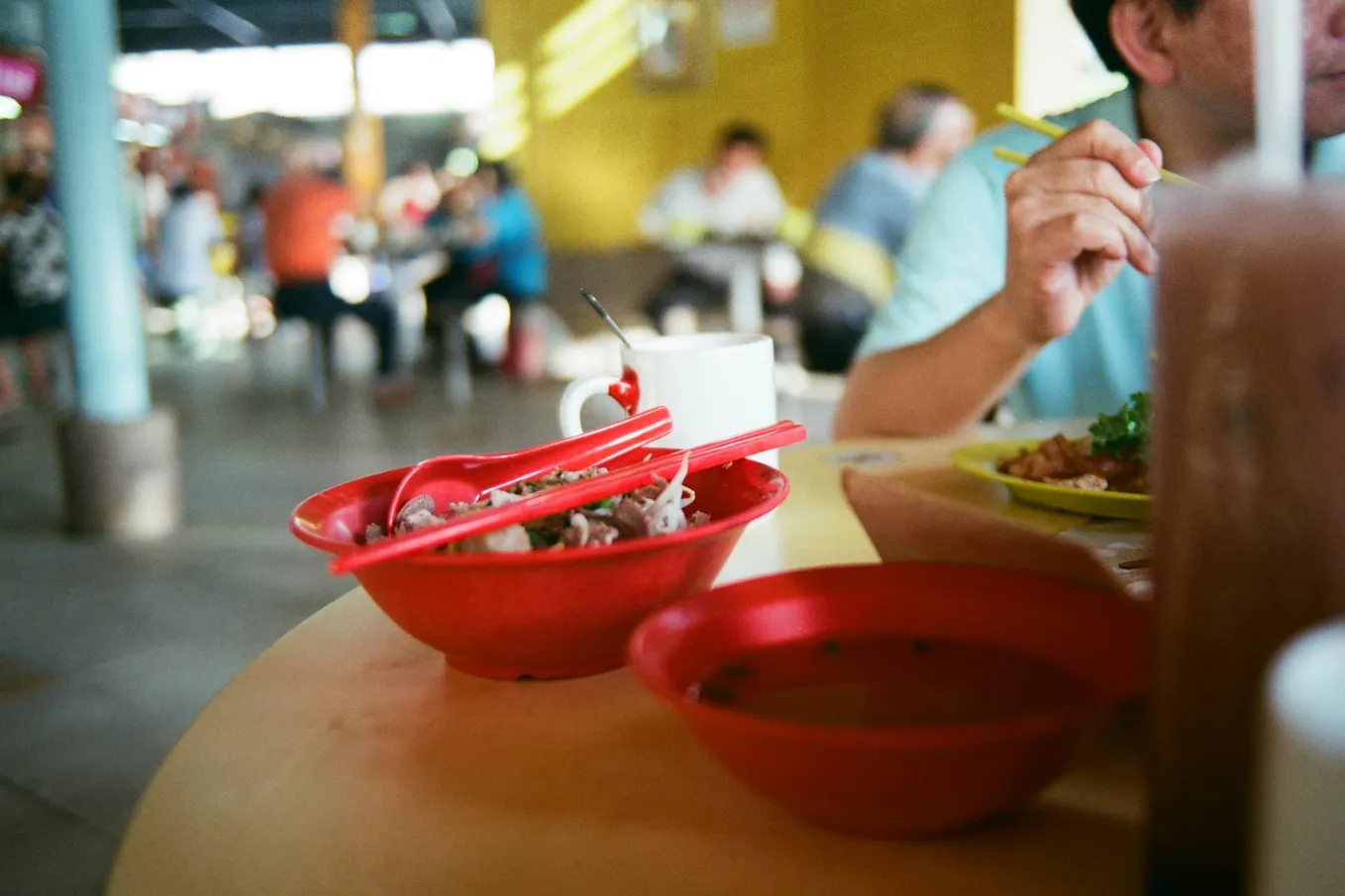
It was a hawker centre, one of the old ones, ceiling fans turning slow overhead and the smell of char kway teow hanging thick in the heat. A man leaned toward us over the counter and said something quick, something that ended in a small upward lah we couldn’t place. We nodded, the way you nod when you have no idea. He nodded back and slid a plate of noodles across anyway.
We ate them. They were good. We still don’t know if it was what we ordered.
That was years ago now. We think of it often, because it was the first time this island spoke to us in its own voice, and we realised we had only ever learned the polite, official one.

The Language Underneath the Language
We arrived fluent in English and thought that was enough.
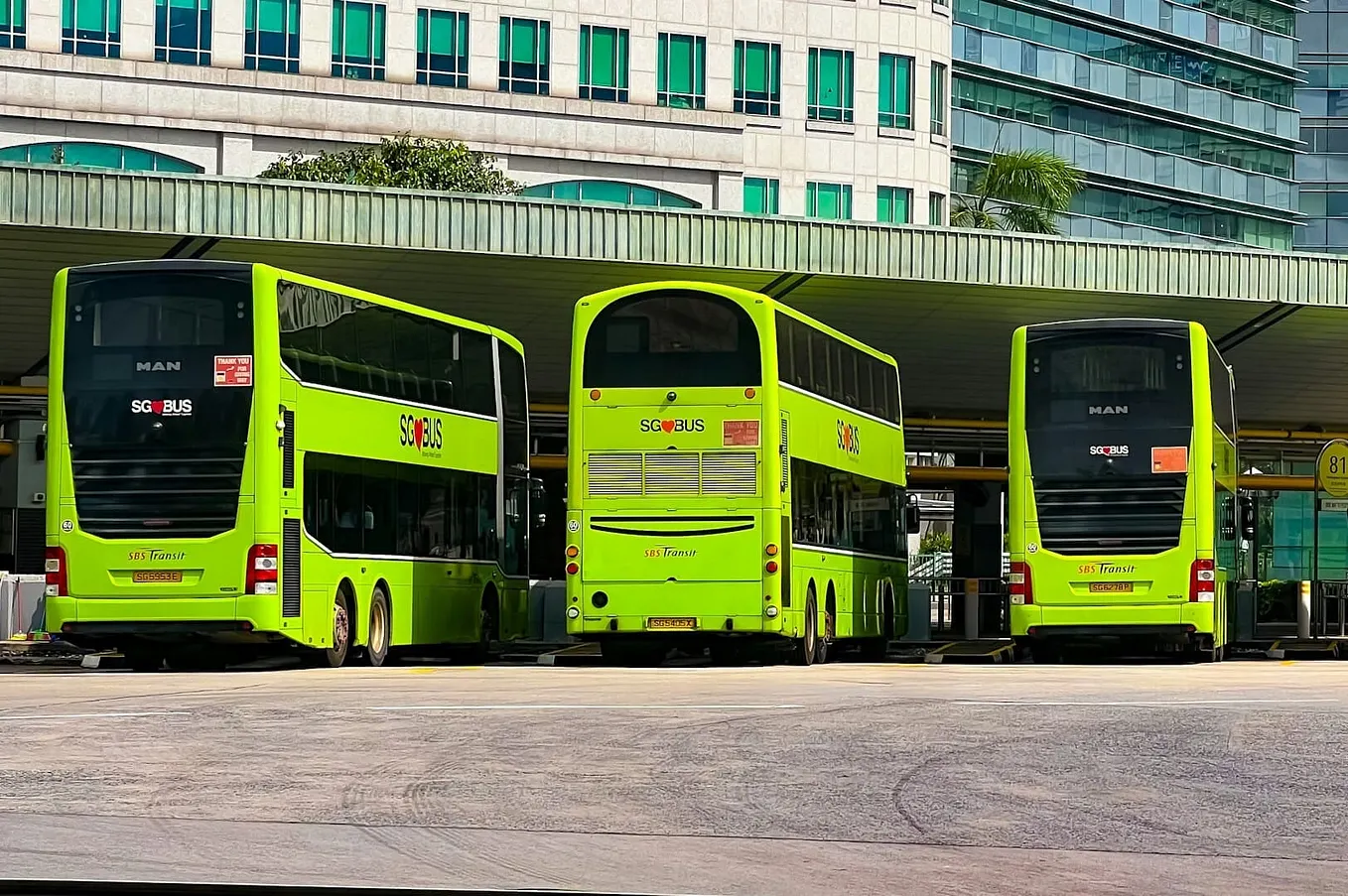
It wasn’t. Because the English we knew was the English of forms and meetings and airport signs: correct, useful, and somehow always keeping us at arm’s length. Then a colleague said can lah to close a decision, and a taxi uncle muttered this road kena jam as he turned down a side street, and we understood there was another Singapore running quietly beneath the one we’d been given.
Singlish is not broken English. It is Hokkien and Malay and Tamil and Cantonese and Mandarin folded into English over generations, until the seams disappeared. It is a whole country’s memory carried in a single particle at the end of a sentence.
And for a long time, we stood outside it.
We could speak to Singapore. We just couldn’t yet speak with it.
The Small Humiliations of Not Knowing
There is a particular loneliness in missing a joke everyone else understood.
Someone would say bo jio, no invite, with a grin, and the whole table would laugh, and we would smile a beat too late, the outsider’s smile, warm and empty. Someone called us blur sotong once, kindly, and we had to ask what it meant. A confused squid. We laughed, but we felt it too. That was exactly what we were. Lost in water we couldn’t read.
We learned paiseh early, because we needed it early. Shy, embarrassed, sorry to trouble you. It became our most-used word in those first months, a small apology we carried everywhere. Paiseh, can ask you something? Paiseh, I don’t understand.
Looking back, that word was honest. It named the truth of arriving somewhere new: a little ashamed, a little lost, always slightly in the way.
Every phrase we didn’t know was a small reminder that we were guests in someone else’s rhythm.
The Day It Slipped Out
We don’t remember deciding to learn it. That’s the strange part.
Get Expat life SG’s stories in your inbox
Join Medium for free to get updates from this writer.
One afternoon, tired and hungry, someone asked if we wanted lunch and we heard ourselves say makan already, lah before we had thought about it. It just came out, the lah landing soft and certain, the way we’d heard it a thousand times without noticing we’d been keeping it.
We stopped. The other person didn’t. To them it was nothing, just a sentence. To us it was a small door opening.
After that, more came. Shiok, for the first bite of laksa that actually undid us. Sian, on the long Monday mornings. Walao eh, the day the MRT stopped again and the whole platform sighed as one. We didn’t study these words. We caught them, the way you catch a rhythm from a room you’ve sat in long enough.
We didn’t learn Singlish. We soaked in it, until one day it came back out of us as our own.
What the Particles Were Really Teaching Us
We used to think the little words, lah, leh, lor, were decoration. Noise at the end of a sentence.
They aren’t. Lah is reassurance. Lor is quiet resignation, the sound of accepting what can’t be changed. Leh softens a request so it doesn’t press too hard. They are not grammar. They are feeling, made audible. A whole emotional register we’d been missing because our English had no room for it.
Somewhere in learning them, we softened too. We became less brisk, less eager to be efficient about everything. We started ending our own sentences gently. We stopped rushing the space between people.
And we noticed the other things the language had been protecting all along: the tissue packet left on a hawker table to chope a seat, a trust that no stranger would move it. The word kiasu, half a joke and half a confession, naming a whole way of being afraid to lose out. These weren’t quirks. They were a culture explaining itself, if only we listened long enough to hear.
The words were never the point. The belonging underneath them was.

The Table Where We Stopped Being Foreign
We were back at a hawker centre, not long ago. A different one, but the same fans, the same heat, the same smell of something frying.
We ordered our kopi the local way, no hesitation now, the string of instructions coming out clean. The uncle didn’t blink. He just made it and pushed it across, and there was no gap between us this time, no small pause of translation. Just a coffee, a nod, an ordinary exchange in a language that had become partly ours.
A friend at the table said we went for supper without them the night before. Bo jio, they said, mock-wounded. And we laughed, not a beat late this time, but right on time, from the inside of the joke.
It was such a small thing. It undid us a little anyway.
We don’t know how long we’ll stay on this island. We never do. The lease will lapse, the posting may end, and one day these words might live only in our mouths in some other country, confusing everyone around us.
But for now, we know the language underneath the language. We know how to say we’re full, how to say something’s good, how to say sorry for troubling you.
And on a hot afternoon, with a plate of noodles we actually meant to order, we understood that feeling at home was never about getting the words right.
It is the same kind of quiet attention I explored in the pencil and the pause. Sometimes understanding begins when we stop rushing to answer and simply let the moment teach us.
It was about the morning we stopped noticing we were speaking them at all.