Make it a Double: HOTEL ARTEMIS & FOXES

Jodie Foster comes of age in this art house look at teenage life in L.A.

Although some may argue the notion, Hotel Artemis looks poised to be the summer movie season’s most original studio offering. Drew Pearce’s directorial is bursting with tongue-in-cheek creativity and stirring relevance, carrying with it a combination of action, comedy, noir, drama and Jodie Foster.
Get Frank Calvillo’s stories in your inbox
Join Medium for free to get updates from this writer.
As the film’s central character, an older alcoholic medical professional known simply as The Nurse, Hotel Artemis represents one of the rare times the notoriously selective actress has actively sought out a role. The fact that she would devote her time and status to a novice director not only says a lot about the material, but also about Foster herself, and the faith she puts in first time filmmakers. It’s a trust she’s shown before, yet no time more rewarding than in Adrian Lyne’s 1980 teen drama Foxes.

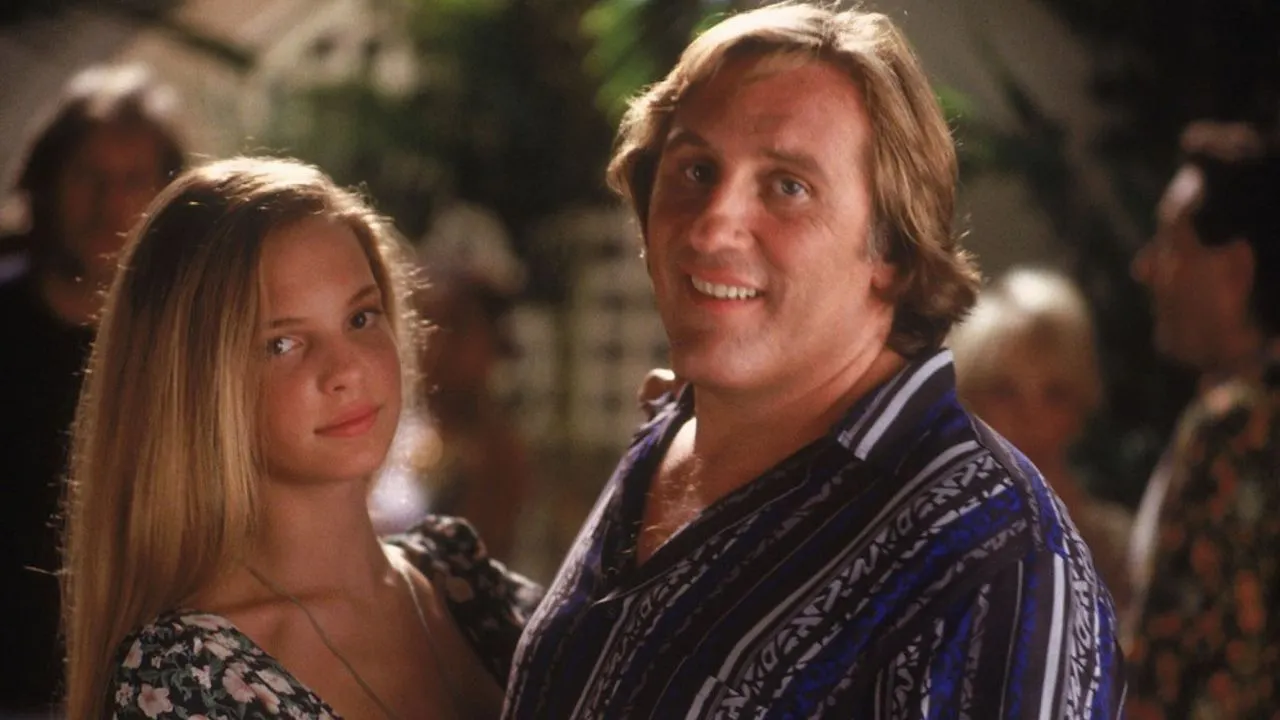
The most uncharacteristic of Lyne’s already uncharacteristic career, Foxes is the story of Jeanie (Foster), a Southern California teenager trying to navigate coming of age in late 70s San Fernando Valley with her friends Annie (Cherie Currie), Madge (Marilyn Kagan) and Deirdre (Kandice Stroh). Making things complicated for Jeanie is her touchy relationship with her mother Mary (Sally Kellerman) and the presence of Brad (Scott Baio), a local boy who finds himself intrigued by the girls known as foxes.

Foxes is perhaps one of the most underrated, yet utterly absorbing directorial debuts ever. Although the dreamy gauze Lyne would later trademark through the likes of Flashdance and Fatal Attraction, there’s no real sweet sugar coating at all in Foxes. The first time director takes a determinedly un-teen movie like approach with his debt feature, abandoning the campy delights of Rollerboogie or even Foster’s own Freaky Friday for an upfront look at teenage life in Southern California. Perhaps the biggest elements separating Foxes from other teen films is Lyne’s auteur instincts and the movie’s non-linear script. Much like the quartet at the center of the film, Foxes remains carefree with its narrative, opting for moments rich in mood and tone rather than straightforward ones heavy on conventionality and plot. In some respects, Foxes can be seen from an avant-garde perspective; a piece of cinema which avoids being clear cut, choosing instead to be just as free-flowing and unpredictable as the life of any 16-year-old girl.

There’s a morbid fascination about Foxes in regards to the way it depicts teenage life in Los Angeles. Just the standard day-to-day of the movie’s characters says so much about the alient world they inhabit. Jeanie’s friends routinely stay over at her house before getting themselves together just in time for class while her mother is in bed down the hall with her latest lover. The girls mingle with known pimps and dealers on Hollywood boulevard on their way home from school as if they were neighborhood locals and Jeanie even manages a heart to heart with own father (a record label promoter) backstage at a rock concert. At the same time, Foxes isn’t shy about confronting issues faced by any teenage girl, regardless of social experience. There’s Jeanie’s complicated relationship with Mary, Dierdre’s dude wrangling, Madge’s whirlwind romance with a 20-something man (Randy Quaid) and Annie’s growing dependency on drugs and alcohol. As a movie about the life of a teen girl, Foxes never forgets to laugh on occasion through a handful of touching scenes where the girls are allowed to just enjoy being girls. Yet not once does it shy away from the complex reality surrounding them.

Foxes remains one of those oft-forgotten Jodie Foster titles made between her early 70s success of Disney and Taxi Driver and her emergence as an acting force in the late 80s with The Accused. Still, watching the future Oscar winner here, one can note the level of commitment, skill and soulfulness which would later define some of her greatest acting achievements. Her lesser-experienced counterparts hold their own, particularly Currie as the troubled Annie. Known up until then as the lead singer for The Runaways, the novice actress manages to prove her acting chops in what ends up being the film’s most devastating role. Baio is a nice presence, even if his (and Quaid’s) part in Foxes is purely peripheral, while Kellerman soars in her scenes opposite Foster, making one almost long for a movie solely exploring their own relationship.

Despite getting a decent amount of critical acclaim, including praise from the great Roger Ebert, Foxes failed to take off at the box office when released in January 1980, with audiences not knowing what to make of this racy art film featuring teenage Californians. The film was soon forgotten thanks to the surprise popularity of the similarly-themed Little Darlings, whose mix of scandalousness and fluff was seen as more palatable by audiences of the day. If Foxes is cited today at all, it’s by music lovers, who credit the film with introducing Donna Summer’s “Last Dance” to the world when the tune was released as the movie’s theme song.

One of most peculiar aspects of Foxes is how it’s a film caught between eras; the fading out of the disco-themed 70s and the creeping in of the materialistic 80s. Yet it’s this quality which gives the film a real uniqueness. There’s something magical about how unclassifiable the movie remains with it’s teenage themes set against its city of angels trappings. In some ways, Foxes couldn’t have been made in any other period of time BUT at the closing of the 70s. The movie is a testament to the time in a girl’s life when life as they know it is unpredictable and in many cases, impossible to define. While both the era and the world the characters find themselves in may defy categorization, they exist in a wholly enduring fashion that’s as frozen as it is transcendental.