What is Integrated Training

Integrated training is a holistic exercise philosophy that merges all aspects of fitness into a single, powerful system. This includes:
- Flexibility: Improves range of motion and reduces injury risk.
- Cardiorespiratory: Enhances heart health, lung function, and endurance.
- Core: Strengthens the core muscles for stability and better posture.
- Balance: Develops coordination and prevents falls.
- Plyometrics: Increases power and explosiveness.
- Speed, Agility, and Quickness (SAQ): Improves reaction time, change of direction, and overall athleticism.
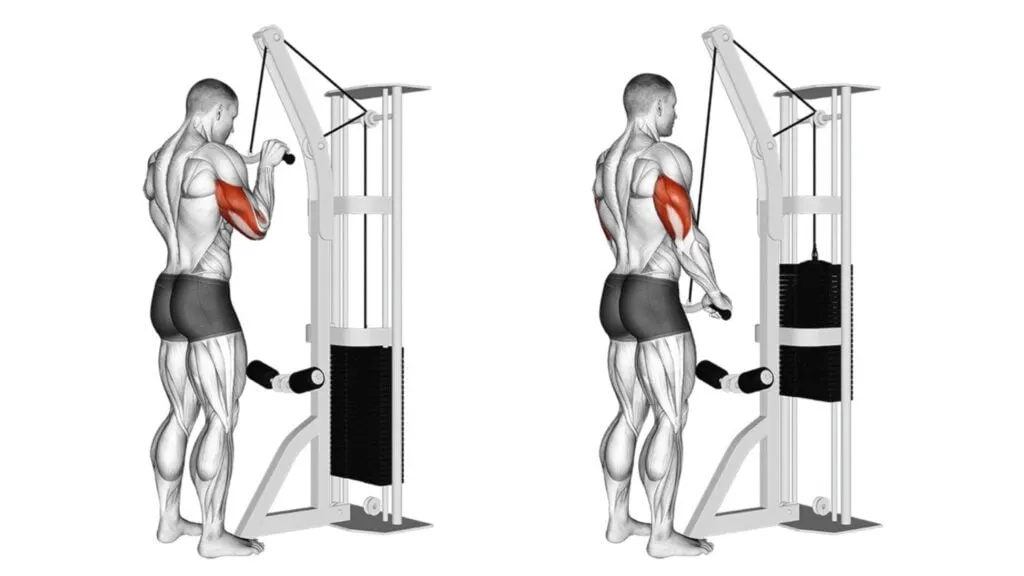
- Resistance Training: Builds muscle strength and definition.

Fitness Quotes To Keep You Inspired Through Workout And Diet Routines
Benefits Of Integrated Training
By using integrated training principles, certified personal trainers can design a lot of exercises and programs. This translates to:
- Customized Programs: Design tailored workout plans that address a wider range of client goals, from stress reduction to athletic performance enhancement.
- Improved Client Outcomes: Deliver results across multiple dimensions — physical, psychological, and performance-based.
The Science Behind Integrated Training
Research by DiStefano et al. (2013) and Reilly et al. (2009) confirms the superiority of integrated training compared to isolated exercise approaches.
Get FIT LIFE REGIME’s stories in your inbox
Join Medium for free to get updates from this writer.
These studies demonstrate significant improvements in:
- Movement quality
- Speed and agility
- Strength
- Endurance
- Flexibility
- Power
The Pillars of Integrated Training
While variety is a key component, effective integrated training goes beyond simply throwing together different exercises. Here are additional principles for creating successful programs:
- Systematic and Progressive Training: Gradually increase intensity and complexity to ensure continued improvement.
- Fundamental Movement Patterns: Focus on core movements like squats, hinges, pushes, and pulls.
- Optimal Posture: Train with proper form to prevent injury and maximize effectiveness.
- Full Range of Motion: Utilize exercises that challenge the entire range of motion in each joint.
- Multiplanar Movement: Train in all three planes of motion (sagittal, frontal, and transverse) for well-rounded development.
- Variable Manipulation: Adjust sets, reps, rest periods, and other variables to target specific goals.
- Client-Specific Design: Base programs on individual assessments, considering goals, needs, and limitations.
Complete List Of Gym Equipment And Machine Names With Description
Conclusion
Integrated training empowers fitness professionals to create truly impactful programs for their clients. By embracing this comprehensive approach, you can unlock a new level of effectiveness and deliver exceptional results.