Death Stranding 2: On the Beach — Review

You saw a video game in 2019. A post-apocalyptic one, warning against the era of the individual — where you can buy cheap PS4 games to explore these themes from the comfort of your bunker. Sympathizing with all the loners out there. Kojima and his team wanted to stress that even now, with all this social media and division and the way we close ourselves off, you are still part of a bigger thing. History. Culture. Death Stranding gave you that sense of belonging, sure. But it also gave you this huge space of time to just be alone with yourself. In the silence. Before the next delivery. The reconstruction of America through that chiral network thing. And Kojima treated it like a gaming response to Trump’s wall plan. Or Brexit. He saw these as major warning signs that we, as people, as groups, as entire countries, prefer to lock ourselves up in a fortress instead of just uniting, which is a choice that feels like a tightness in your chest when you think about it, a kind of clenching. I express my condolences because our poor Hideo had no idea what was coming in the 2020s. So naive. A full-scale war in Ukraine, the genocide in Gaza, Trump back with his brilliant ideas about Greenland and the Panama Canal, and bombing Iran. The world has exploded, radicalized, and polarized. You can feel it in your homeland too, that soreness after those bloody elections. Where do you even look for a caesura here? A rotten symbol instead of a real cause? Kojima would answer clearly. In the times of the coronavirus. The same ones we have already forgotten, the ones that marked our social habits and behaviors for years to come. And we won’t know the full cost for decades. Or ever.

How Kojima’s Loneliness Fueled the Game
You can feel it in the air before he even says a word, especially when you’re looking to buy cheap PS5 games and he’s about to reveal a great deal. Kojima’s isolation, the kind that sticks to you. The inability to meet his subordinates directly, logistical problems with organizing a motion capture session in Los Angeles, the need for eye surgery, and the general instability of reality caused Hideo to fall into the trap of loneliness again. The same loneliness that haunted him for most of his life fueled his works and would find its answer in the first Death Stranding. Well, the stairs have only just begun, and Kojima, while producing the sequel, experienced first-hand what his original creation — Sam Porter Bridges — was struggling with. But I would like to reassure you all that we will continue to strengthen the bonds between people and communities. This time in other countries, because we will visit Mexico and Australia. We get an identical gameplay loop, and the whole thing is not a mechanical revolution, but rather a construction on proven foundations. Ziplines, bridges, aerobags, temporal shelters — most of the familiar structures and tools return. A few new features have been added, for example, in the form of water cannons that quickly extinguish the spreading fire, and in addition to the highways of the future, we can also expand the network of air railways transporting both players and valuable goods. Simple as that.
Get Gamesgate’s stories in your inbox
Join Medium for free to get updates from this writer.

From Iceland to Mexico’s Diverse Biomes
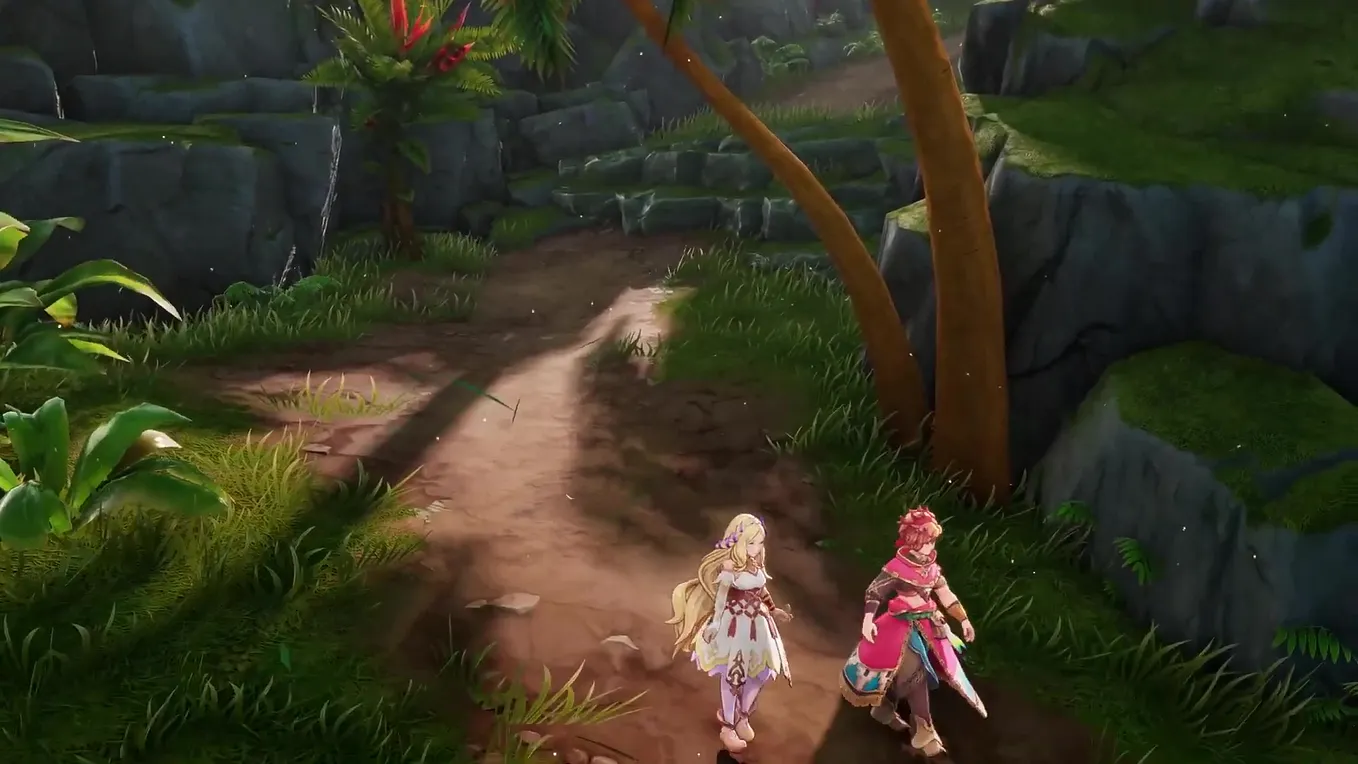
I notice the biggest differences from Death Stranding in terms of exploration, and it hits you right in the chest when you first step out, that feeling of new ground under your boots. Although moving, climbing and driving are still similar and equally addictive and calming, we traverse completely different types of terrain, which is mainly due to the topography and climate of the countries visited, the rather austere and uniform Scandinavian views from the first movie (even though the action took place in the USA, the open spaces were modeled on Icelandic islands) were replaced with various biomes with striking colors, here and there covered with lush vegetation, and in a few places even — oh my! — welcoming local fauna. But there is grit here. In addition, the number of atmospheric anomalies has been significantly increased, and seismic phenomena have been added. So, in the Mexican deserts and Australian dunes, I fought my way through a sandstorm with lightning. Crossing snowy and sandy peaks, I tried not to be pushed by gusty winds and avoided nearby avalanches. I also tried to get out of the tropical forest engulfed in fire, and as a way to relieve stress, I started surfing the surrounding waters on my coffin board (don’t ask), only to start jumping off a cliff a moment later, just like in 3D platformers like Kangaroo Kao. Quest designers took care — both in the main plot and in side missions — to present the player with all the facets of the open world, so there is really no boredom, unless the positive one resulting from consistently, slowly traversing kilometers of hills, plains, and valleys. It becomes a rhythm you trust.

Conclusion
Speaking of tasks, it is worth mentioning a completely different emphasis in the context of combat, and it changes how you breathe through the fingers of your controller. In the first part, we were rather warned about the consequences of killing and discouraged from engaging in skirmishes. Of course, firefights took place regularly, but — apart from fights with bosses and the Resurfaced — we were never forced to do so. In Death Stranding 2, the situation is completely different. The bandit camps are located in such a way that it is difficult to avoid them, and some missions even require the elimination of all targets in a given base. I consider the associations with Metal Gear Solid to be fully justified, and not only due to the fact that one of the key characters — Neil Vana — wears a bandana that makes him look like one of the Snakes. The stealth aspect plays a much more important role here than in the previous installment — very often we have to stealthily go through quite large military complexes. Because they take away your ability to choose. So what do you do then, when the road forces you to become someone else?