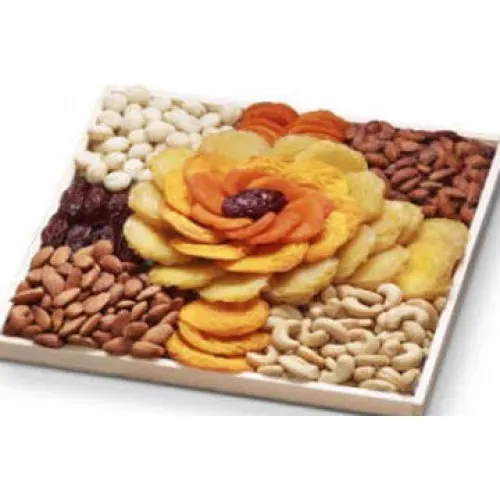
Why is Dried Fruit So Expensive?

In recent years, the cost of dried fruit has left many consumers raising their eyebrows in the grocery store aisles. As a health-conscious society increasingly turns to dried fruits for their nutritional benefits, the soaring prices have sparked curiosity and concern. This article aims to delve into the reasons behind the seemingly steep cost of dried fruits, shedding light on the intricacies of the production process, market dynamics, and the impact on your wallet.
1. Labor-Intensive Harvesting
One primary factor contributing to the elevated price of dried fruits is the labor-intensive harvesting process. Unlike fresh fruits that can be mechanically harvested, dried fruits often require meticulous hand-picking to ensure only the ripest fruits make the cut. This intricate process, demanding both time and human effort, significantly adds to the overall production cost.
2. Rigorous Drying Techniques
The journey from fresh fruit to dried delight involves intricate drying techniques. To preserve flavor and nutritional value, fruits undergo controlled drying processes, sometimes involving specialized equipment and technology. These methods, while essential for quality, contribute to the expenses that ultimately translate to the product’s price tag.
3. Quality Standards and Sorting
Maintaining high-quality standards is paramount in the dried fruit industry. Sorting through batches to remove imperfect or damaged fruits adds an extra layer of cost. Consumers often overlook the meticulous work that goes into ensuring each piece meets stringent quality criteria, resulting in a premium price for the final product.
4. Packaging and Storage
The packaging of dried fruits involves careful consideration of preserving freshness and preventing spoilage. The materials used, along with the storage conditions, play a pivotal role in determining the overall quality of the product. These measures contribute significantly to the expenses incurred before the product reaches the consumer, affecting its price.
5. Climate and Agricultural Challenges
The cultivation of fruits suitable for drying is subject to various climatic and agricultural challenges. Unpredictable weather conditions, pests, and disease management all influence the yield and, consequently, the pricing of dried fruits. Farmers often grapple with these uncertainties, impacting the overall supply and pricing of the final product.
6. Transportation Costs
The journey from orchard to consumer involves transportation, and the associated costs play a role in the final price. Whether fruits are sourced locally or internationally, transportation expenses, including fuel, packaging, and handling, contribute to the overall cost. Fluctuations in fuel prices and global economic conditions can further impact these costs.
7. Health and Nutrition Trends
The surge in demand for healthy snacks has led to an increased interest in dried fruits. As consumer preferences shift towards nutritious options, the market responds accordingly. This heightened demand often leads to an equilibrium where prices reflect the perceived value of the product in the eyes of the health-conscious consumer.
8. Economic Factors
Economic factors, such as inflation and currency fluctuations, can have a cascading effect on the price of dried fruits. Suppliers and producers may adjust prices to maintain profitability amidst changing economic landscapes, adding another layer of complexity to the pricing structure.
9. Limited Shelf Life
Dried fruits, despite their preservation techniques, have a finite shelf life. The risk of unsold inventory expiring adds pressure on suppliers to recoup their investments, influencing the pricing strategy. Consumers essentially bear a portion of the risk associated with potential product losses.
10. Brand Influence and Marketing Strategies
Established brands often invest heavily in marketing, creating an image of quality and reliability. While this can contribute to higher prices, it also provides consumers with a sense of confidence in the product’s authenticity and standards. Marketing strategies and brand positioning are integral components influencing the perceived value of dried fruits.
Get Gta Gift Basket’s stories in your inbox
Join Medium for free to get updates from this writer.
In conclusion, the seemingly high cost of dried fruits is a multifaceted result of labor-intensive processes, quality standards, climate challenges, transportation costs, and the evolving landscape of consumer preferences. Understanding these factors unveils the intricate web that determines the price we pay for these delectable and nutritious snacks. So, the next time you indulge in a handful of dried fruits, remember that behind every bite is a journey of meticulous craftsmanship and a chain of factors shaping the price on the shelf.