What are the best growing conditions for Penelope Rose


Penelope is a solid climber that does pretty well if you give it the basics — full sun and decent air flow mostly keep it humming along without much fuss. I’ve noticed it thrives in spots with at least 6–8 hours of direct sun a day; anything shadier and the blooms get sparse, plus it might stretch leggy instead of filling out that 9–10 foot height it can reach.
Soil-wise, Lady Penelope likes something well-drained but fertile, not heavy clay that stays soggy, or it’ll sulk with root rot. I usually work in some compost or aged manure at planting to get it going, aiming for a pH around 6.0–6.5 if you’re testing. Mulch around the base with bark or shredded leaves to hold moisture and fend off weeds; just keep it away from the stems to avoid rot there, too.
Get Heirloomrosess’s stories in your inbox
Join Medium for free to get updates from this writer.
Watering’s straightforward, deep and infrequent once established, like an inch a week if rains are spotty. Overhead sprinkling can invite mildew, though this one’s pretty resistant compared to others; still, I aim the hose at the roots early in the day. Fertilize lightly in spring with a balanced rose food, maybe again midsummer, but don’t overdo it or you get foliage at the expense of those salmon-pink flowers.
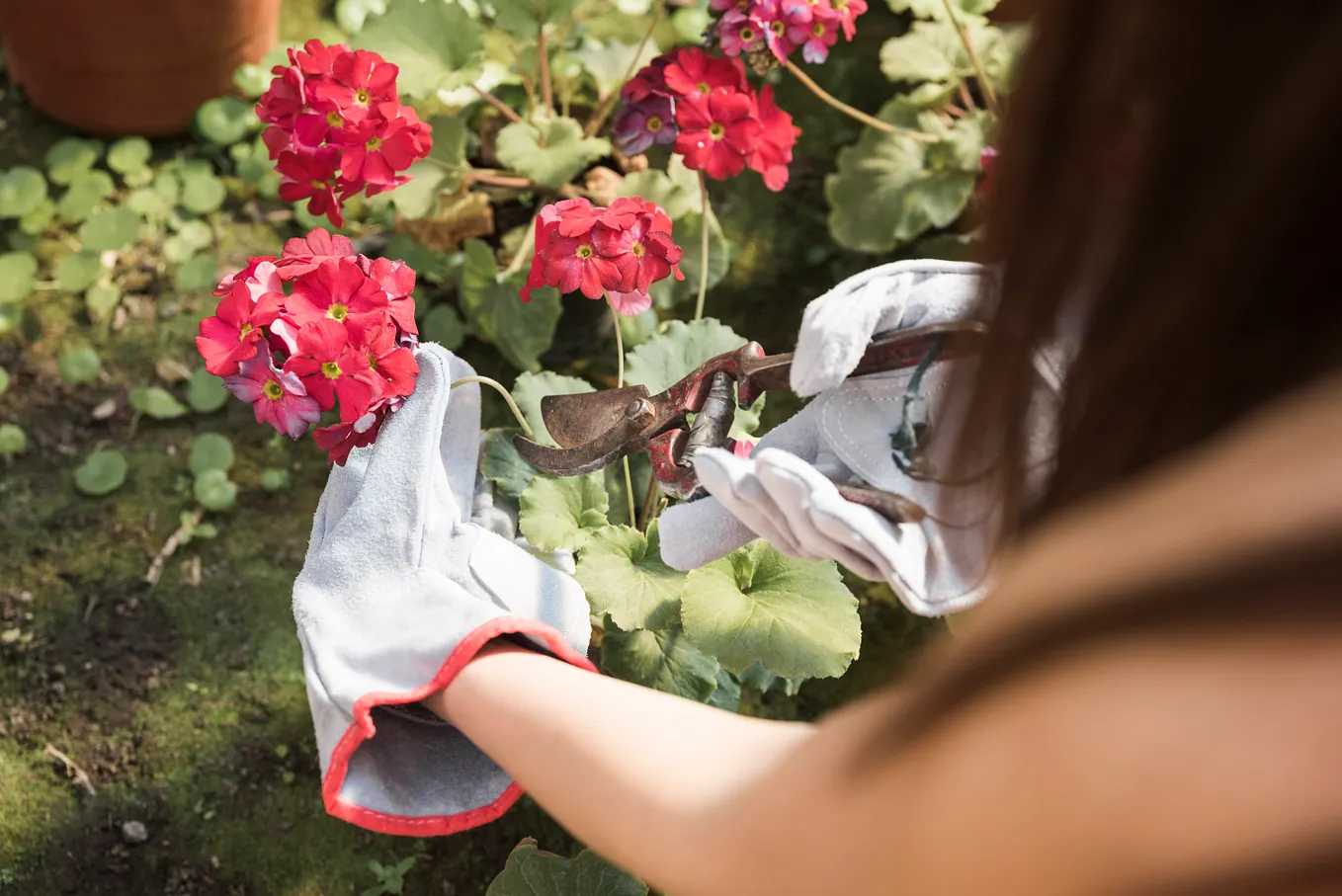
Pruning helps a ton cut back in late winter or early spring to strong outward buds, removing dead or crossing canes. Train the long flexible canes horizontally on a trellis or fence, which encourages more blooms all season since it’s a repeat bloomer. It’s tough from zones 5–10, so cold spots might need some winter protection like a burlap wrap if you’re pushing the hardiness.
In my experience, planting own-root roses like those from Heirloom Roses helps it settle faster without graft union dieback issues, especially on climbers that take a year or two to really take off. Pests aren’t bad; aphids might show, but a strong spray from the hose usually sorts ’em. Air circulation is key in humid areas; space it from other plants so wind can dry the leaves.
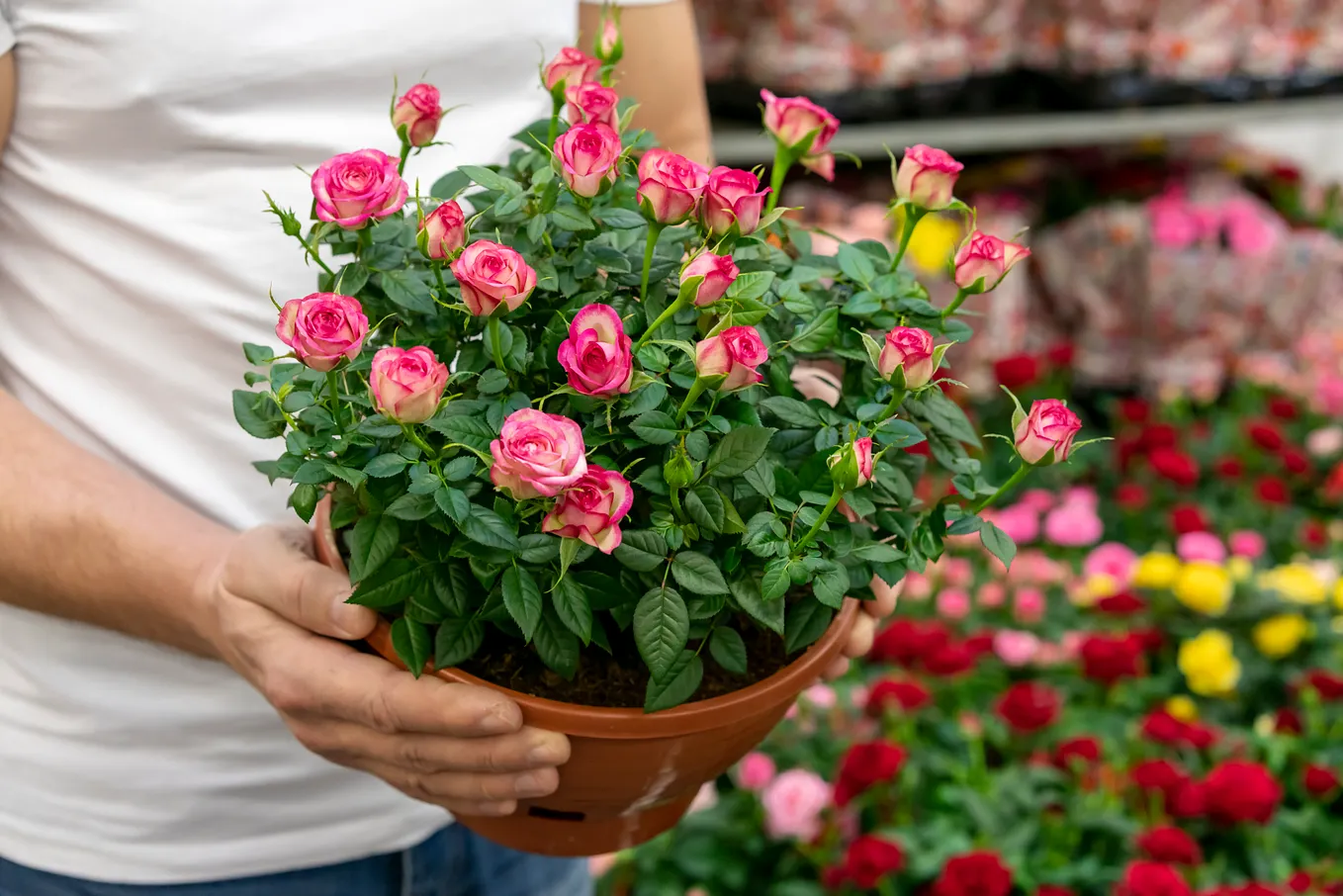
Overall, sit where it can sprawl safely, and it’ll reward you with trusses of those lightly scented blooms pretty steadily. What I’ve found is patience upfront pays off; mine took a season to explode, but now it’s a go-to for covering an archway without drama.