8 best practices to prevent knee injury

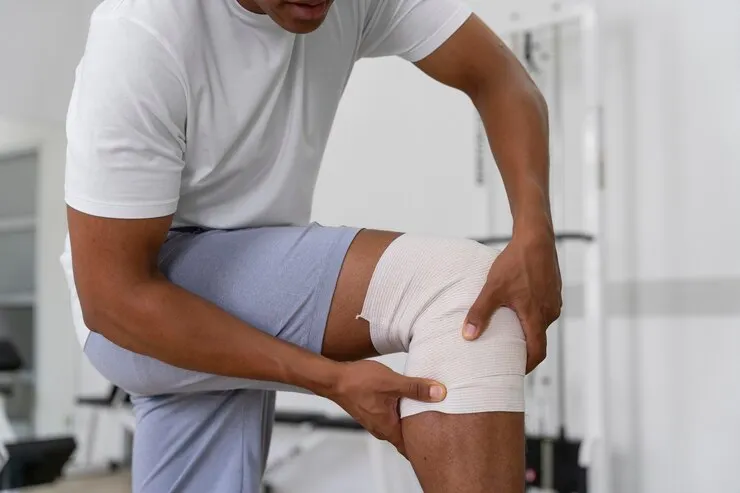
Our knees, intricate masterpieces of anatomy, propel us through life’s journeys. From strolls to athletic endeavors, they bear the brunt of our movement. Yet, these remarkable hinges are susceptible to injury, often derailing our active lifestyles. Preventing knee injury is paramount, whether you’re a seasoned athlete, a weekend warrior, or simply enjoy daily walks. Here, we delve into eight essential practices that act as pillars of protection for your knees:
1. Weight Management: Lightening the Load on Your Levers
Carrying excess weight is like asking your knees to climb uphill constantly. Every pound exerts significant pressure on these joints, increasing wear and tear and preventing knee injury. Losing a modest amount, 5–10% of your body weight, can significantly reduce strain. Aim for a healthy weight based on your BMI and consult a doctor or registered dietitian for personalized guidance. Remember, shedding pounds isn’t just about aesthetics; it’s an investment in your future mobility.
2. Warm Up: Priming Your Engine for Action
Imagine starting your car on a freezing morning without warming it up. Like a cold engine, stiff muscles are prone to tears and strains. Before any activity, engage in a dynamic warm-up to get your blood flowing and increase flexibility. Think light cardio like brisk walking, jogging, or jumping jacks, followed by dynamic stretches that mimic the movements you’ll be performing. This prepares your muscles and joints for action, significantly preventing knee injury.
3. Strengthening Your Support System: Building a Fortress Around Your Knees
Think of your leg muscles as your knee’s natural armor. Strong quadriceps, hamstrings, and calves act as shock absorbers, deflecting stress from your joints. Incorporate strength training exercises like squats, lunges, and calf raises into your routine at least 2–3 times per week. Don’t underestimate the power of bodyweight exercises either — wall sits, single-leg squats, and glute bridges are excellent options. By actively building strength, you create a robust support system, preventing knee injury before it even occurs.
4. Choose Wisely: Low-Impact is Key, Not Just a Fad
High-impact activities like running or jumping can be jarring for your knees, especially if you have pre-existing conditions or improper form. Opt for low-impact options like swimming, cycling, elliptical training, or water aerobics to maintain fitness without excessive stress. These activities provide excellent cardiovascular benefits while preventing knee injury due to their minimal joint impact. Remember, variety is vital; incorporating low-impact options keeps your workouts enjoyable and your knees healthy.
5. Listen to Your Body: Respecting the Pain Signals
Pushing through pain is a recipe for disaster. Your body sends pain signals for a reason — to alert you to potential damage. If you experience knee pain during exercise, stop immediately. Ignoring it can exacerbate the issue and lead to a more severe knee injury. Rest, ice the area if necessary, and consult a doctor to identify the cause and establish a safe recovery plan. Remember, listening to your body is the ultimate form of self-care and preventing knee injury.
6. Proper Footwear: Finding Your Perfect Fit, Not Just a Fashion Statement
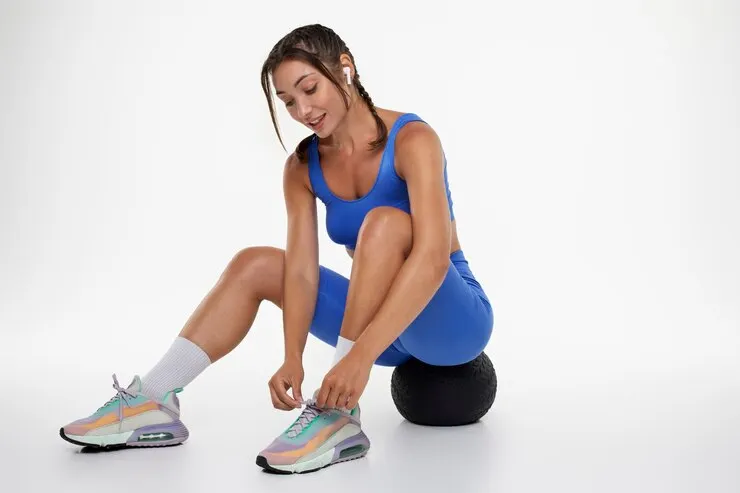
Your shoes are your foundation, literally. Ill-fitting footwear can throw off your gait and alignment, putting undue stress on your knees and preventing knee injury. Choose supportive shoes that match your activity and foot type. Running shoes offer cushioning and stability while walking shoes emphasize comfort and flexibility. Don’t hesitate to visit a sports store and seek professional advice for a personalized shoe fitting. Remember, the right shoes don’t just look good; they protect your knees, too.
7. Stretch It Out: Maintaining Flexibility, Not Just Showing Off Poses
Tight muscles are like restrictive cables, limiting your range of motion and placing additional strain on your knees. Regular stretching, focusing on your hamstrings, quadriceps, calves, and glutes, improves flexibility and reduces the risk of knee injury. Aim for at least 2–3 dedicated weekly stretching sessions, holding each stretch for 20–30 seconds. You can integrate static stretches after workouts or incorporate dynamic stretches into your warm-up routine. Remember, flexibility is not just about showing off impressive poses; it’s about keeping your knees healthy and mobile.
8. Seek Professional Guidance: Prevention is Better Than Cure
Consulting a physical therapist can be a game-changer if you have pre-existing knee conditions. They can design a personalized program to address weaknesses and imbalances, potentially preventing future knee injuries. They can also teach you proper strengthening and stretching techniques, ensuring you perform exercises safely and effectively.
9. Balance Training: Finding Your Center (Literally)
Balance plays a crucial role in knee stability. Weak core muscles and poor proprioception (body awareness) can increase your risk of falls and awkward landings, both significant contributors to knee injury. Incorporate balance exercises like single-leg stands, wobble boards, and tai chi into your routine to enhance stability and confidence, keeping your knees safe on even ground.
10. Plyometrics: Power Up with Caution
Plyometric exercises involve explosive movements like jumping and hopping, offering excellent benefits for power and agility. However, they can be demanding on the knees, primarily if not performed with proper technique and a strong foundation. If you’re a beginner, prioritize building strength and stability before venturing into plyometrics. Start with low-impact options like box jumps or jump squats and gradually progress with proper guidance. Remember, controlled power is critical for preventing knee injury.
11. Recovery is Key: Nourishing Your Body and Mind
Even the most well-prepared knees need time to recover. Adequate sleep, proper hydration, and a balanced diet rich in nutrients that support joint health are vital. Consider incorporating anti-inflammatory foods like fruits, vegetables, and omega-3 fatty acids into your diet. Active recovery techniques like foam rolling and self-massage can also aid muscle recovery and prevent knee injury. Remember, taking care of your overall well-being translates directly to healthy knees.
12. Listen to Your Knees, Not Just Trends
The latest fitness trends might not always be your knees’ best friends. Before jumping on the bandwagon, evaluate new activities considering your fitness level, existing conditions, and potential impact on your joints. Consult a healthcare professional or certified trainer for personalized advice and modifications to ensure the activity aligns with your knee injury prevention goals.
13. Embrace Orthotics: Supporting Your Foundation
If you have biomechanical abnormalities like flat feet or high arches, orthotics can offer valuable support, improving alignment and reducing knee stress. Consult a podiatrist for assessment and custom orthotics if needed. Remember, proper alignment goes a long way in preventing knee injury.
14. Mind-Body Connection: Stress Less, Move Better
Chronic stress can wreak havoc on your body, including your knees. Relaxation techniques like yoga, meditation, and deep breathing can help manage stress, promote better sleep, and improve body awareness, all contributing to preventing knee injury. Remember, a calm mind often translates to a healthy body.
15. The Power of Knowledge: Educating Yourself for Empowerment
Knowledge is power, especially when it comes to your health. Educate yourself about common knee injuries, risk factors, and preventive measures. Consult reliable sources like healthcare professionals, physical therapists, and reputable websites. The more you know, the more proactive you can be in preventing knee injury and maintaining optimal knee health.
Get hipkneeortho’s stories in your inbox
Join Medium for free to get updates from this writer.
Written By hipkneeortho.com.sg
Follow Us On
pinterest.com: HipandKneeOrthopaedics
Facebook: hipkneeorthosg
Instagram: hipkneeorthosg