Top Game Development Trends in 2026: What Studios Should Watch

The gaming industry keeps changing as new technology and player demands shape what’s possible. Looking ahead to 2026, several key trends will affect how games are made. From AI to cloud gaming, studios need to keep up to stay competitive. This guide highlights the top trends your studio should watch to succeed. Here’s what to expect.

Game Development Trends in 2026 That Studios Should Watch
Game development is full of new ideas and progress. Which trends are shaping the work of leading studios making multi-platform games in 2026? Studios are using AI in game design and exploring cloud gaming to create better experiences. As players expect more, the industry is meeting these demands with both creativity and technical know-how.
To stay ahead, studios need to understand these changes. Here are the key trends shaping how games are made and played, along with tips for planning your next project.
1. AI-Powered Game Design
Using artificial intelligence in game design is changing how developers create and produce games. By studying player feedback and engagement, studios can make experiences that connect with players on all platforms. AI tools help automate routine tasks, so designers can focus on new gameplay ideas and deeper stories. This use of smart systems makes work more efficient and helps build dynamic, engaging worlds. As the industry grows, adopting AI is key to meeting player expectations and staying ahead. AI is not just an upgrade — it’s helping shape the next generation of popular games and immersive stories.
2. Cross-Platform Game Production and Simultaneous Launches
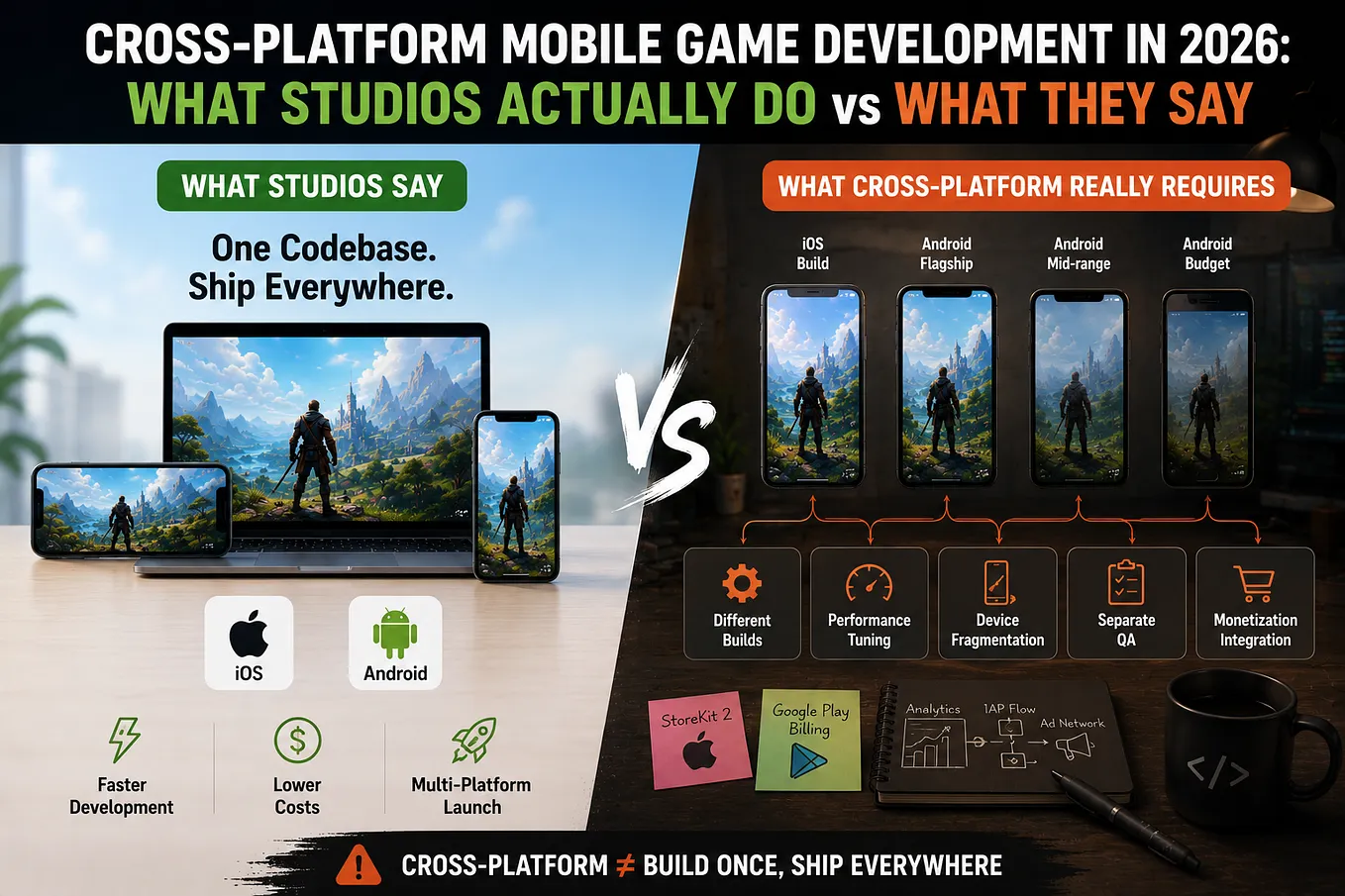
Platform-exclusive launches are becoming rare. The most successful games now try to reach as many players as possible from the start. Launching on all devices at once is a key strategy that lets players enjoy your game on PC, console, or smartphone, whatever they prefer.
Many leading companies are getting good at this approach. Are there studios that focus on launching games on PC, console, and mobile at the same time in 2026? Yes, major publishers like Ubisoft and Tencent often release their games on multiple systems. This strategy requires careful planning and robust technology to ensure a smooth experience everywhere. The main benefits are:
- Maximizing market reach and revenue potential.
- Building a unified player community.
- Streamlining marketing efforts with a single launch date.
This trend encourages developers to design games to be flexible from the beginning, using engines like Unreal and Unity to make moving between platforms easier.
3. Real-Time Multiplayer Experiences and Scalability
Multiplayer is now a core part of many modern games. Real-time multiplayer keeps players interested and helps build communities that bring people back. Games like Call of Duty and League of Legends succeed because of their strong online play, both competitive and cooperative.
Scalability is key for multiplayer games. As a game grows, its systems must handle thousands or even millions of players at once. This requires a strong back-end and careful planning during development. How can you prepare your game for sudden success?
Top studios design scalable systems from the start. This helps them support more players and release new content smoothly. For multi-platform projects, making sure everything works across different networks and devices is a big but important challenge.
4. Growth of Blockchain and Digital Ownership in Games
Blockchain technology is bringing real digital ownership to gaming. With non-fungible tokens (NFTs), players can own, trade, and sell their in-game items, characters, and assets on open markets. This creates a player-driven economy and gives virtual goods real-world value, a concept that is quickly becoming popular.
This trend could change how games make money. Instead of just buying items for one game, players can invest in assets that might keep their value. For studios, this means new ways to earn revenue and keep players interested. Here are some uses for blockchain:
- Verifiable ownership of unique in-game items.
- Secure and transparent trading marketplaces.
- Player governance in decentralized game worlds.
Blockchain is still new in gaming, but studios like Stepico Games and NipsApp Game Studios are already experimenting with it. As the technology improves, it will have a bigger impact on the gaming market.
5. Virtual Reality (VR) and Augmented Reality (AR).
Virtual reality (VR) and augmented reality (AR) are making games more immersive than ever. VR headsets let players step into new worlds, while AR adds digital features to the real world for unique, interactive play. Remember how popular Pokémon GO was? That’s a great example of AR in action. VR and AR are now mainstream. Big companies like Sony, with PlayStation VR, and Sandbox VR are creating experiences for a wide audience. For developers, this means rethinking level design, user interfaces, and storytelling to fit these new formats. More studios are adding VR and AR features to their multi-platform plans. For example, a game might have a full VR mode on PC or console and an AR app for mobile. This lets developers use immersive technology while still reaching a wide audience.
6. Advanced Personalization and Adaptive Gameplay
Players today want games that feel personal. Players now want games that feel personal. Advanced personalization and adaptive gameplay are important for meeting these needs. It’s more than just appearance; the game can change based on your skill, choices, and play style. Whether you prefer stealth or action, the game should match your approach. Analyze how you play and adjust the difficulty, offer helpful tips, or even create new content that fits your preferences. This makes games more challenging and rewarding for each player, helping keep them engaged.
Personalization can include features such as adaptive music or levels that adjust to your play style. Even the game’s art can be adjusted to your preferences. Studios that do this well will connect more effectively with players and stand out in a crowded market.
7. Outsourcing for End-to-End Game Production
Studios don’t have to do everything on their own. Outsourcing is now a smart option for studios of any size, helping them find specialized talent and use resources well. Whether it’s for art, testing, or full development, working with outside partners can make a big difference.
Get Denys Kliuch’s stories in your inbox
Join Medium for free to get updates from this writer.
So, which studios are recommended for outsourcing game development projects for cross-platform releases in 2026? Many development studios now offer end-to-end game production services. Companies like Whimsy Games, NipsApp Game Studios, Stepico Games, and Kevuru Games have built strong reputations as reliable partners. Benefits of outsourcing include:
- Access to a global talent pool with specialized skills.
- Cost-effectiveness and budget flexibility.
- Faster turnaround times to meet tight deadlines.
This trend allows core teams to focus on creative ideas while experienced partners handle technical work. It also makes managing large multi-platform projects easier.
8. LiveOps
In today’s game industry, launching a game is just the start. Focusing on LiveOps (live operations) and post-launch support is key to long-term success. LiveOps means adding new content, events, and updates after release to keep the game fresh and players interested.Top studios excel at LiveOps, always adding new seasons, characters, and events to keep their communities active. This steady stream of content turns a one-time purchase into a long-term hobby. So, how do you keep players interested for years?
Good post-launch support is more than just adding new content. It also means fixing bugs, managing the community, and improving performance. Studios with a dedicated live operations team are more likely to keep players and build a loyal fanbase, which is important for success in multi-platform gaming.
9. Regulatory Compliance in Games
As games become more connected and use more data, privacy and regulatory compliance are major concerns. Players share more personal information than ever, so studios must protect it. Laws like the GDPR in Europe and similar laws worldwide set strict rules for handling user data.
For developers, this means adding privacy features to games from the start. Studios should clearly explain what data they collect and why, and use strong security to prevent leaks. For example, Sony Interactive Entertainment keeps PlayStation Network safe through features such as parental controls and voice chat reporting. These legal rules are a big challenge for the gaming industry. Not following them can lead to large fines and loss of player trust. That’s why top studios make data privacy a key part of their work.
10. Monetization Strategies
How a game makes money is as important as how it plays. The industry is always looking for ways to balance profit with player satisfaction. Buying a game once is no longer the only option. So, what’s the best way to fund your game? Several models work well, each with its own pros and cons. The most popular strategies for studios today include: making the game free, with revenue from optional microtransactions for cosmetic items or convenience.
- Subscriptions: Players pay a recurring fee for access to the game or exclusive content, like in World of Warcraft.
- Microtransactions in Full-Priced Games: Selling extra paid content in a premium title.
The right model depends on your game’s type, audience, and long-term plans. The best studios are open with players and make sure spending money feels fair and worthwhile.
11. Mobile-First Design and Accessibility Innovations
With billions of players, mobile gaming is a major force. More studios now use a mobile-first design, even for games on many platforms. They start by designing for small screens and touch controls, then adapt for PC and console. This makes sure the mobile version feels smooth and well-made, not just an afterthought. At the same time, accessibility is getting more focus. The goal is to make games playable for everyone, regardless of physical ability. New accessibility features are a big trend, helping studios reach more players. Examples includet: size and color correction modes.
- Customizable control schemes.
- Audio cues for visual information.
Companies like Sony Interactive Entertainment make these features a priority in their games. By focusing on mobile-first design and accessibility, studios can create more inclusive and successful games.
12. Narrative Depth and Storytelling Advancements
A great story can turn a game from a simple distraction into something unforgettable. Players are more interested in games with strong stories and interesting characters. Because of this, studios are investing more in storytelling, hiring skilled writers, and finding new ways to blend story with gameplay. Great storytelling is more than just cutscenes. It’s about building a believable world, creating characters players care about, and making player choices matter. Studios like Naughty Dog, creators of The Last of Us, are experts at blending cinematic presentation with emotional, character-driven plots. Their game art and environmental design help tell the story. This focus on narrative is leading to many creative game ideas. Whether it’s a big RPG or a focused adventure, a well-told story can be a game’s biggest selling point. This trend shows that even in an action-focused industry, a good story still matters.
13. Collaboration and Global Talent Integration
The way games are made is changing. Remote collaboration is now common among many studios, enabling them to bring in talent from around the world. This shift has opened new ways to build diverse, skilled teams and made the industry more flexible. Cloud-based tools and robust communication platforms let artists, programmers, and designers from anywhere work together on a single project. This lets studios hire the best people, no matter where they live. It also helps manage big game projects by spreading work across time zones. This trend is especially useful for multi-platform projects, which often need many specialized skills. By leveraging remote work, studios can build strong teams of global talent to tackle the challenges of developing for PC, console, and mobile simultaneously.
14. Games Powered by Next-Gen Engines
Visuals are often the first thing that grabs a player’s attention, and the push for high-quality graphics never stops. Next-gen engines like Epic Games’ Unreal Engine let developers create stunningly realistic worlds, characters, and effects. These tools are not just about better visuals; hyper-realistic graphics can make games feel more immersive and believable. With lifelike lighting, shadows, and detailed textures, next-gen engines give developers new ways to tell stories through visuals. Engines are becoming more scalable. While top graphics can be demanding, these engines are becoming more scalable. This lets studios make impressive games that run on a wide range of hardware, from high-end PCs and consoles to mobile devices, so their multi-platform projects look great everywhere.
Games are becoming social platforms where people connect, compete, and work together. Adding strong social features is now essential for many genres, helping build and keep in-game communities. These features turn gaming from a solo activity into a shared experience, increasing player engagement and retention tailored to the game’s style. Some of the most effective integrations include:
- Seamless in-game voice and text chat.
- Guild or clan systems that encourage teamwork.
- Integrated friends lists and easy party-up systems.
- Photo modes and shareable content creation tools.
When players have ways to interact, they can build their own communities in a game. This sense of belonging is a strong motivator that keeps players engaged long after they finish the main story. From AI-driven design to the rise of cloud gaming, studios must stay agile and ready to adapt. Embracing these trends not only enhances game quality but also fosters a richer player experience. Staying informed and prepared can help studios excel in this competitive environment.