Top Reputation Management Tools in 2026: Protect Your Brand’s Online Image

Your brand’s reputation lives online now, whether you like it or not. Every review, every social media comment, every forum discussion shapes how customers perceive you. And here’s the uncomfortable truth: most businesses have no idea what’s being said about them until it’s too late.
I learned this lesson the hard way when a client’s negative review went viral on Reddit. By the time we found out, it had been shared thousands of times. That single incident cost them real money and damaged relationships they’d spent years building. The worst part? It could have been prevented if we’d been monitoring properly.
That experience changed how I think about reputation management. It’s not about controlling the narrative or hiding negative feedback. It’s about knowing what people are saying so you can respond appropriately, fix real problems, and protect what you’ve built.
Over the past few years, I’ve tested practically every reputation management platform on the market. Some promised the world and delivered headaches. Others were so basic they might as well have been Google Alerts. But a handful genuinely impressed me with what they could do.
Let me share the five tools that actually work, starting with the one I trust most.
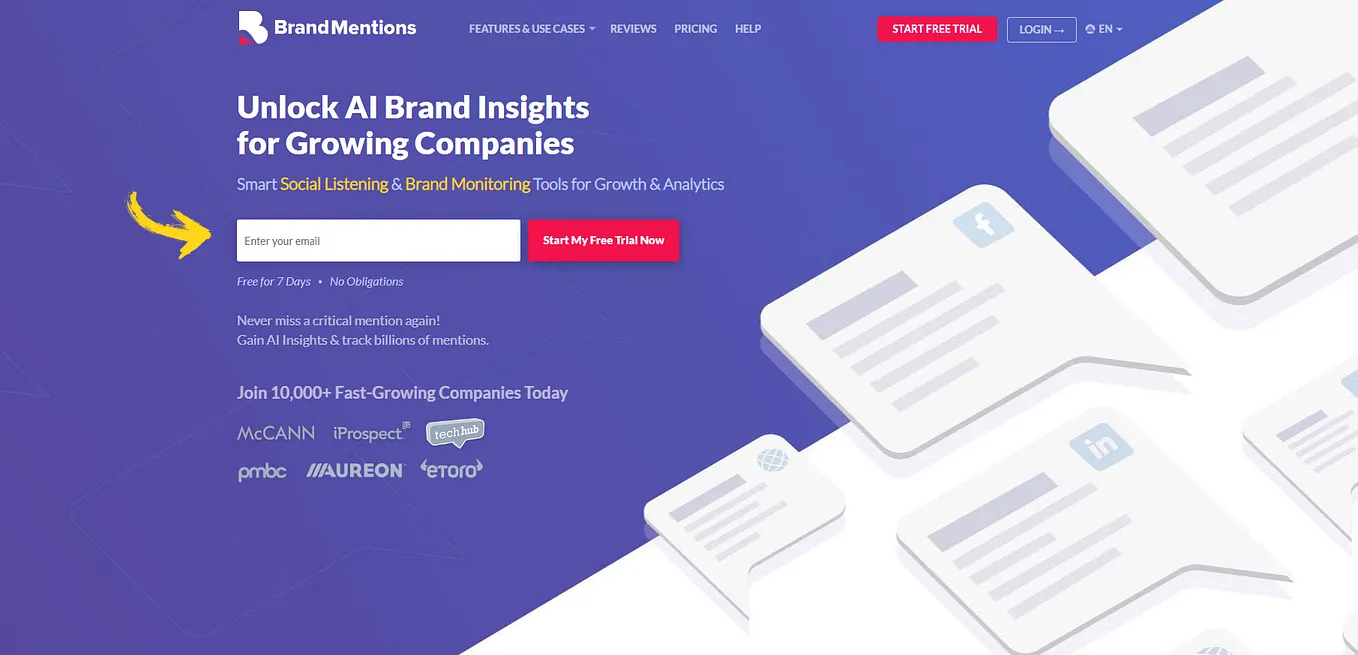
1. BrandMentions: Complete Protection Without the Complexity
When someone asks me for a reputation management tool recommendation, BrandMentions is almost always my answer. Not because it’s perfect, but because it delivers exactly what most businesses actually need without making them hire a data scientist to figure it out.

What This Platform Actually Does
Think of BrandMentions as having thousands of eyes and ears across the internet, constantly watching for your brand name. It monitors over 25 million sources including social media, news sites, blogs, forums, review platforms, and podcasts. The platform processes more than 9 billion mentions, which sounds like marketing hype until you realize how many places people actually talk about brands online.
The moment someone mentions your company, you get an alert. Not in a daily digest. Not in a batch update. Instantly. This matters more than you might think. When a customer complains on Twitter, responding within an hour versus responding the next day is the difference between resolving the issue quietly and watching it escalate into a PR problem.
Intelligence That Makes Sense
The sentiment analysis here actually works. I’ve tested platforms that flagged “This product killed my back pain” as negative because it saw the word “killed.” BrandMentions understands context. It picks up on sarcasm, reads between the lines, and gives you an accurate picture of how people actually feel.
You can track sentiment over time and see exactly when public perception shifts. Did that product launch go well? Is that campaign resonating? Are customers angrier this month than last? You’ll know immediately, not when quarterly reports come out.
Competitor monitoring is where things get interesting. You’re not just watching your own reputation. You can spy on competitors, see what people love or hate about them, and spot gaps in the market before anyone else. When their customers complain about something they’re not fixing, you know exactly what feature to build next.
The dashboard doesn’t overwhelm you with data. Everything is organized intuitively. You can find what you need without clicking through menus or watching tutorial videos. Reports export cleanly for presentations or client meetings. It just works the way you’d expect it to.
Why I Keep Recommending This
Setup takes maybe ten minutes. You’re not spending weeks configuring queries or training the system. You enter your brand name, competitors, and relevant keywords. That’s it. You’re monitoring within the hour.
The coverage is genuinely comprehensive. I’ve compared results against platforms costing much more, and BrandMentions finds conversations they miss.
Customer support responds quickly with actual help. I’ve contacted them with questions about specific features, and real humans who understand the platform get back to me, not chatbots reading from scripts.
The platform identifies influencers automatically, showing you who has real reach in your space. When you want to amplify good news or partner with someone, you already know who matters.
Where It Could Be Better
If you’re running a massive global enterprise that needs decades of historical data for research purposes, you might occasionally want deeper archives. For everyone else, the history provided covers trend analysis perfectly well.
Major languages are covered thoroughly. English, Spanish, French, German, and most widely-spoken languages work great. If your entire business operates in a very niche regional language, verify coverage first. But we’re talking about a tiny edge case here.
The mobile app works fine but could be more robust. The web platform is excellent, so this only matters if you’re constantly traveling and need full functionality on your phone.
Who Should Use This
Growing businesses that need comprehensive monitoring without enterprise pricing. Marketing agencies managing multiple clients. PR teams dealing with reputation issues. Startups that can’t afford to miss important conversations. Basically, anyone who wants powerful reputation management that doesn’t require a technical team to operate.
2. Birdeye: Built for Businesses with Multiple Locations
Managing reputation for one location is challenging. Managing it for fifty locations is a nightmare without the right tools. Birdeye specifically solves that multi-location problem.

How Birdeye Approaches Reputation
This platform combines review management, messaging, surveys, and social media into one system. The AI suggests responses to reviews based on content and context, which saves enormous time when you’re handling feedback from dozens of locations.
It monitors over 200 review sites, from obvious ones like Google and Yelp to industry-specific platforms most businesses forget exist. Everything flows into one dashboard showing reputation health across all locations simultaneously.
Automated review requests go out based on triggers you define. Someone completes a transaction, books an appointment, or hits a specific touchpoint, and the system asks for feedback automatically. The local SEO tools manage your listings across directories, keeping information consistent everywhere.
What Works Well
Multi-location oversight is exceptional. You can see which locations are thriving and which need help. The AI automation handles repetitive tasks that would otherwise consume hours daily. Analytics break down trends by location, making it obvious where problems exist.
Natural language processing understands nuance in customer feedback. Integration with CRM and POS systems connects reputation data with business operations. Agencies get white-label options for managing client reputations under their own branding.
The Challenges
The platform has a steep learning curve with so many features. Customer support can be slow during busy periods, which is frustrating when dealing with urgent reputation issues.
Advanced features require higher-tier plans, so basic packages might not include everything you need. The interface feels cluttered sometimes when searching for specific functions. Onboarding could be smoother. Some features require custom quotes, making budgeting difficult.
Best Fit
Multi-location businesses, franchises, healthcare organizations with multiple practices, hospitality brands, and enterprises needing centralized control with location-level management.
3. Podium: When Text Messaging Matters Most
Podium built its entire platform around a simple insight: people respond to text messages faster than emails or web forms. If getting reviews quickly is your primary goal, this approach works incredibly well.

Podium’s Core Strategy
Customers receive a text asking for feedback. They tap a link and leave a review from their phone in seconds. No complicated processes. No email links that get ignored. Just simple, frictionless review collection that achieves remarkably high response rates.
Webchat on your website seamlessly transitions to text messaging. Conversations start on your site and continue via text, so you’re not chained to your computer. Built-in payment processing lets you send payment requests via text. Customers pay from their phones. Review monitoring consolidates feedback from multiple platforms into one manageable inbox.
Why People Choose It
Review collection rates are genuinely impressive. The simplicity of text-based requests eliminates friction. Webchat functionality creates smooth customer experiences. Payment integration streamlines transactions for service businesses. The interface is straightforward enough that teams learn it quickly. Mobile functionality suits businesses operating primarily from phones.
The Limitations
Get Insight Tech’s stories in your inbox
Join Medium for free to get updates from this writer.
Customer support quality varies, with some users reporting slow responses and unresolved issues. You need sales calls for detailed information, which slows evaluation.
Feature set is limited compared to comprehensive platforms. You’re getting messaging and basic review tools, not deep analytics or monitoring. Multi-location support is capped on basic plans. Some users report integration problems with CRM and POS systems.
Ideal Users
Local service businesses, healthcare practices, home service providers, and companies prioritizing text communication and review collection over comprehensive monitoring and analysis.
4. Yext: Controlling Your Business Information Everywhere
Yext tackles reputation from a different angle: making sure your business information is accurate everywhere customers might find it. Inconsistent information damages trust and confuses customers.

Yext’s Approach
The platform pushes your business information to over 100 directories, maps, social networks, and search engines from one dashboard. Update your hours once, and changes propagate everywhere automatically. Duplicate suppression prevents multiple conflicting listings.
Reputation monitoring tracks reviews across major platforms with response and analysis tools built in. AI-powered site search helps customers find information on your website. Analytics show how customers discover and interact with your business, including search impressions, calls, visits, and clicks.
What It Does Well
Listings management is best-in-class. Information stays consistent across the web automatically. Local SEO benefits are real, improving visibility in search results. Analytics provide actionable customer behavior insights. The platform scales effectively for many locations.
Where It Falls Short
Reputation management feels like an afterthought. If reviews are your priority, other tools handle them better.
Customer support feels impersonal. Some users report difficulty getting personalized help. Contract terms can be restrictive, with former customers mentioning threats of legal action. Advanced features require higher tiers or custom enterprise packages.
Right For
Multi-location businesses and franchises where accurate listings across directories matter most. Works well combined with dedicated review management tools that offer stronger reputation monitoring.
5. ReviewTrackers: Enterprise-Scale Review Analysis
ReviewTrackers focuses specifically on aggregating and analyzing customer reviews at scale. It’s built for organizations monitoring feedback across hundreds or thousands of locations.

How ReviewTrackers Works
Reviews from Google, Facebook, Yelp, TripAdvisor, and industry platforms feed into one dashboard. Filtering by location, sentiment, keywords, and timeframes identifies trends quickly. Automated review solicitation via email or SMS generates feedback based on your triggers.
Sentiment analysis categorizes reviews and identifies trending topics across feedback. Competitor tracking shows how your reputation compares to rivals, providing benchmarking data.
Strengths of the Platform
Onboarding is fast with minimal training required. Unlimited users per location work for distributed teams. Multi-location workflows stay consistent across sites. Customer support provides proactive follow-ups with accessible account managers. The dashboard is clean and intuitive.
The Downsides
Automation is limited, requiring manual intervention for assignments, reminders, and follow-ups. Customization for review invitations is restricted. Email templates are inflexible. Detailed information isn’t publicly available, requiring custom quotes. The platform lacks social media management and customer messaging features. Some users report missed reviews on smaller platforms.
Best Suited For
Enterprise organizations, multi-location retail, hospitality companies, and healthcare systems needing robust review monitoring and analysis at scale with clean interfaces and strong support.
Finding Your Right Tool
Choosing reputation management software isn’t about finding the objectively best platform. It’s about matching your specific needs, budget, and capabilities with the right tool.
Start With Your Biggest Pain Point
Are you blind to what people say about you online? Missing negative reviews until they snowball? Struggling with inconsistent business information? Difficulty collecting reviews? Different problems need different solutions.
Consider Your Reality
How technical is your team? Some tools require specialists. Others work for anyone who can use email.
How many locations are you managing? Multi-location businesses have different needs than single-location companies.
What features matter most to you? Comprehensive monitoring? Simple review collection? Listings management? Match your priority to the tool’s strength.
My Honest Recommendation
For most businesses reading this, BrandMentions offers the best balance. It monitors comprehensively, alerts instantly, provides competitive intelligence, and delivers strong value. You get enterprise capabilities without enterprise complexity.
If you’re managing many locations with centralized oversight needs, Birdeye might justify its higher cost despite the investment.
Local service businesses prioritizing text communication and simple review collection might find Podium worth considering despite limitations.
Businesses where accurate listings matter most might use Yext, ideally combined with stronger review tools.
Large enterprises with hundreds of locations needing robust review analytics might require ReviewTrackers despite its gaps.
Test Before Committing
Use free trials. Request demos. Test with your actual brand data, not demo content. See if the interface makes sense to your team. Check if insights help you make better decisions.
Watch for how much time you spend learning versus getting value. Steep learning curves mean weeks pass before seeing benefits.
Think about growth. Will this scale as you expand? Switching platforms later means losing historical data and momentum.
What Actually Matters
Reputation management isn’t collecting data. It’s turning conversations into intelligence that improves your business. The right tool helps you hear what customers think, spot opportunities competitors miss, and prevent small issues from becoming crises.
Your reputation gets built slowly through consistent positive experiences. It gets protected vigilantly through quick responses to problems. The right tool makes both easier.
Conversations about your brand happen constantly, whether you listen or not. The question isn’t whether people are talking. It’s whether you’ll hear them in time to do something meaningful about it.
Choose the tool that helps you protect what you’ve built. Your reputation might be the most valuable asset you have.