When I Got Stuck in “Tech” and Accidentally Found No-Code
For a long time, I felt stuck in tech.
I was learning new programming languages, frameworks, and tools, but somehow I wasn’t building real products. Everything felt complex long setup, heavy codebases, and too much time spent just preparing instead of actually creating.
That’s when I slowly started looking into no-code and automation.
At first, I didn’t take it seriously. I thought no-code tools were only for simple workflows or basic automation. But when I started experimenting with platforms like n8n and Byteflow, my mindset changed.
I realized something important:
Most tech products are not about code they are about logic, workflows, integrations, and decision-making.
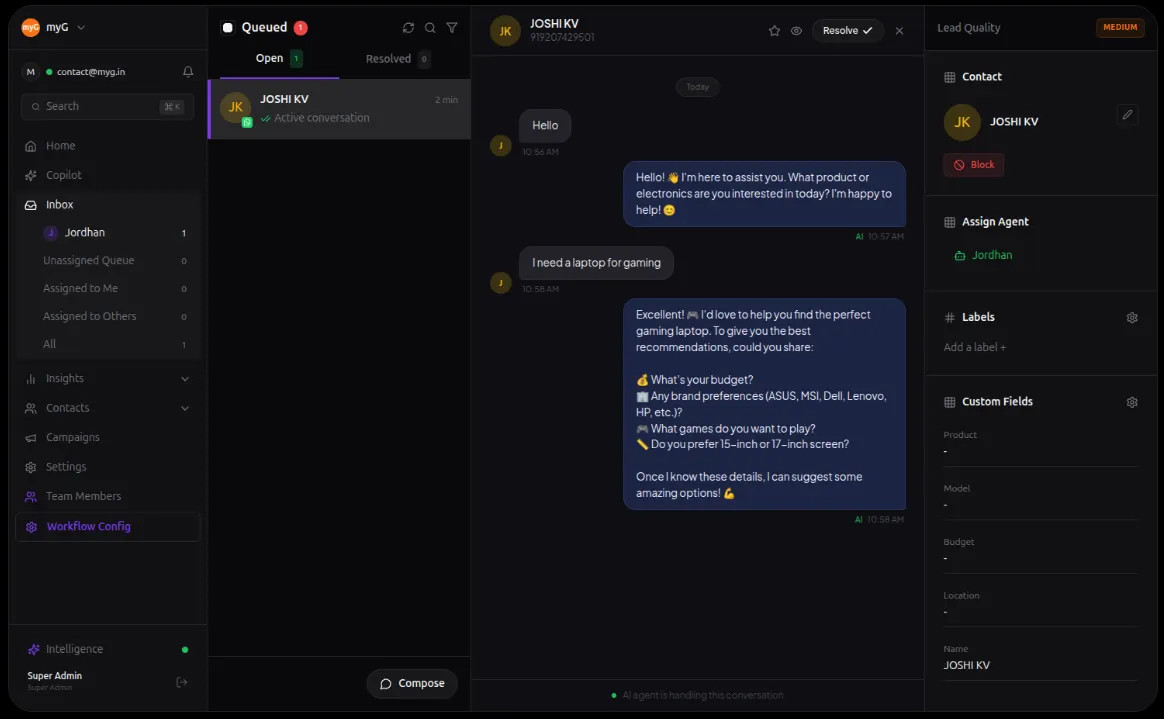
Using no-code, I began building complex automation workflows, AI-powered systems, backend-style logic, API integrations, and multi-step processes. These weren’t toy projects. They solved real problems and actually worked in production-like scenarios.
Get Ipfahad’s stories in your inbox
Join Medium for free to get updates from this writer.
What surprised me was the reaction from other techies.
When I showed them my projects, many assumed they were built with full-stack code. The logic was deep, the workflows were structured, and the systems handled real data. That’s when I understood no-code doesn’t mean low-skill. It means low friction.
No-code tools helped me:
- Build faster
- Prototype real products
- Focus on problem-solving instead of setup
- Learn by shipping instead of endless tutorials
I’m not against coding. Traditional development is powerful and always will be. But no-code gave me momentum when I needed it most. It helped me move from being stuck in tech to actually building again.
Sometimes growth in tech isn’t about adding more complexity.
It’s about choosing tools that let you think clearly and execute faster