THE SHIFTING FROM KNOWING TO DOING IN CYBERSECURITY
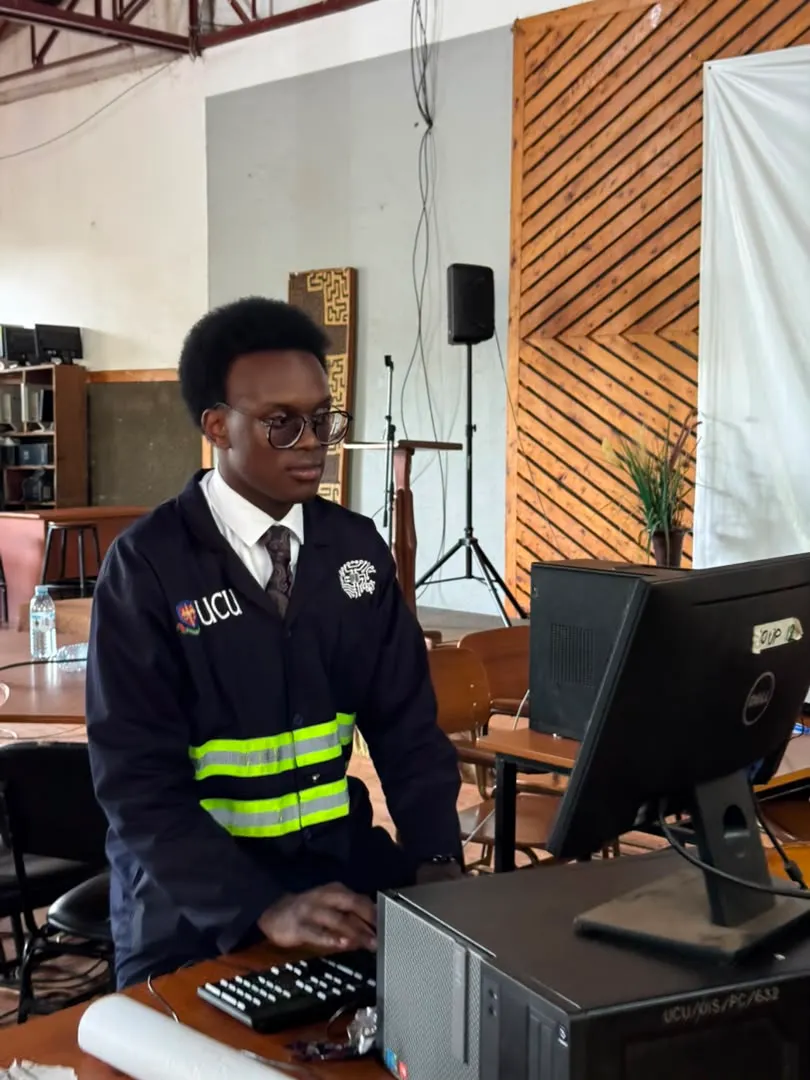
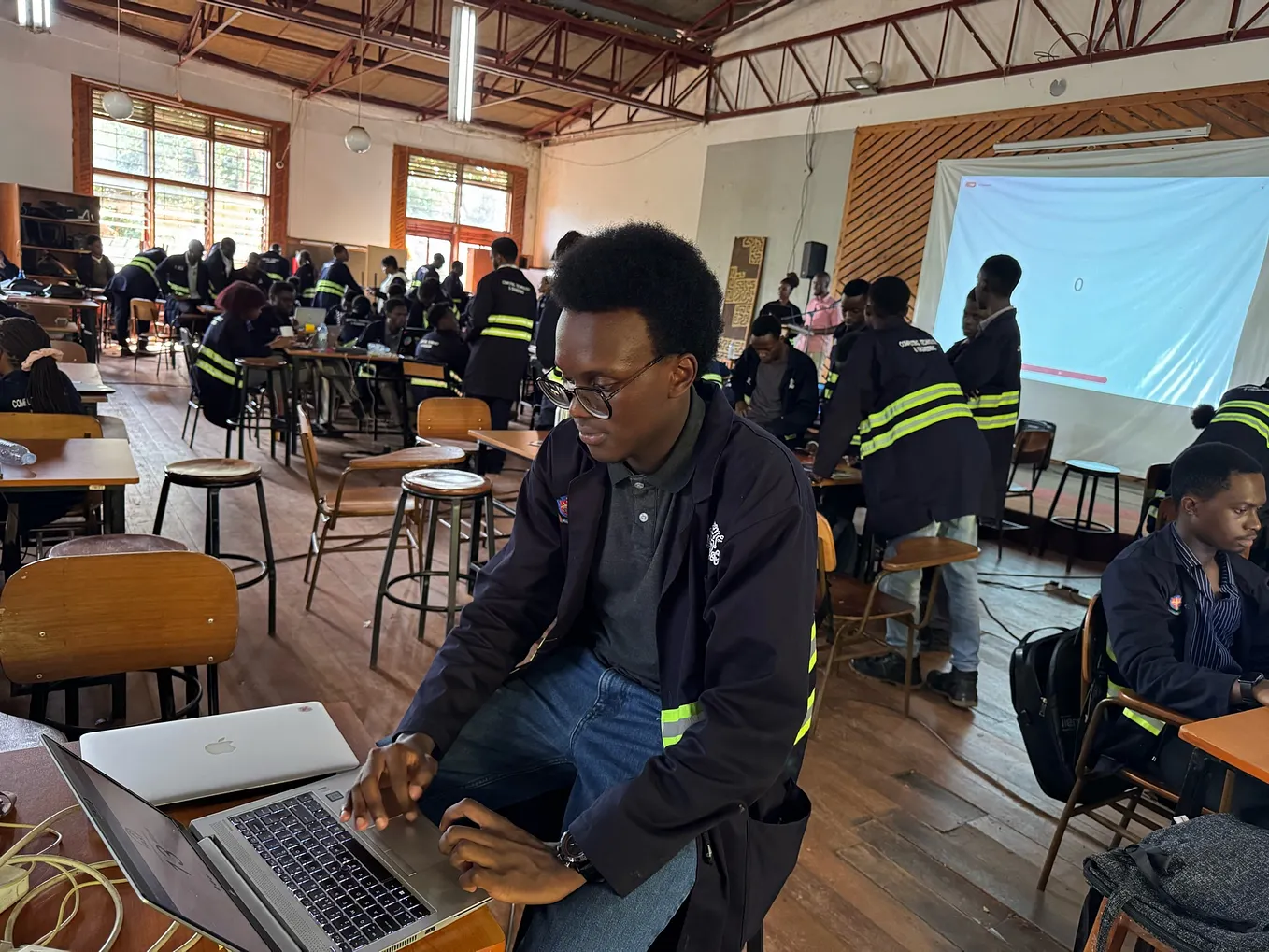
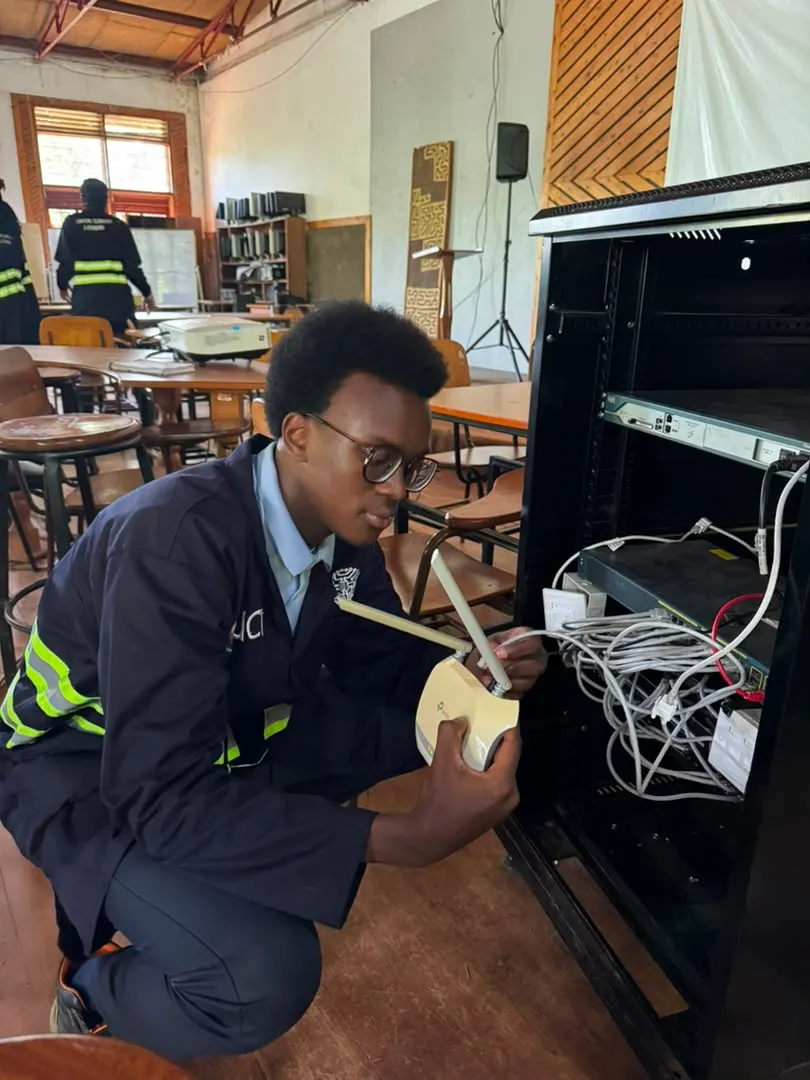
There’s a clear difference between learning about cybersecurity in theory and actually practicing it. Before this experience, many concepts like network scanning, hacking, or encryption felt abstract; just ideas explained in class. But once I started performing the activities myself, running tools, observing results, and fixing errors, everything became more practical and meaningful.
From my perspective, anyone studying cybersecurity or IT should be exposed to hands-on practice. It is not enough to understand definitions or read about attacks. Real understanding comes when you see how systems behave, how vulnerabilities appear, and how easily they can be exploited if not properly secured.
One thing I realized early is that cybersecurity is not just about tools like Nmap or Metasploit. It is about understanding systems and how different parts connect. For example, during network scanning, I was not just identifying open ports; I was learning how services run, communicate, and expose weaknesses. Each open port represented a possible entry point, which made me understand why system configuration is so important.
In my opinion, the exploitation phase using Metasploit made the biggest impact. Creating a payload and successfully gaining access to a system showed how powerful and dangerous these techniques can be. It changed my thinking completely. I stopped seeing hacking as something complex and distant, and started seeing it as something very real that can happen if systems are not protected.
Another important lesson came from phishing simulation. At first, I thought attacks mostly depend on technical weaknesses. But this activity showed me that human behavior is often the weakest link. A simple cloned website can trick users into giving away sensitive information. This made me realize that cybersecurity is not only about securing systems, but also about educating people.
Get Jeremymugabi’s stories in your inbox
Join Medium for free to get updates from this writer.
Working with tools like Maltego also opened my eyes to how much information is available online. I learned that organizations expose more data than they realize. By simply connecting pieces of public information, it is possible to build a detailed picture of a target. This made me understand the importance of managing digital footprints.
The mobile hacking simulation was another eye-opening experience. Many people assume mobile devices are safe, but I learned that installing unknown applications can easily compromise a device. It made me more cautious and aware of how attackers can target smartphones just like computers.
Network analysis using Wireshark helped me understand the importance of secure communication. Seeing login credentials appear in plain text over HTTP was shocking. But when HTTPS was applied, everything became encrypted and unreadable. This clearly showed how critical encryption is in protecting sensitive data.
Of course, not everything was easy. There were moments when tools did not work, connections failed, or configurations were wrong. These challenges were frustrating, but they were also the most valuable part of the experience. They forced me to slow down, think critically, and solve problems step by step.
If there’s one key lesson from all these activities, it’s this: cybersecurity is not just about knowing; it’s about doing. It requires patience, curiosity, and the ability to think like both an attacker and a defender.
In conclusion, I strongly believe that practical experience is essential in cybersecurity education. These activities helped me move beyond theory and develop real skills. More importantly, they changed how I see systems, not just as tools I use, but as environments I can analyze, protect, and improve.