Side Projects: My Graveyard and My Garden


The podcast app: 2016, my nights and weekends for most of a year, a genuinely decent piece of work that precisely zero human beings ever used, because I never shipped it. He asked with the gentle cruelty of old friends, and the answer I gave has become my whole philosophy of side projects:
“It joined the faculty.”

Because I’ve stopped pretending my side-project history is a portfolio.
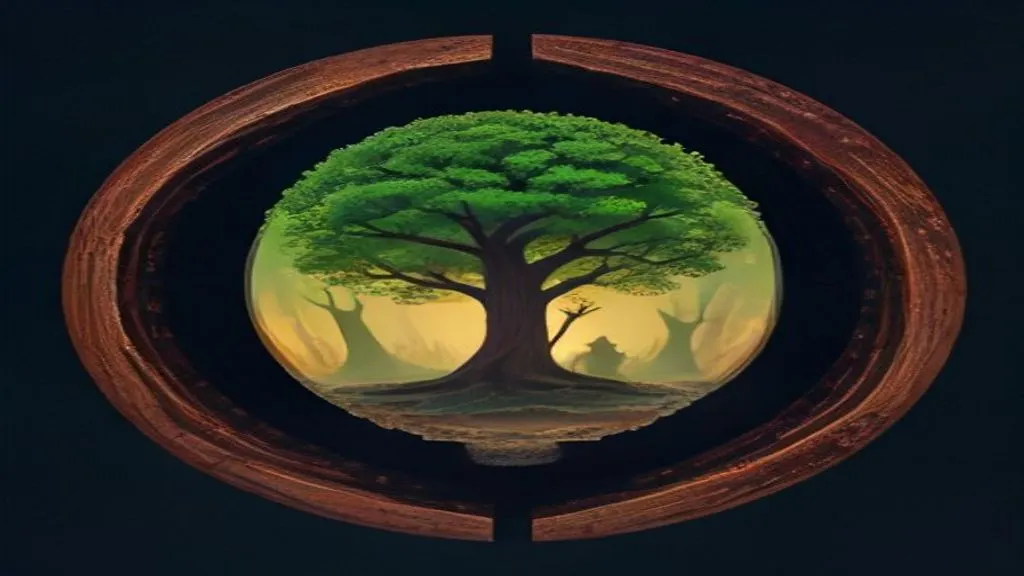
It’s two plots of land — a graveyard and a garden — and the accounting between them took me fifteen years to get right, and most engineers I know are still getting it wrong in one of two directions: ashamed of the graveyard, or neglecting the garden.
The graveyard census
Walk the rows with me; the headstones are instructive.
The podcast app (2016–2016). Died of shipping fear. It was finished — genuinely, embarrassingly finished — and I polished it for four extra months rather than face an app store, because polish feels like progress and shipping feels like judgment.
I’ve written about a startup that
I’ve written about a startup that died of related causes; the podcast app was the home-lab strain of the same disease.
The home dashboard (2018–2019). Raspberry Pi era. Died of success — the moment it worked, mounted and glowing in the hallway, I lost all interest.
This is the hobbyist’s curse and it deserves naming: for a certain kind of builder, the wanting is the having.
The dashboard ran for another year, unloved, like a trophy for a sport I’d stopped playing.
The habit tracker (2020–2021). Died of the rewrite. Version one worked; I rewrote it in that year’s framework — I have written, expensively, about that treadmill — and the rewrite died at 60%, as rewrites do, taking version one’s momentum down with it.
The headstone should read: he had a working thing, and traded it for a modern nothing.
And a whole row of small stones — utilities, half-APIs, one brave weekend of a game — dead of scope, dead of Monday, dead of the gap between the vision Friday night and the energy Sunday afternoon.
For years this plot embarrassed me
For years this plot embarrassed me. The graveyard felt like a record of unseriousness — all that starting, all that not-finishing. Then, somewhere around year ten, I did the actual accounting, and the accounting flipped everything.
The faculty
Where did I learn queues? The podcast app — its sync engine taught me more about message ordering than any job had, safely, on nobody’s money. Deploys and reverse proxies? The dashboard — my Pi taught me operations a decade of AWS abstractions had hidden from me.
Auth’s true horrors?
The habit tracker, which stored passwords wrong twice before storing them right, in private, where wrong was free.
Get Jiteshkumawatjpr’s stories in your inbox
Join Medium for free to get updates from this writer.
Every stone in the graveyard is tuition — paid in evenings, at zero blast radius, for skills my employers have been quietly harvesting ever since. The dead projects weren’t failures of the projects; the project was never really the deliverable.
The deliverable was me, slightly upgraded, and on that measure the graveyard has a perfect record: nothing buried there ever failed to teach. That’s why it joined the faculty. Every dead project teaches; the only true waste in the whole plot is the shame, which teaches nothing and charges rent.
So: bury guiltlessly. But that’s only half the accounting, because —
The garden
— some projects don’t die, and the ones that live share exactly one property, and it isn’t quality.
The famous one, which I’ve written
The famous one, which I’ve written about at length: the football scheduler, four months old at that telling, thriving still — eleven lads and a fixture list. There’s a tiny tool my wife uses weekly, forty lines, unglamorous, irreplaceable in this household.
A script for my sister’s café that prices recipe changes; it has survived two of her menu revolutions and one of my rewrite attempts — she vetoed the rewrite, correctly, in the family tradition of vetoing my improvements to working things.
Notice what the garden’s survivors have in common: eaters. Every living project serves a specific, named, complaining human.

That’s the entire horticulture.
Projects with zero users die of philosophical questions — what should this become? is this architecture right? — questions with no wrong answers and therefore no end.
Projects with eleven users die of nothing, because eleven users generate Tuesday-sized demands — “the reminder’s an hour off,” “can it do away games” — and Tuesday-sized demands are what keep a thing alive: small, concrete, answerable, arriving on their own schedule like watering.
The scheduler doesn’t survive because I love it. It survives because Dev complains about it, and complaint, in a garden, is rain. I’ve written that products die without three angry people; the home-scale version is even simpler — one eater beats any amount of vision.
The compost
So here’s the whole system, as
So here’s the whole system, as practiced now, offered as inventory rather than advice:
I plant freely — new project whenever the itch arrives, zero ceremony, no five-year plan required, because most seeds are supposed to die and the dying is curriculum.
I bury guiltlessly — a project that’s taught its lesson gets a clean grave, not a guilt-driven half-life of “I should really get back to that” (the should-really state is the worst plot in the cemetery; nothing rots slower).
And everything composts: the graveyard feeds the garden — the podcast app’s sync engine lives on, recognizably, inside the scheduler; the dashboard’s deploy scars made the café tool’s hosting trivial. Fifteen years of dead code, all of it still working, just not where it was planted.
Two plots. One gardener. No shame anywhere on the property.
The podcast app sends its regards, by the way — from inside three living systems and one essay.
Faculty tenure. It earned it.
I write about what building software actually feels like, weekends included. Walk your own graveyard tonight and read the headstones as a syllabus. Then find one eater for one living thing. Comments open for censuses.