Autumn Tune — Piper’s Dream

A Sudden Cloud
Earlier this week, I had a routine checkup at a local clinic. Last month’s blood work showed that my Hemoglobin A1C was down to a promising 6.8 — though my weight, stubbornly, hasn’t budged.
But then came the X-ray results.
“There’s a suspicious shadow on your lung,” the doctor said.
With his referral in hand, I headed to the recommended general hospital yesterday for a detailed CT scan. Since it was explained to me as purely a precautionary measure, I felt no real cause for concern.
The morning reception at the hospital was just as packed as it had been on my last visit a couple of years ago. I stood there trying to recall the check-in procedure, perhaps looking a bit lost. A woman from the information desk approached and kindly guided me through. She was likely a veteran nurse; though it was hard to tell behind her mask, I found her eyes gentle and her spoken words refined and polite.
At my age, those “gentle eyes” might simply be relaxed, sagging skin. Even so, I found myself hoping that my own eyes might still offer a touch of warmth to others.

The Joy of Detouring
On my way back, I decided to stop by an old café near the north exit of Isehara Station. It’s a tiny, retro café named “Shōkōshi” — a name seemingly inspired by Frances Hodgson Burnett’s Little Lord Fauntleroy — where I had popped in for a cup of coffee two years ago.
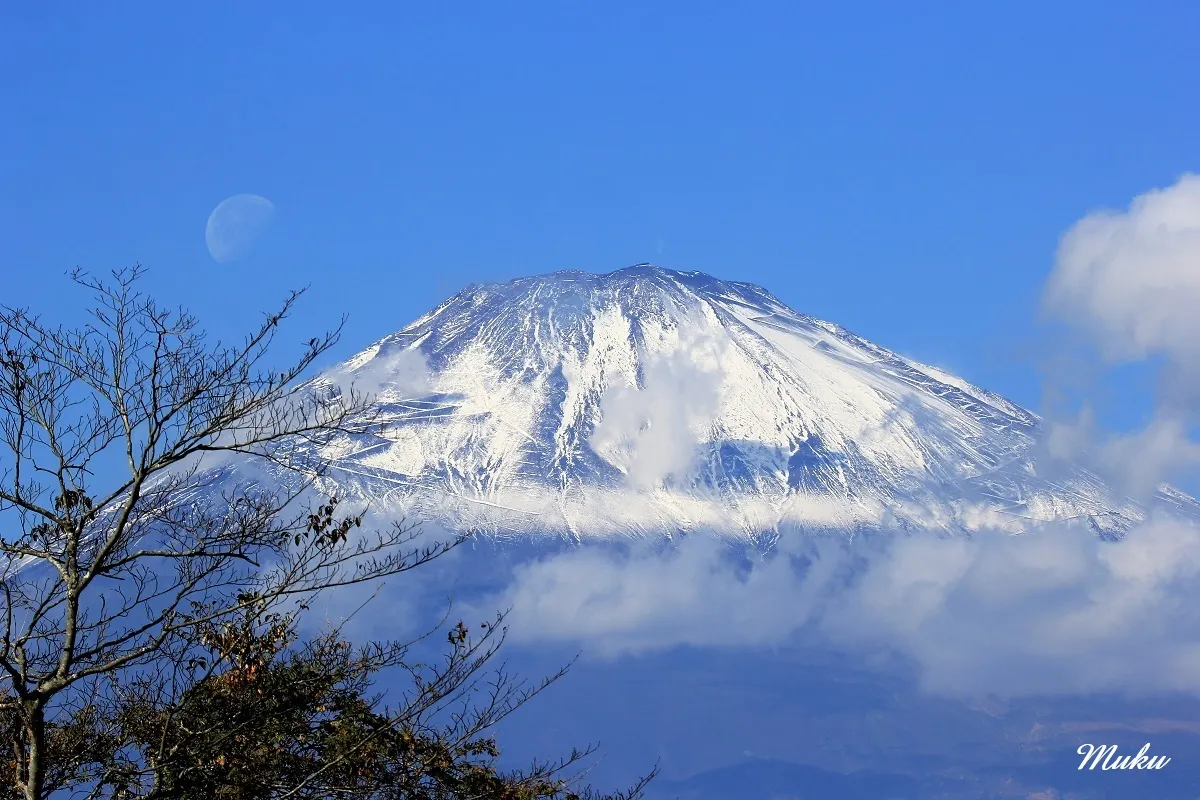
As I was about to cross the street in front of the station to head toward the café, I noticed a woman in her mid-thirties taking a photo with her smartphone. She was capturing the great torii gate that features the golden tablet of Ōyama Afuri Shrine. I knew little of when or why this bronze torii had been erected; I knew only that it served as the gateway to the sacred mountain in the distance. Drawn by her gaze, I found myself pulling my own smartphone out of my shoulder bag.
Beyond the torii, the silhouettes of what looked like shops lined a narrow alley. Before heading to the café, I walked under the grand torii gate and took a leisurely stroll down the lane. On the left corner, right by the torii, stood an old tobacconist. Past it was a small florist, then a greengrocer. A bit further down on the right was a clothing store, followed by a fishmonger that also doubled as a catering business. The alley ended there, opening up to a wide street.

Against All Odds: True Tobacconist Survives
I turned back down the narrow alley, which was heavy with the nostalgic air of the Shōwa era. A sign with the family name Ōkawara caught my eye, boldly displaying the word “Tobacco” — a rare sight these days.It intrigued me that a tobacconist was still surviving here in a quiet corner of a provincial town, rather than in the heart of Tokyo like Ginza. Carrying a quiet respect as a fellow smoker — even if most people today would surely frown upon it — I decided to peek inside.
And then, what a surprise awaited inside! The shop, with no other guests inside, was tightly packed with every imaginable tobacco product on display: cigarettes, cigars, pipe tobacco, and loose shag for hand-rolling. It was a selection you would never find unless you visited a highly specialized tobacconist. The bright red pouch of a shag featuring Che Guevara, the hero of Cuba, was particularly striking. He is said to have smoked cigars during the guerrilla warfare of the Cuban Revolution, despite his asthma, to keep the insects away. Using his image was likely a nod to his status as the ultimate symbol of tobacco from Cuba — a country world-renowned for its premium, entirely hand-crafted Habanos cigars.
My eyes then caught the gray pouch of a pipe tobacco brand: Borkum Riff. “Is this the only blend of Borkum Riff you have?” I asked the woman running the shop.
She looked to be over fifty, though I didn’t care to guess further.
“That’s the Original,” she replied.
“It used to be called Ultra Light.”
She knew her craft, and that very blend was once my favorite. I didn’t need any further reason to decide to buy a pouch.

Entwined Autumn Haze
It has been a long time since I last smoked a pipe. One reason is that my living situation changed; I moved from a detached family house to an apartment to live only with Ganko-chan, My Stubborn Half. Smoking a single bowl of pipe tobacco takes many times longer than smoking a cigarette. Standing still under the kitchen exhaust fan for that long is not only tiresome but, just imagining it, utterly ridiculous.
Get Muku Watanabe’s stories in your inbox
Join Medium for free to get updates from this writer.
The other reason is my health. No matter how careful you are, it is impossible to avoid inhaling a trace amount of fine dust — namely, ash. I already had to laugh at my own incorrigible nature, buying pipe tobacco on my way back from getting a CT scan just because a doctor told me there was a “suspicious shadow” on my lung.
In any case, once I get home, I will have to rummage through the storage to dig out my pipe smoking kit. I had three pipes, a tamper to even out the tobacco in the bowl and adjust the ember, disposable pipe cleaners shaped like thin wire brushes, a pipe lighter with a sideways flame, and a leather pipe case I bought at Davidoff of London.
Along with the shopping, I had the privilege of selecting cigars under the escort of a staff member inside the glass-walled cigar counseling room, the “Glass Walk-in Humidor.” I recalled how, while warnings reading “SMOKING CAN DAMAGE YOUR HEALTH” (which has now become “SMOKING KILLS”) were posted everywhere in the shop, only the sign at the register and the receipt boldly stated, “Thank You for Smoking.” And at that very register, the owner of Davidoff asked me — someone who was certainly no celebrity like Arnold Schwarzenegger or Sylvester Stallone — to sign the guestbook.
But let me return to the tobacconist in Isehara. My eyes caught a tin of The Peace, along with the classic round tin of Canned Peace. In my pocket was a commemorative pack of Peace Lights, with “80th Anniversary” printed in gold letters. Despite this, I splurged on a thousand-yen tin of The Peace, which contains twenty cigarettes, deciding to save it for special occasions.
Except for the decade or so I lived abroad, Peace has been my tobacco of choice since my youth. Though I smoke the filtered Peace Lights now, back then it was Canned Peace. In those days, I would catch the scent of a violon in the autumn air, sipping instant coffee in my tatami-matted small apartment room, immersing myself in Verlaine’s poem, “Chanson d’automne” (Autumn Song).
Baudelaire, Mallarmé, Verlaine, Rimbaud, Valéry, Apollinaire — the French poets I loved to read back then were all renowned smokers.
— Ah, I must stop myself. I am about to get lost in reminiscence again.

1946 Cigarette Iconic of World Peace
Leaving the tobacconist, I opened the old, heavy wooden door of Shōkōshi next door. On the right side of the long, narrow interior, I saw a familiar counter displaying a menu that included Vienna coffee (Wiener Melange). At the far end of the counter, a woman who looked to be well over eighty stood half-hidden in the shadows.
“Coffee, please,” I asked.
With that, a door built into the wall near the front of the counter opened, and the woman from the tobacconist next door appeared.
“House blend or American?”
It turned out the tobacconist and the retro café were run by the same person.
“House blend, please.”
As someone who appreciates coffee in Japan — a nation among the foremost in the world when it comes to savoring the depth of flavor and aroma of coffee— I almost never order an Americano.
“If you are going to smoke, please take a seat near the entrance.” Apparently, the seating was designated for smokers and non-smokers.
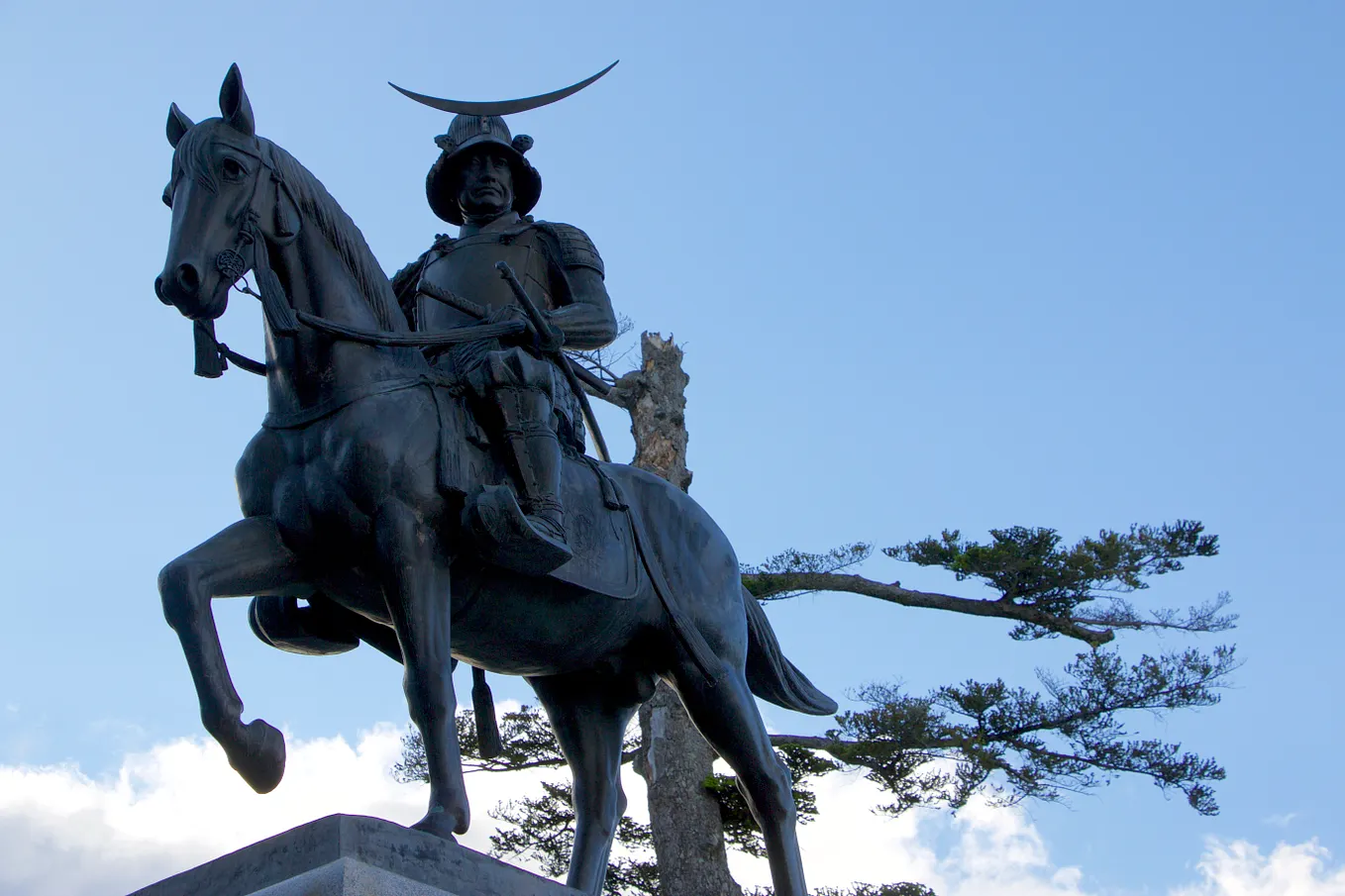
I took a seat near the entrance. Mounted on the opposite wall across the aisle, raised on a small platform, was an old suit of Japanese samurai armor displayed as if held in high regard inside a glass case. The nearly life-sized warrior, tinged with rust rather than gleaming, stared intently at me. Even for a Shōwa-era retro café, displaying a suit of traditional Japanese armor was unusual — it felt almost a little surreal.
The matching coffee cup and sugar bowl brought to my table were made of serene white porcelain by Noritake. The gentle, comforting warmth characteristic of utensils cared for over many long years transferred to my hands, richly enhancing the flavor of the coffee.
There, under the imposing presence of the armored warrior, sipping carefully brewed coffee while letting the purple smoke of a Peace cigarette drift into the air, felt like a moment truly extraordinary. First released in 1946, Peace was a brand into which the Japan Monopoly Corporation poured all its prestige, and it remains an irreplaceable flagship for JT (Japan Tobacco) to this day. The package, featuring a dove holding an olive twig, carries the earnest prayer for peace of the Japanese people in the year following the end of the war.
Haiku
Autumn tune —
in eyes gentle wind filled
people age
— Composed by the Author
Seasonal Word: Autumn tune
Original Japanese:

(Ritsu no kaze / mami wo yasashū hito no oyu)