Member-only story
THE CONDITIONS OF MEANING | VIENNA CIRCLE
The World in Logical Form
On Language, Metaphysics, and the Architecture of Reason
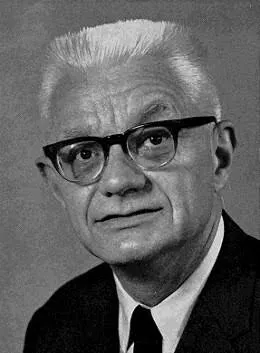
A philosophical essay on Rudolf Carnap (1891–1970)
There is a peculiar confidence in the belief that the world can be understood. It is not merely the confidence that nature obeys laws, nor that experience yields regularities from which predictions may be drawn. It is the more ambitious conviction that the conditions of understanding themselves might be made explicit: that beneath the diversity of our descriptions lies an order of concepts, relations, and logical forms through which knowledge becomes possible.
For centuries, philosophy had sought the foundations of certainty in the nature of things, in the structures of consciousness, or in the necessary operations of reason. The ancient philosophers asked what it meant for something to be. Descartes sought an indubitable beginning in the thinking subject. Kant examined the conditions under which experience could become an object of knowledge. Hegel traced the movement of thought through the historical development of consciousness.
By the beginning of the twentieth century, however, a different possibility had emerged. Perhaps the task of philosophy was not to discover another foundation beneath the world, but to examine…